










The majority of business drivers have expressed their concerns about the upcoming car tax changes launching in April, as Chancellor Rachel Reeves prepares to hike costs.
New data has found that 72 per cent of business drivers are worried about the package of car tax changes launching in April, which will make petrol and diesel vehicles more expensive.
Concerningly, one in 10 admitted that they were unaware of any tax changes taking place in April, potentially leaving them exposed to being hit with huge fees without knowing.
Businesses across the country will need to prepare for new changes that will make it more expensive to run petrol and diesel cars.
TRENDING
Stories
Videos
Your Say
Experts have noted that companies will need tp reassess the total cost of ownership, especially against rising Vehicle Excise Duty (VED) rates and inflationary pressures.
Data from Venson found that 13 per cent of motorists intend to opt for a lower-tax petrol or diesel vehicle, or an electric car, as their next company car renewal.
Almost a third of drivers added that they will pay closer attention to emissions and list price when selecting their next vehicle.
From April 1, 2026, the standard rate of Vehicle Excise Duty will rise in line with the Retail Price Index from £195 to £200.

The majority of business drivers have admitted their concerns about the Chancellor's upcoming car tax hikes
|GETT/PA
Drivers will also face expensive first year rates, which could set drivers back £5,690 if they opt for the most polluting petrol and diesel models on the market.
Additional changes will be taking place to the Expensive Car Supplement, although it could help many businesses save thousands of pounds over the next five years.
The Chancellor confirmed that the ECS threshold would rise to £50,000 for zero emission vehicles only, which will be in effect from April 1, 2026.
Petrol and diesel vehicles will still adhere to previous ECS rules with a threshold of £40,000, which will require a charge of around £425 for the first five years from the start of the second year of registration.
LATEST DEVELOPMENTS
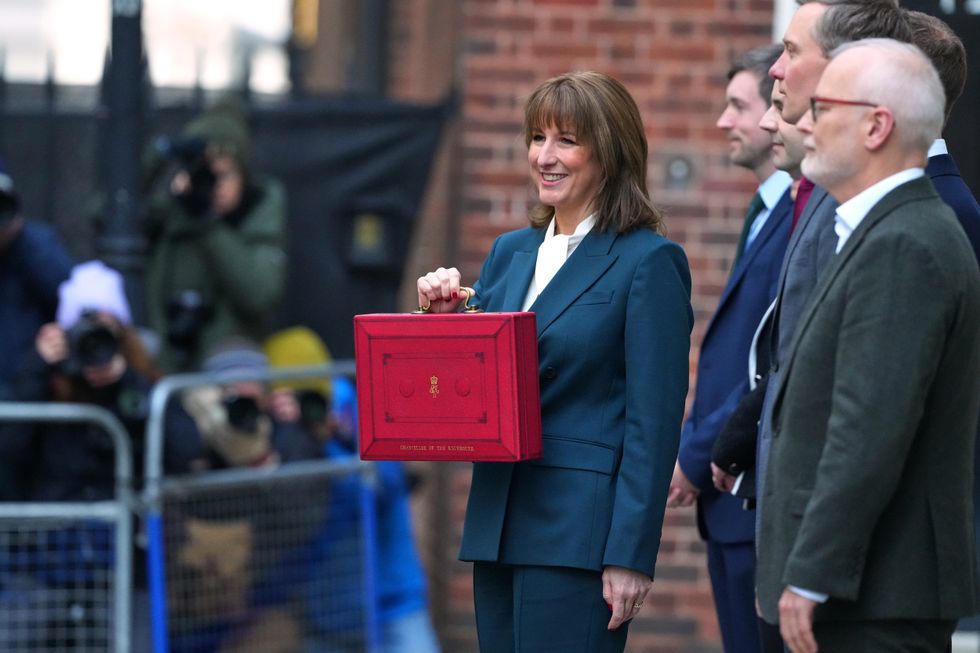
Chancellor Rachel Reeves introduced a number of car tax changes in the Autumn Budget last year
|PA
Simon Staton, client management director at Venson Automotive Solutions, said: "With April's package of motoring changes approaching, overlapping adjustments risk creating confusion, particularly for business drivers.
"BiK amendments, the expiry of EV incentives and inflation-linked VED increases all add complexity when trying to determine the most cost-effective company car option.
"It is no surprise that many drivers are turning to fleet professionals for guidance."
The Chancellor's 2024 Budget stated that the Government would bring employee car ownership schemes (ECOS) into the scope of Benefit-in-Kind rules from April 6, 2026.

The Expensive Car Supplement applies to vehicles with a list price of more than £40,000, or £50,000 for zero emission vehicles
| PAHowever, the Government is now giving drivers and businesses more time to react to the changes, with implementation being delayed until April 6, 2030, and transitional arrangements until April 2032.
Ms Reeves also announced a temporary Benefit-in-Kind tax easement for plug-in hybrid vehicles to prevent thier tax charge from increasing significantly due to new emissions standards.
The Labour MP for Leeds West and Pudsey will deliver the Government's Spring Statement tomorrow (Tuesday, March 3).
While there are not expected to be any major tax announcements, the Chancellor could shed some light on the proposed changes launching in the new financial year.