







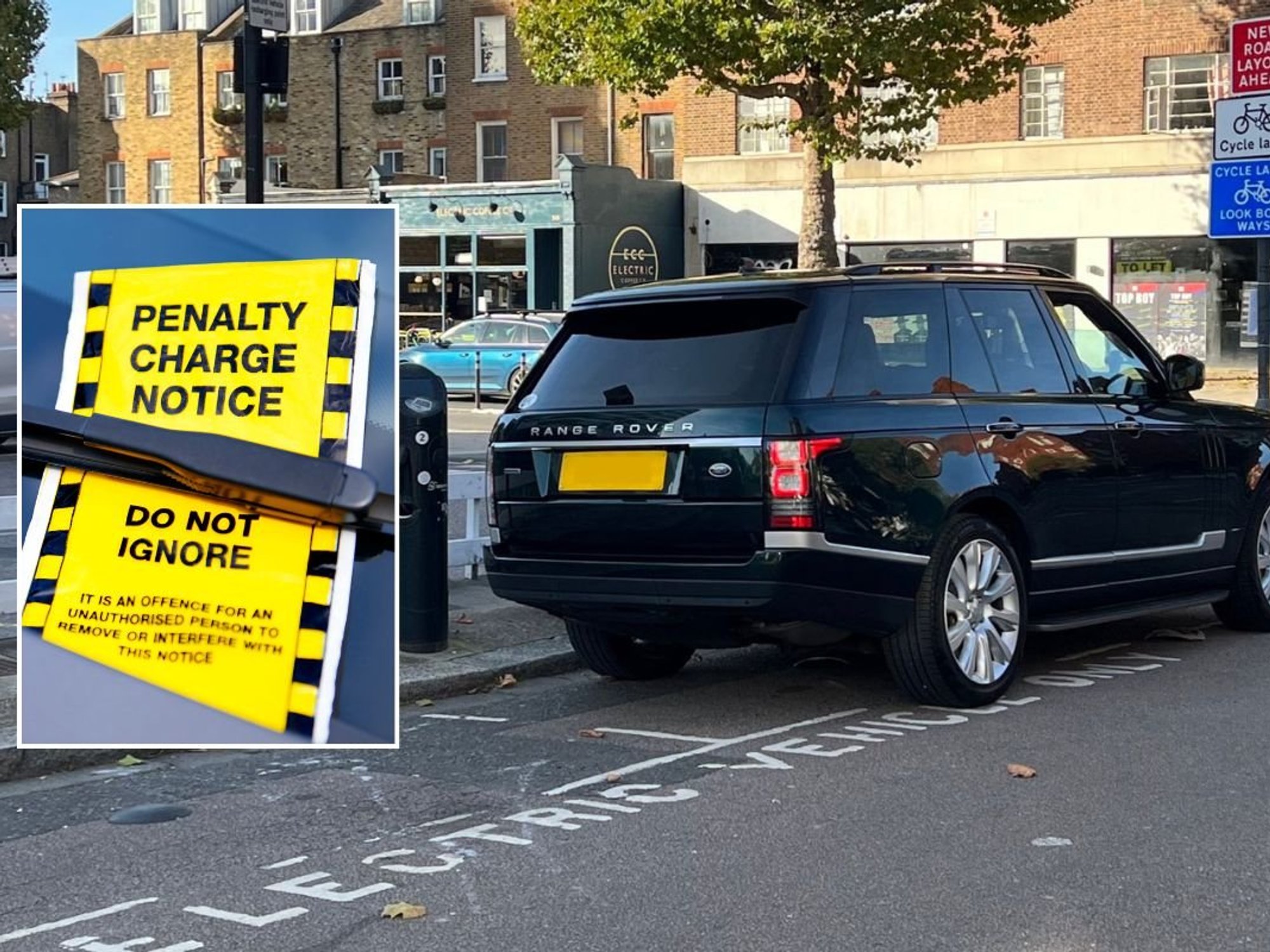


The national uptake of electric vehicles has grown massively in recent years, with drivers in rural areas transitioning away from petrol and diesel vehicles.
New research has found that adoption in England is now "broad-based" across almost all deprivation levels, showing that drivers are rarely being held back by high prices.
The transition has moved beyond affluent early adopters and towards a national spread of uptake from motorists who want to switch to an electric car.
The data compares the percentage of electric cars on the road with levels of deprivation, which is measured through the Index of Multiple Deprivation.
TRENDING
Stories
Videos
Your Say
Earlier in the decade, the least deprived areas had the highest concentration of electric vehicles, with richer households being able to buy and lease EVs more easily than others.
Between 2021 and 2022, the uptake of electric vehicles was "heavily concentrated" in the least deprived half of the country, according to char.gy.
Despite this, new research demonstrates that only the 10 per cent most deprived areas of England are showing slower progress of electric vehicle uptake.
The analysis noted that these areas can face some of the highest levels of poverty, social challenges and ill health in the country, impacting the ability of these groups to buy an EV.
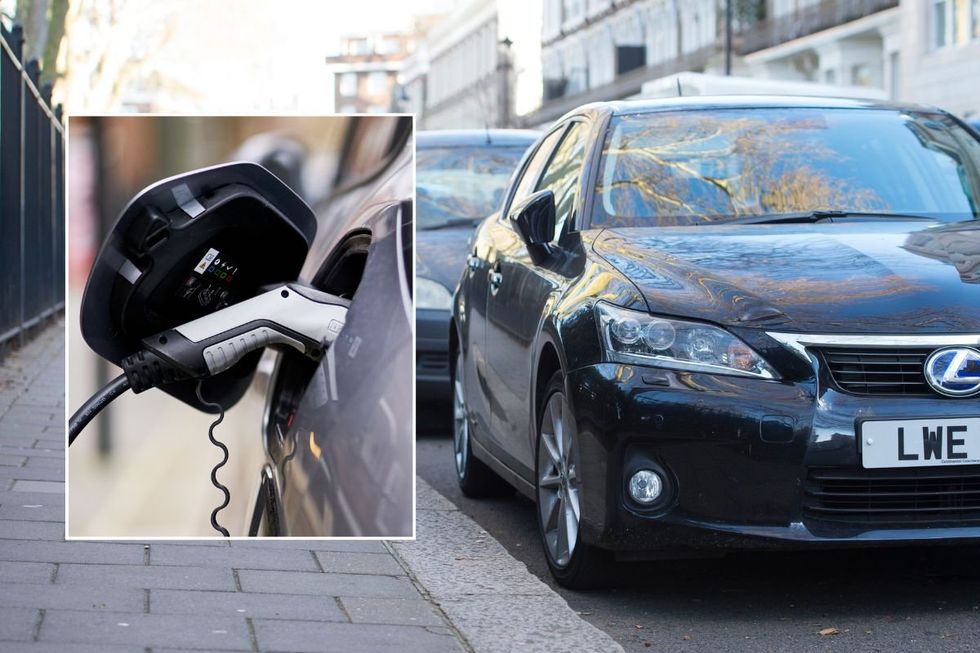
Adoption of electric vehicles has grown dramatically across the UK, even beyond wealthy areas
|GETTY
John Lewis, CEO of char.gy, said: "EV adoption started in wealthier areas, but what’s encouraging is how that's changing.
"While growth in 2021-22 was largely confined to more affluent communities, [but] by 2025, uptake has become much broader. That shows the transition is moving beyond early adopters.
"The focus now must be on ensuring those most disadvantaged communities aren't left behind by expanding reliable, affordable on-street charging where it's needed most."
The research identified the crucial role that on-street charging plays in helping drivers have confidence in electric vehicles, even if they don't have a driveway.
LATEST DEVELOPMENTS
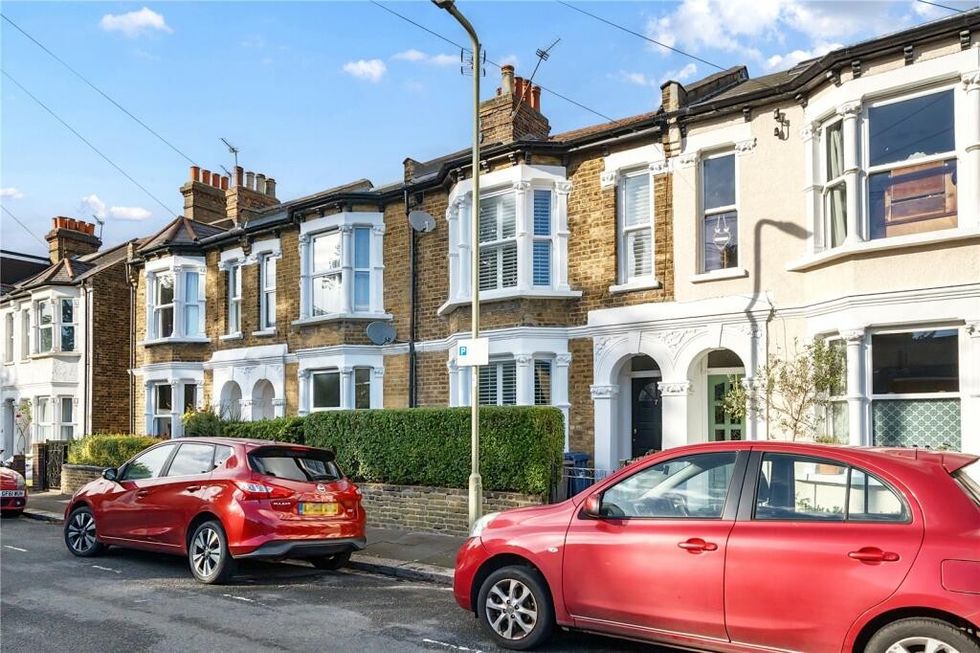
On-street charging options, including lamppost chargers, are crucial for the uptake of EVs
| CHAR.GYAccording to data from Zapmap, there are more than 116,000 chargers across the country, in addition to more than one million chargers installed at homes and workplaces.
Popular chargepoint operators, including char.gy, have thousands of chargers installed up and down the country to meet existing demand and encourage others to ditch their petrol and diesel cars.
Ben Nelmes, CEO of New AutoMotive, praised the new data, saying that drivers were becoming increasingly more interested in electric vehicles.
"The data is clear that motorists the length and breadth of the country are now going electric as the second-hand market booms and more affordable models become available in the new market," he added.
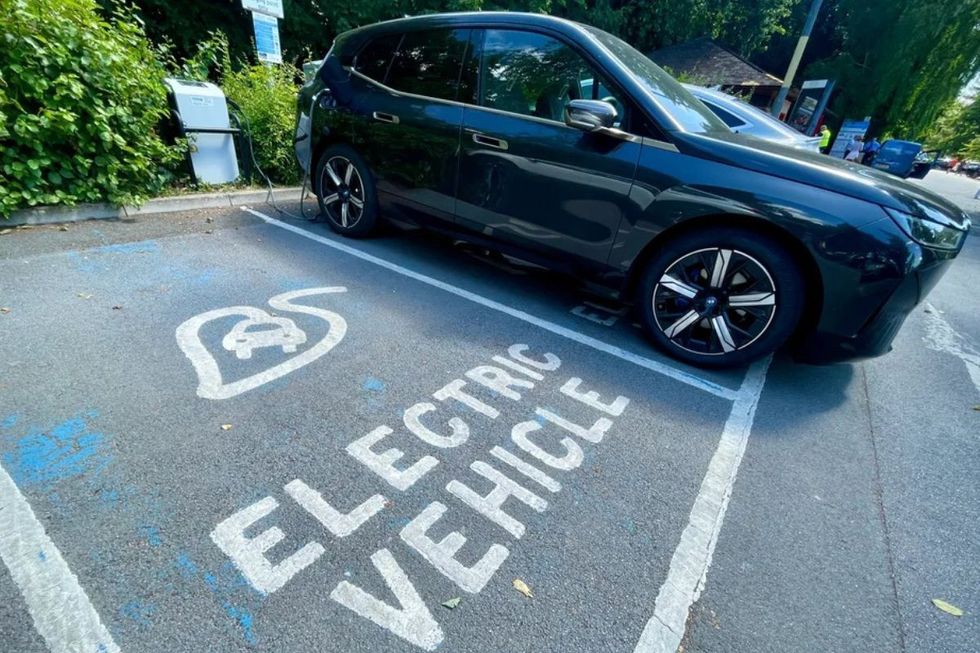
There are almost 117,000 public chargers around the UK, in addition to more than one million at homes and workplaces
| GETTYThe char.gy report stated that on-street charging was becoming more critical in helping EV adoption become more equitable, especially in lower-income urban areas.
It said that "continued targeted investment" would help expand the spread of EV chargers and ensure that the final stages of the transition are "fair and inclusive".
This was echoed by Tanya Sinclair, CEO of Electric Vehicles UK, who noted that there are already two million plug-in vehicles on the road.
She emphasised that it was crucial for these drivers to have "accessible, reliable, and available" chargers wherever they need them.