










Pay-per-mile car taxes launching within years could cost fleets a staggering £260million every year once they are introduced, ministers have been warned.
New analysis from the British Vehicle Rental and Leasing Association (BVRLA) shows that fleets will have to fork out £75million in direct administration.
They will lose out on a further £185million from lost productivity, as electric vehicles will be taken off the road mileage checks.
The BVRLA warned that this equates to around 10 per cent of total revenues raised, with experts warning that further pain could be felt unless changes to the proposed policy are made.
TRENDING
Stories
Videos
Your Say
Chancellor Rachel Reeves confirmed the new rules in the Autumn Budget last year, with the Electric Vehicle Excise Duty (eVED) rules set to be introduced from 2028.
It will see electric car owners charged three pence per mile, while hybrids will have to pay 1.5p to account for the wear-and-tear done to roads by fuel-free vehicles.
The £260million identified by the BVRLA equates to around 10 per cent of total revenues raised, as members fear the actual totals could be much higher.
Some fleet operators warned that the true cost could reach between 40p and 45p per £1 collected once operational costs are included.
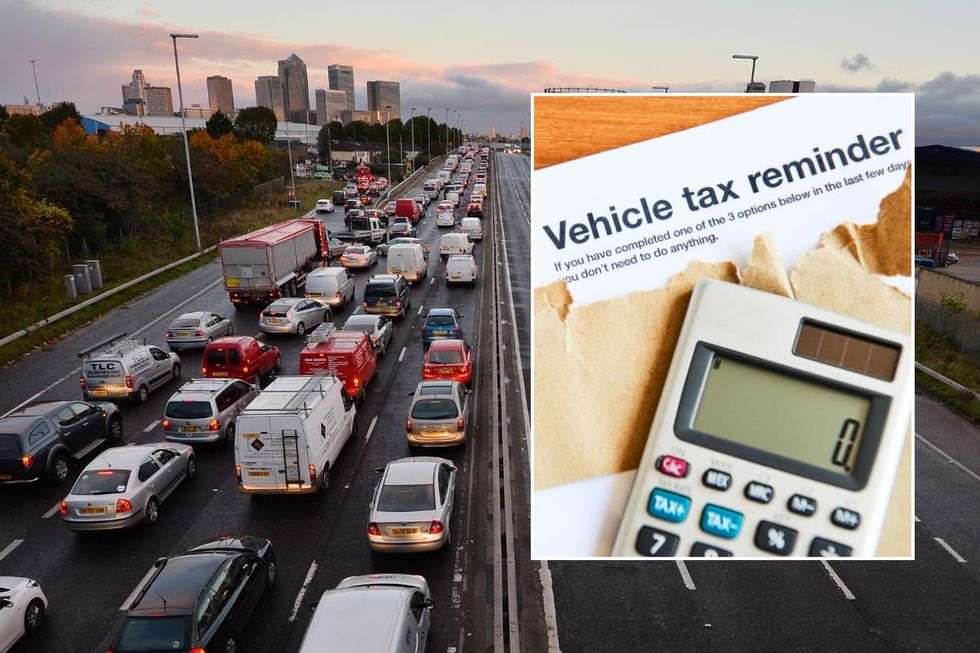
Experts have warned that pay-per-mile car taxes could cost businesses hundreds of millions of pounds every year
|GETTY
This total also fails to take into account one-off implementation costs, the cost of mileage readings and the tax itself.
Businesses operating high-mileage electric vehicles could be massively impacted by the tax, especially amid fears that the rate could be increased in the years after it is introduced.
Speaking to the Transport Committee about "supercharging the EV transition", Toby Poston, chief executive of the BVRLA, said the policy was "extremely hostile" to businesses that operate fleets.
He told MPs that leased vehicles may make accurate mileage collection difficult, while annual verification would create huge vehicle downtime, especially for larger fleets that operate many vehicles.
LATEST DEVELOPMENTS
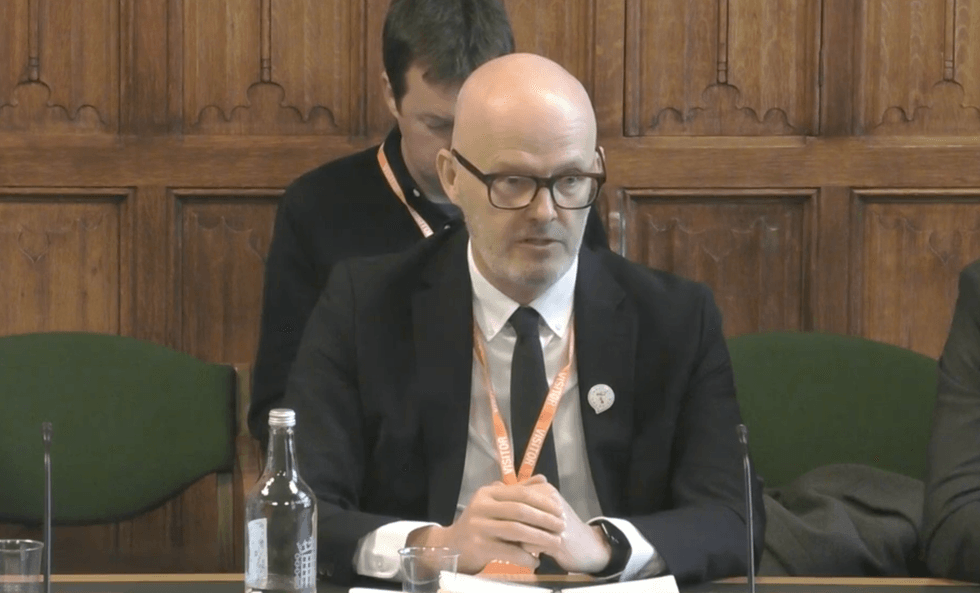
Toby Poston, chief executive of the BVRLA, warned ministers that businesses could face a £260million cost every year once pay-per-mile taxes are introduced
|PARLIAMENT TV
He said: "This is not a marginal cost. It is a significant operational burden that ultimately feeds through to businesses and consumers who rely on these vehicles every day.
"It is an inefficient policy that adds unnecessary friction into a sector that is already investing heavily in decarbonisation."
Feedback from the industry states that the Government could risk penalising companies with older vehicles, who were early adopters of EV technology.
It also warned that it conflicts directly with the Government's aims to accelerate uptake of clean vehicles, especially with additional funding for the Electric Car Grant and Depot Charging Scheme.

Fiona Howarth, Founder and Director of Octopus Electric Vehicles, described pay-per-mile as 'the wrong tax at the wrong time'
| OCTOPUS ELECTRIC VEHICLESThe BVRLA is now calling on Labour to work with the industry to design a road pricing scheme that is backed by technology and aligns with the day-to-day activities of a fleet.
Fiona Howarth, founder and director of Octopus Electric Vehicles, described the pay-per-mile rules as "the wrong tax at the wrong time".
She said: "By 2028, this is set to cost fleet operators around £250million a year - money that ultimately comes from drivers, businesses, and households who rely on these vehicles every day.
"With huge uncertainty over oil prices and supply, we should be accelerating the transition to electric. A pay-per-mile approach risks doing the opposite. It adds complexity and cost just as drivers are starting to see EVs as the simpler, better option."