









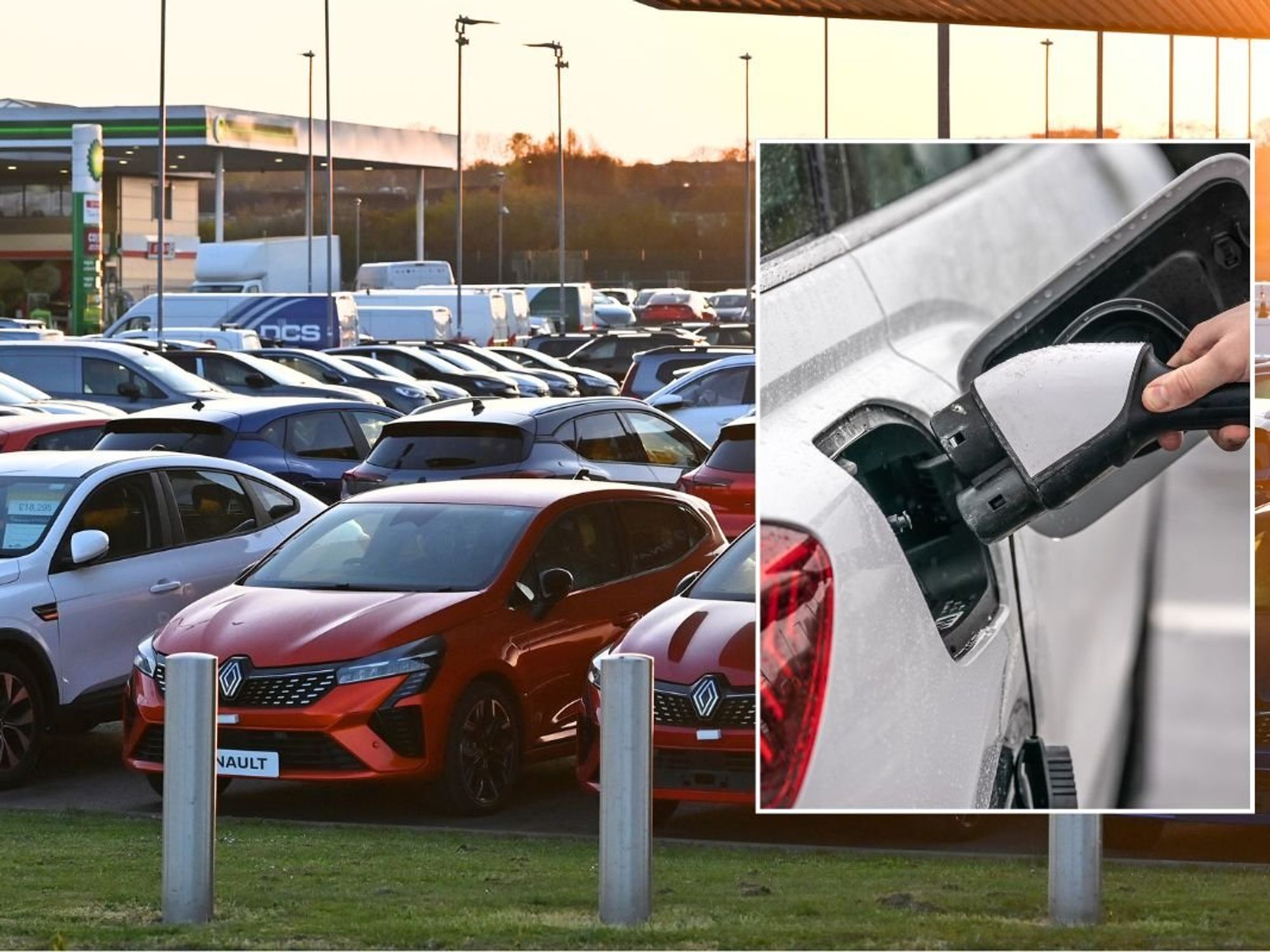
British drivers are massively overestimating the cost of electric cars, according to new data, as millions prepare to ditch petrol and diesel vehicles in the coming years.
Fresh research shows that most motorists believe electric cars are around £5,000 more than they actually are.
Drivers think the cheapest electric car is around £20,000, whereas some of the cheapest EVs on the market can cost less than £15,000.
Experts have warned that the misconceptions about electric vehicles are causing drivers to be put off from investing in cleaner forms of transport.
TRENDING
Stories
Videos
Your Say
The sale of new petrol and diesel cars will be banned by the end of the decade, while only zero emission vehicles will be available to purchase from 2035.
Labour has also helped the uptake of EVs with the recently launched Electric Car Grant, which can see drivers save up to £3,750 off the price of a new vehicle with a price point of £37,000 or less.
More than 40 models are available through the grant scheme from some of the most popular brands, including Ford, Nissan, Mini and Volkswagen.
The research indicates that the vast majority of drivers (85 per cent) have outdated views of electric vehicles, potentially putting the net zero switch at risk.
READ MORE: Millions of drivers could save £3,750 on new electric cars as Labour expands EV Grant - full list
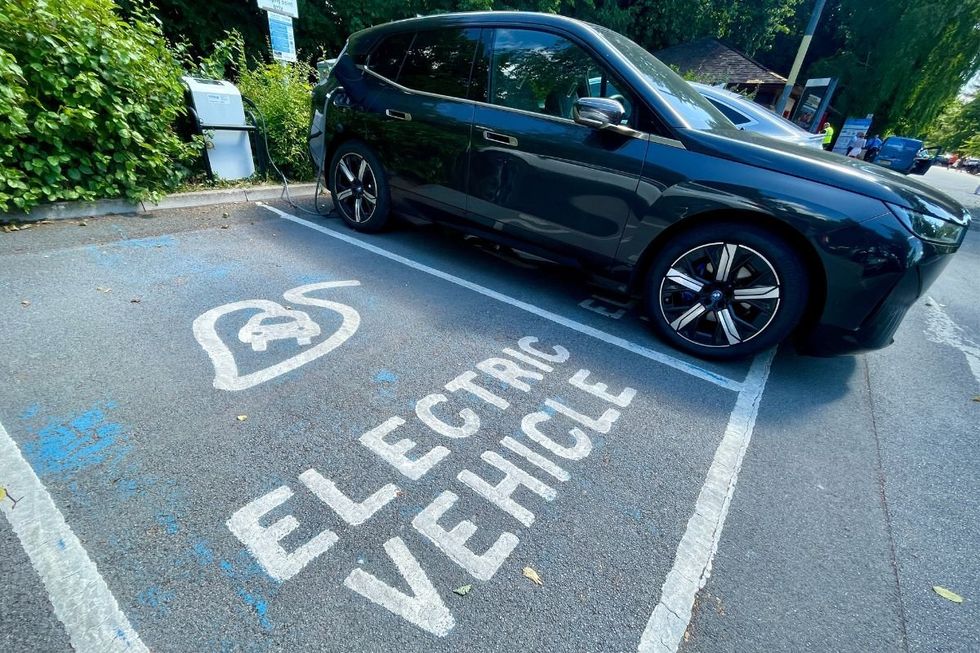
Millions of British drivers are overestimating how much an electric car costs
|GETTY
Separate data from Autotrader reveals that the average purchase price of an electric car has fallen by a significant 24 per cent between September 2023 and July 2025.
Nick Williams, managing director of transport at Lloyds Banking Group, said: "There's a stubborn myth that electric cars are out of reach for ordinary families, but in many cases that’s just not true.
"Entry-level battery electric vehicles are already on the market for under £15,000 - cheaper than many petrol models, especially when you consider the lower running costs for electric vehicles too.
"It is vital that we tackle these myths to ensure drivers understand the benefits of EVs and consider making the switch, reducing emissions and helping the UK to meet its net zero targets."
LATEST DEVELOPMENTS
The Plugging Into the Future report also found that drivers don't know how much it costs on average to charge an electric car at home overnight.
People surveyed by Lloyds Banking Group believed that the average cost of charging an EV was around £30, even though it costs around £12.
This can be made even cheaper if a driver makes use of an EV-friendly tariff. These tariffs can charge the vehicle at off-peak hours, making the process even cheaper.
Similarly, drivers massively underestimate the average battery lifespan, believing it to last just eight years, when in reality, they survive for around 18 years.

The Ford Puma Gen-E is one of eight vehicles eligible for the maximum £3,750 Electric Car Grant incentive
| FORDThis belief could be a result of manufacturers offering battery warranties for new vehicles for eight years or 100,000 miles.
Another misconception held by British drivers is that only seven in 10 motorway service stations have electric vehicle chargers, making longer journeys more difficult.
In reality, 97 per cent of motorway service stations have EV chargers, in addition to more than 87,000 public charging devices across the UK.
"This research serves to highlight how important building public awareness of the benefits of going electric is – especially as we wait to see the impacts on EV adoption following the Autumn Budget," Mr Williams concluded.