








New Blue Badge rules could come into effect next year, potentially ending years of frustration for vulnerable Britons who have been left out of parking benefits.
Ministers have confirmed that official guidance on how councils issue Blue Badges is being reviewed, which could lead to temporary permits for people with short-term but severe mobility problems.
It comes after campaigners warned that under the current rules, several vulnerable users may be left out if they are unable to prove their disability.
Under the current framework, thousands of people undergoing chemotherapy, dialysis, amputations or intensive treatment were found to be routinely refused parking benefits due to officials' inability to predict how long their illness will last.
The changes, expected to be rolled out next year, follow mounting political pressure and a growing public backlash against what critics describe as a "tick-box" approach that ignores medical reality.
The issue has also been backed by cross-party unity, with Conservative, Labour and Liberal Democrat MPs backing calls for reform after hearing cases of constituents being turned away.
In one case, a driver saw her Blue Badge application rejected despite a cancer diagnosis, a toe amputation, and blood clots in her lungs.
Meanwhile, a pensioner with leukaemia, a tumour and heart problems, was also refused initially, despite relying on a stairlift and mobility scooter. He only secured a Blue Badge on appeal, even though his condition had not changed.
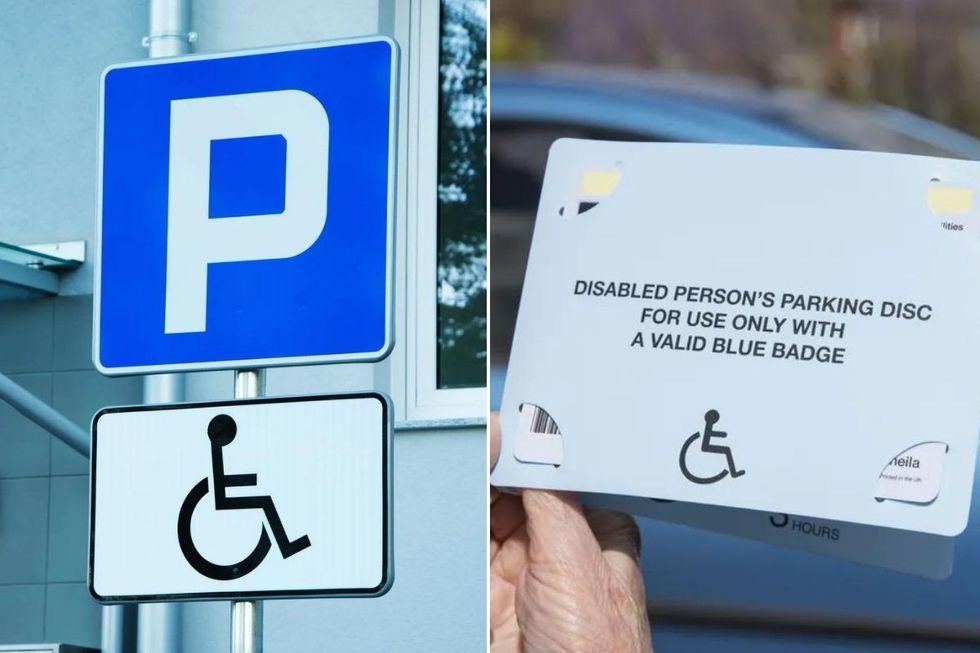
A petition calling for an overhaul of the Blue Badge scheme has received thousands of signatures
| GETTYOthers affected include dialysis patients awaiting transplants, with some having to attend the hospital multiple times a week, but are unable to access better parking options.
Some applicants qualify automatically through benefits or permanent disabilities, while others must undergo further assessment, but only if their condition is judged "enduring and substantial" for at least three years.
Campaigners argue the rule is fundamentally flawed, forcing people to "prove long-term suffering" while struggling to cope day to day.
The issue was also debated in Parliament earlier this year, with the Department for Transport agreeing to update advice to local authorities on how to support residents with fluctuating or short-term mobility conditions.
LATEST DEVELOPMENTS
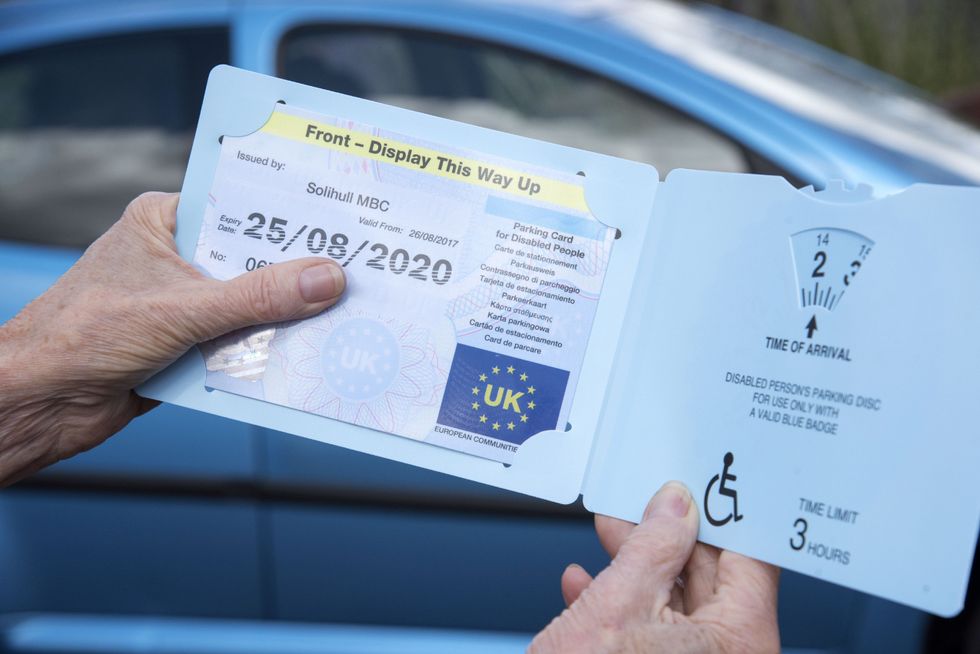 More than 2.8 million drivers across the UK possess a Blue Badge | GETTY
 Transport Minister Lilian Greenwood said at the time: "There is guidance for local councils on best practice, and I know that local authority Blue Badge officers come together to talk about their experiences of administering the system and to share notes and best practice.
"I met a number of them when they last got together in Runcorn, which is where the Blue Badges are issued.
"I will ask my officials to review and update our existing advice note to provide clearer, more practical guidance on how local authorities can use those existing powers to support residents facing temporary or fluctuating mobility challenges."
However, Ms Greenwood noted that the review would not change the core eligibility criteria for the Blue Badge, but in the short term, could help councils better understand "the tools at their disposal".
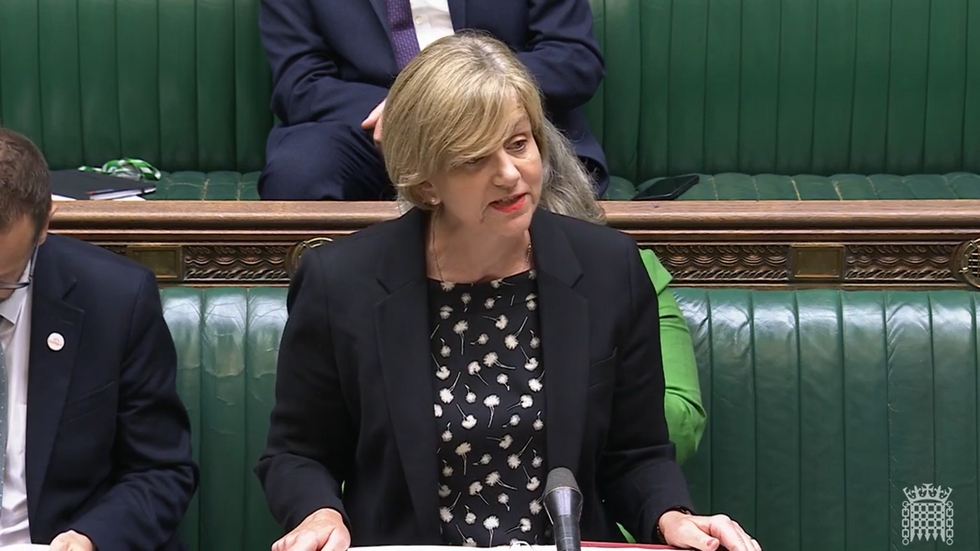
Future of Roads Minister Lilian Greenwood said Blue Badge rules could be reviewed
| PARLIAMENT TVHowever, resistance remains at local levels, with some councils arguing that expanding eligibility would place pressure on limited parking spaces, increase costs and raise the risk of fraud.
Kent County Council, for example, has ruled out introducing a discretionary scheme, citing administrative strain and limited resources, despite Medway Council and all 18 Kent MPs backing reform.
Campaigners rejected arguments, pointing to North Lincolnshire's "Green Badge" scheme as proof that temporary permits can be introduced without undermining the system.
They also argued the £10 Blue Badge fee already fails to cover administration costs and that denying support to seriously ill people on financial grounds would be "morally indefensible".