










Patients using Wegovy face a risk of sudden vision loss nearly five times greater than those prescribed Ozempic, new research published in the British Journal of Ophthalmology has revealed.
The large-scale investigation, conducted by Canadian researchers, examined adverse event reports submitted to the US Food and Drug Administration between December 2017 and December 2024.
Both medications contain the active ingredient semaglutide, manufactured by Novo Nordisk, yet the study identified a striking disparity in their association with non-arteritic anterior ischemic optic neuropathy.
Male patients demonstrated a threefold elevated risk compared to women, according to the findings.
TRENDING
Stories
Videos
Your Say

Both Wegovy and Ozempic contain the active ingredient semaglutide
|GETTY
Dr Edward Margolin, from the University of Toronto's ophthalmology department and a study author, stated that this condition was likely to be "a real side-effect" of semaglutide.
The condition, commonly referred to as an "eye stroke," occurs when blood flow to the optic nerve becomes restricted, typically resulting in sudden and permanent vision loss.
While the risk remains rare, affecting approximately one in 10,000 semaglutide users, the study identified what researchers described as "a potential dose-dependent safety concern".
Wegovy is administered at doses up to 2.4mg weekly for obesity treatment, compared with Ozempic's maximum 2mg weekly dose for type 2 diabetes management.
The researchers suggested that Wegovy's higher dosage and the faster-acting nature of injections could account for the stronger association with vision problems.
Notably, the oral tablet form Rybelsus showed no detectable link to the condition, which the authors attributed to its slower absorption rate and limited uptake.
LATEST DEVELOPMENTS:
The UK Medicines and Healthcare products Regulatory Agency issued a drug safety update last month, alerting healthcare professionals and patients to the risk of this optic nerve condition.
The warning followed similar guidance from European medicines regulators.
Dr Alison Cave, the MHRA's chief safety officer, said: "The risk of Naion in patients prescribed semaglutide is extremely low.
"However, as with all medicines, patients and prescribers need to be aware of the symptoms of potential side-effects, even if the risk is very small, to ensure patients receive the appropriate treatment promptly should they occur."
The regulatory intervention underscores the importance of vigilance among both clinicians and those taking these increasingly popular weight-loss and diabetes medications.
Samantha Mann, a consultant ophthalmologist and diabetic eye screening lead at the Royal College of Ophthalmologists, said: "This study relied on reported side-effects and so cannot prove causation or determine how common this problem truly is.
"An increase in this form of optic nerve 'stroke' has, however, not been widely observed in routine clinical practice at St Thomas' in London, where I work. Further studies are therefore needed to clarify if this increased risk is indeed real."
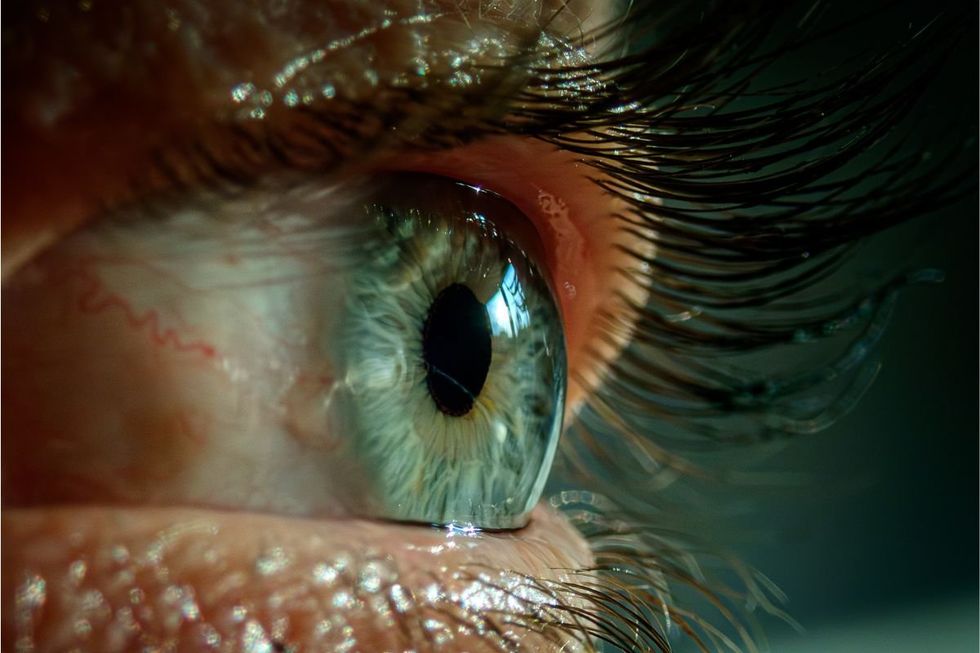
Eye stroke occurs when blood flow to the optic nerve becomes restricted
|GETTY
Novo Nordisk maintained that patient safety remained their foremost concern and that they work closely with regulatory authorities worldwide to monitor their products.
The pharmaceutical company has updated EU patient information leaflets for Wegovy, Ozempic and Rybelsus to include the condition.
However, Novo Nordisk stated they believe the overall evidence does not establish a causal link and that semaglutide's benefit-risk profile remains favourable.
Our Standards: The GB News Editorial Charter