










With one in two women facing the prospect of developing osteoporosis during their lifetime, it's becoming overwhelmingly clear that the condition deserves more attention than it currently gets.
The bone-weakening disease, which leaves bones fragile and easily broken, typically shows up in people aged 60 and over.
.
Nutrition expert Jess Baker, who holds a master's degree in nutritional science, has stressed that young people need to act now to avoid developing "weakening porous bones that break easily" as they age.
She shared in a recent TikTok clip: "I don't think you should be afraid of carbohydrates or sugar, but I do think you need to be worried about getting osteoporosis, because one in two women will get osteoporosis."
TRENDING
Stories
Videos
Your Say

The time you eat matters more than you might think for bone health
|GETTY
When it comes to protecting your bones, what time you eat matters more than you might think.
Medical physician Kezia Joy, who works with Welzo, told GB News that while meal timing is less crucial than factors like calcium intake, vitamin D, and resistance training, it still plays a role in how your body uses those nutrients.
She explained: "When skipping breakfast, your body's natural clock for bone repair is disrupted because of the way bones grow and break down in a cycle that follows your body's internal clocks."
Missing that morning meal keeps cortisol levels elevated for longer, and sustained high cortisol damages bone health over time.
Late-night eating brings its own problems, too, harming sleep quality and interfering with how well your body absorbs calcium into your bones.
Dr Joy recommends keeping meals regularly spaced throughout the day to give your bones the best chance at staying strong.
Your breakfast should pack in protein alongside calcium-rich foods to help your bones function properly and keep hormones balanced as the day goes on.
LATEST DEVELOPMENTS
"It is recommended you stop eating two to three hours prior to going to bed, which will support better sleep quality and allow your body to concentrate on repairing the damage done to your skeleton while you were awake," she advised.
Sticking to a consistent eating pattern helps maintain metabolic stability, which in turn allows bones to carry out their natural repair and rebuilding processes more efficiently.
Getting enough calcium is absolutely essential and Jess Baker has a simple rule to follow.
"An easy way to think about it is that you need to eat three servings of calcium-rich foods a day," she noted.
Dairy products are highly recommended, with just one cup of milk counting as a serving. Tofu and sardines are also packed with the mineral.
But there's a catch for those who make their own nut milks at home.
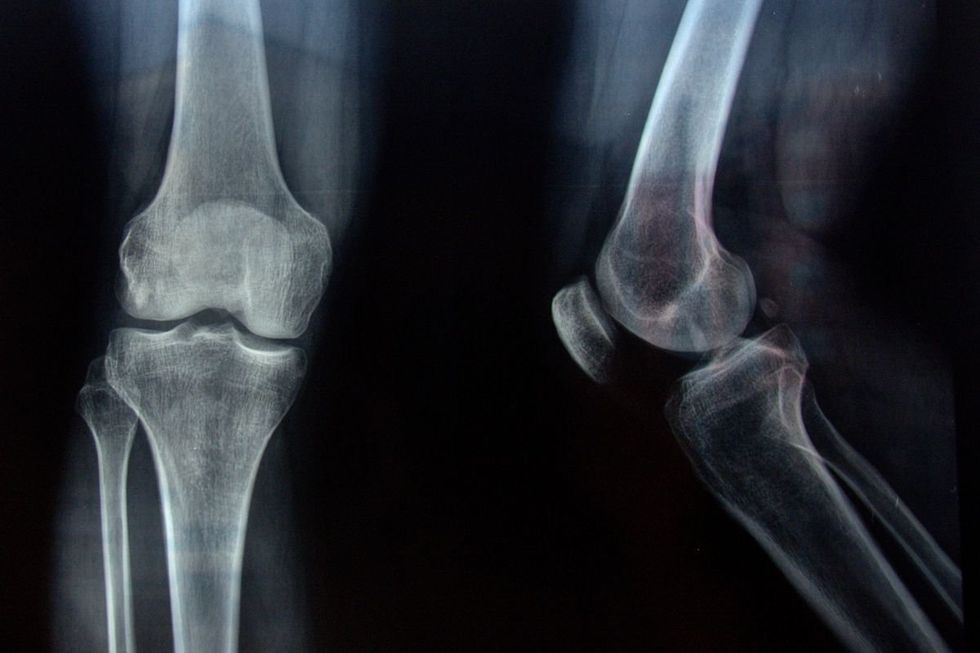
Sticking to a consistent eating pattern helps bones carry out their repair cycle
|GETTY
"If you're making nut milk at home, this could put you at risk for osteoporosis," Jess warned, explaining that shop-bought versions are fortified with calcium and vitamin D, while homemade ones lack these additions.
And don't count on your greens to save you, as Jess pointed out that broccoli and spinach aren't actually rich calcium sources, despite what many believe.
Our Standards: The GB News Editorial Charter