









Following a Mediterranean diet can substantially reduce the likelihood of suffering hip fractures and other bone breaks, according to a new analysis from the University of Chester.
The research team at the university's Medical School examined 30 separate studies encompassing more than half a million adults to assess how various popular eating regimens influence skeletal wellbeing.
Their findings, published in the journal Nutrients, demonstrate while different dietary approaches had minimal effect on bone mineral density, those adhering to Mediterranean eating patterns experienced notably fewer fractures.
Conversely, restricting calorie intake was linked to heightened indicators of bone deterioration.
 The Mediterranean diet naturally fights inflammation | GETTY
The investigation represents the first systematic review to collectively examine how Mediterranean, calorie-restricted, high-protein, low-carbohydrate and ketogenic eating patterns affect bone homeostasis across such a large participant pool.
Associate Professor Dr Ioannis Kanakis from Chester Medical School led the research alongside former lecturer Dr Ioanna Myrtziou.
"Musculoskeletal diseases represent a significant and growing public health concern worldwide, contributing to decreased mobility, disability, and reduced quality of life among ageing populations," Dr Kanakis said.
He noted conditions including osteoporosis, fragility fractures and falls frequently occur together, compounding health risks for patients.
The study outlines how the Mediterranean diet's protective qualities stem from its rich combination of nutrient-dense foods.
Dr Kanakis continued: "Plausible reasons for the findings on the Mediterranean diet include higher intakes of fruits, vegetables, whole grains, legumes, fish, and olive oil that collectively supply calcium, magnesium, vitamin K, potassium, polyphenols (natural compounds found in plants), and anti-inflammatory constituents supportive of bone remodelling and microarchitecture."
LATEST DEVELOPMENTS
The research underscored that nutrition influences skeletal health through multiple pathways extending beyond individual nutrients such as calcium, vitamin D and protein.
Rather, overall dietary patterns integrate a broad spectrum of bioactive compounds and macronutrient interactions that collectively determine musculoskeletal outcomes.
Diets that severely limit energy intake pose particular risks to skeletal integrity, the researchers found.
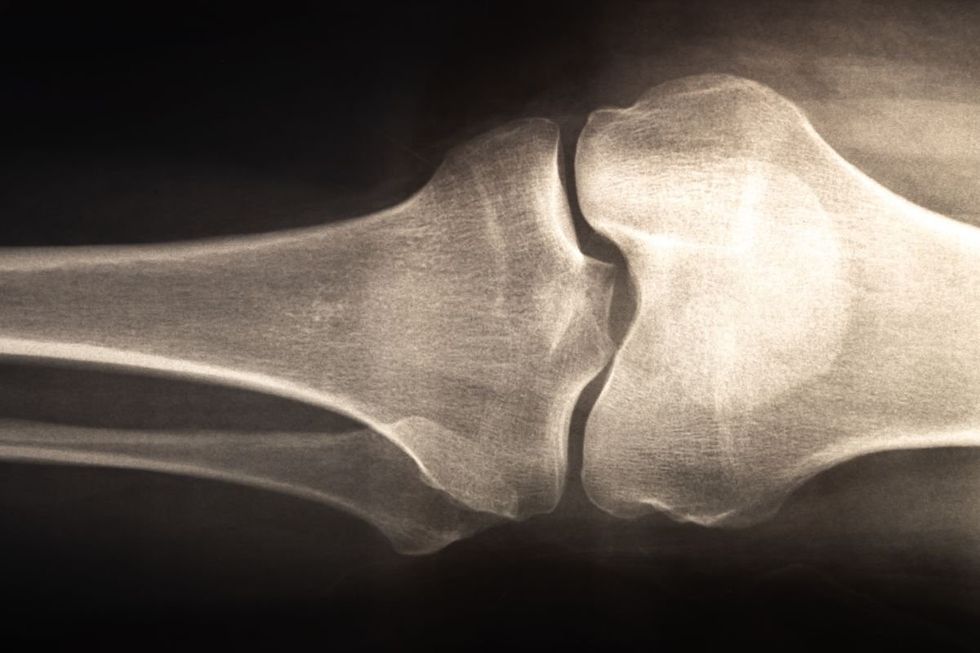
Musculoskeletal diseases represent a growing public health concern worldwide
|GETTY
Dr Kanakis explained: "Conversely, diets that heavily restrict energy, as in calorie restriction, or omit major food groups, can reduce mechanical loading via weight loss, alter drivers of bone remodelling and change calcium or vitamin D biological availability, thereby increasing resorption - the breakdown of bone tissue."
High-protein and low-carbohydrate approaches demonstrated mixed or neutral effects on bone health.
He concluded: "This work clarifies the complex relationship between nutrition and musculoskeletal health, reinforcing the Mediterranean diet as a practical dietary strategy to reduce fracture risk and informing guidelines for managing bone health during weight loss."
Our Standards: The GB News Editorial Charter