









A new study published in the Lancet Primary Care has found that an AI tool correctly identified 78 per cent of people with the common eye condition, compared to 75 per cent detected by medical professionals.
The Portuguese research team analysed eye images from 671 participants aged between 55 and 65.
The technology also cut down on unnecessary specialist appointments, with the AI referring just 66 people for further assessment, while eye doctors sent 118 patients – nearly double the number.
Of those referred, 40 were ultimately diagnosed with glaucoma.
TRENDING
Stories
Videos
Your Say
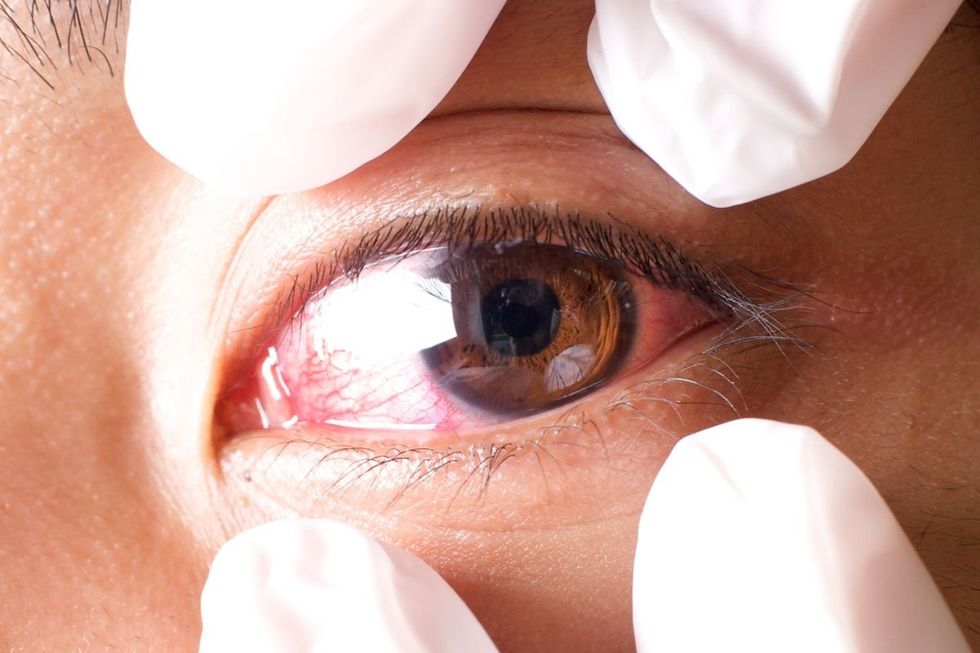
Britons are advised to get their eyes checked every two years
|GETTY
The technology also proved more accurate at ruling out the condition, correctly identifying 95 per cent of people without glaucoma versus 91 per cent by medics.
Registered optometrist and head of eye sciences and optometry at Optegra, Professor Clare O'Donnell, said: "Glaucoma is a group of eye diseases that damage the nerve at the back of the eye called the optic nerve, and this is important because this nerve is responsible for transmitting visual information from the eye to the brain."
The condition is most common in adults over 50 and can lead to vision loss without early diagnosis and treatment.
"The most common type of glaucoma is primary open-angle glaucoma, and that tends to develop really slowly, sometimes over a number of years, and initially affects your side vision and can often go undiagnosed for quite a long time if people aren't having routine eye examinations," says O'Donnell.
Other forms include angle-closure glaucoma, normal tension glaucoma and secondary glaucoma, which can be linked to other eye conditions, health issues or certain medications.
When it comes to who's at risk, age and family history play a major role.
"Glaucoma is thought to affect about three per cent of the population over the age of 40 in the UK," says O'Donnell, citing research led by UCL and Moorfields.
LATEST DEVELOPMENTS
Those with a close relative who has the condition – a parent or sibling – may qualify for government-funded eye examinations from age 40. The condition has earned a rather ominous nickname.
"Glaucoma is sometimes called the 'silent thief of sight' because it's often painless," O'Donnell highlighted.
"At first it usually starts to affect the side vision, the peripheral vision, so we often don't notice changes to [it] until the later stages of the disease when there has already been significant damage to the vision."
While most glaucoma develops gradually, angle-closure glaucoma is a different story entirely.
"Angle-closure glaucoma occurs when there is a sudden and dramatic increase in the pressure inside the eye and, with this particular type of glaucoma, patients can feel very unwell quite quickly," says O'Donnell.
"They might notice that their eye is red and painful, and in severe cases, it can lead to other symptoms, such as nausea and vomiting."
Fortunately, the main goal is to lower the pressure inside the eye that harms the optic nerve.
"In the past, eye drops were the main treatment offered to patients," O'Donnell explained. "However, nowadays, there are other treatments that can be used in combination with drops or as a standalone, such as laser therapy and surgery.
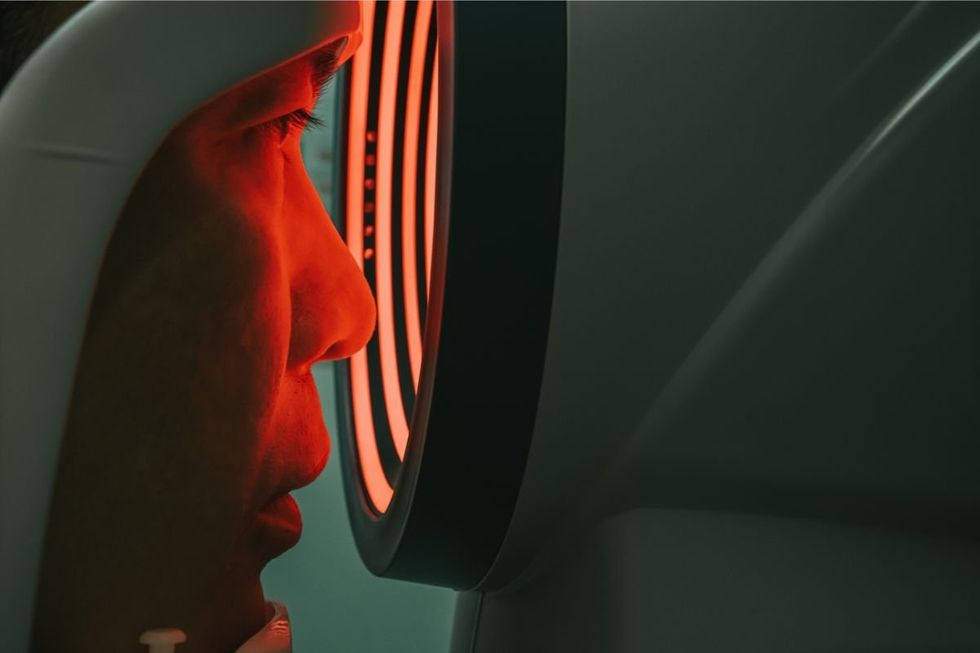
Glaucoma can lead to vision loss without early diagnosis and treatment
|GETTY
"So, the great news is there are very effective treatments available that are minimally invasive, and a clinician will weigh up your particular circumstances and design a treatment plan that is best tailored to you. The most effective treatments, like other things, are delivered early in the disease process."
This is why regular eye check-ups are so important.
"In order to detect things like glaucoma, we need to proactively get our eyes examined routinely, because one of the things that the optometrist or the optician will do is some screening tests for glaucoma," O'Donnell advised.
In the UK, the recommendation is to have your eyes tested at least every two years. Your optician will let you know during your appointment when you should return – and if there's any reason to come back sooner, they'll tell you.
Our Standards: The GB News Editorial Charter