









Analysis from the Royal College of Emergency Medicine reveals more than 1,300 patients are dying unnecessarily each month in England as a result of prolonged waits in accident and emergency departments, representing a tenfold surge compared with a decade ago.
Weekly deaths connected to extended A&E waiting times exceeded 300 throughout 2025 – a dramatic increase from approximately 30 per week in 2015.
The RCEM's calculations indicate 15,860 excess deaths occurred last year due to lengthy waits, a slight reduction from 16,644 in 2024 but nearly ten times higher than the 1,657 recorded in 2015.
The analysis draws on research examining over 5 million NHS patients, which established that one additional death occurred for every 72 patients waiting between eight and twelve hours for a hospital bed.

Overcrowding within emergency departments has deteriorated significantly
|GETTY
Dr Ian Higginson, president of the RCEM, questioned how many additional fatalities would be necessary before meaningful action was taken.
"We have to ask why this awful problem isn't the subject of relentless focus and political conversation. The number of deaths linked to long stays in our emergency departments explicitly shows the system is failing the patients it is meant to be caring for," he said.
"As an emergency doctor, it's heartbreaking that patients arrive at our emergency departments in their time of need, and we can't do our jobs properly because we are full," he said.
Dr Higginson expressed frustration at being offered "recycled ideas that haven't ever worked, performance data that doesn't reflect reality, and a focus on perceived 'quick fixes'".
Prof Nicola Ranger, general secretary and chief executive of the Royal College of Nursing, characterised the mounting death toll as a catastrophe that hospitals had allowed to persist unchecked for years.
LATEST DEVELOPMENTS
"To bring this to an end, we need system-wide, long-term, sustainable solutions," she said.
"This must include urgent investment in hospital beds and the nursing workforce, while also improving access to primary care, investing in community nursing and unlocking capacity in social care,
Prof Ranger warned each day without intervention resulted in "devastating consequences" for patients.
Dr Vicky Price, who leads the Society for Acute Medicine, condemned the deaths as a source of "national shame".
She noted overcrowding within emergency departments was deteriorating further.
The Department of Health and Social Care acknowledged lengthy emergency care waits were unacceptable and expressed sympathy for bereaved families.
A departmental spokesman pointed to improvements, noting A&E waiting times had reached their lowest point in five years.
However, officials recognised further progress was required.
The Government announced it was committing more than £215million towards 40 new and expanded same-day emergency care facilities and urgent treatment centres throughout England to ease pressure on A&E departments.
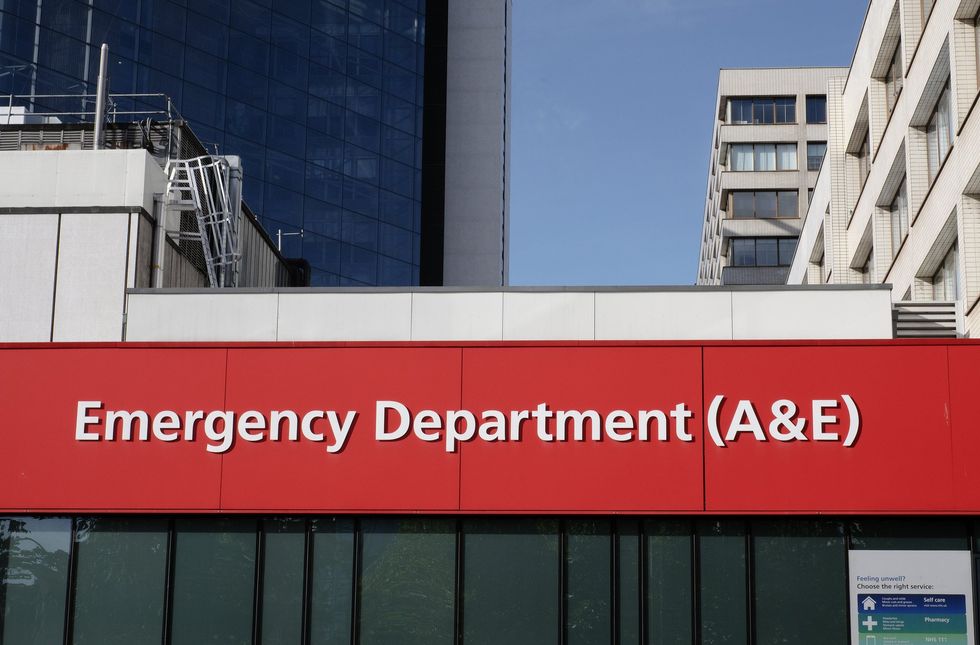
The Government announced plans to expand same-day emergency care facilities and urgent treatment centres throughout the country
|GETTY
Additionally, specialist teams were being sent to NHS trusts experiencing the most severe corridor care problems, with the aim of eliminating the practice entirely.
Despite welcoming the Government's pledge to end corridor care, Dr Higginson maintained prioritising patients facing lengthy admission waits remained essential to resolving the underlying crisis.
Our Standards: The GB News Editorial Charter