










Millions of people across Britain nibble away at their fingernails, whether out of stress, anxiety, or simply because they're bored.
But while most assume it's a harmless habit, dental experts are warning that it can actually lead to some serious long-term problems for your teeth and gums.
Dr Tony Taunk from Implant Perfection said: "Nail biting is an incredibly common habit, and many people do it without even realising.
"It may appear relatively harmless on the surface, but it can contribute to serious problems in the mouth and beyond."

Nail biting can crack the teeth over time
|GETTY
The constant pressure from chomping down on nails can actually crack your teeth and gradually wear away the protective enamel.
Dr Taunk explained: "Over time, it can cause cracks in the teeth and wear down the enamel, and it can lead to teeth misalignment and gaps due to the extra pressure."
But there's also a surprising connection between nail biting and teeth grinding, with many going on to develop a teeth-grinding habit that leads to jaw problems and headaches.
Dr Taunk warned: "Finally, the transfer of bacteria from the fingertips and fingernails to the mouth creates a very real infection risk from the bacteria, from gum disease to colds, stomach bugs or even salmonella."
LATEST DEVELOPMENTS
Why do we bite our nails?
Nail biting, known medically as onychophagia, is actually classified as an impulse control problem – a behavioural condition where resisting urges becomes difficult.
Stress is thought to be one of the biggest triggers, with many people doing it completely unconsciously. Fortunately, there are practical ways to kick the habit for good.
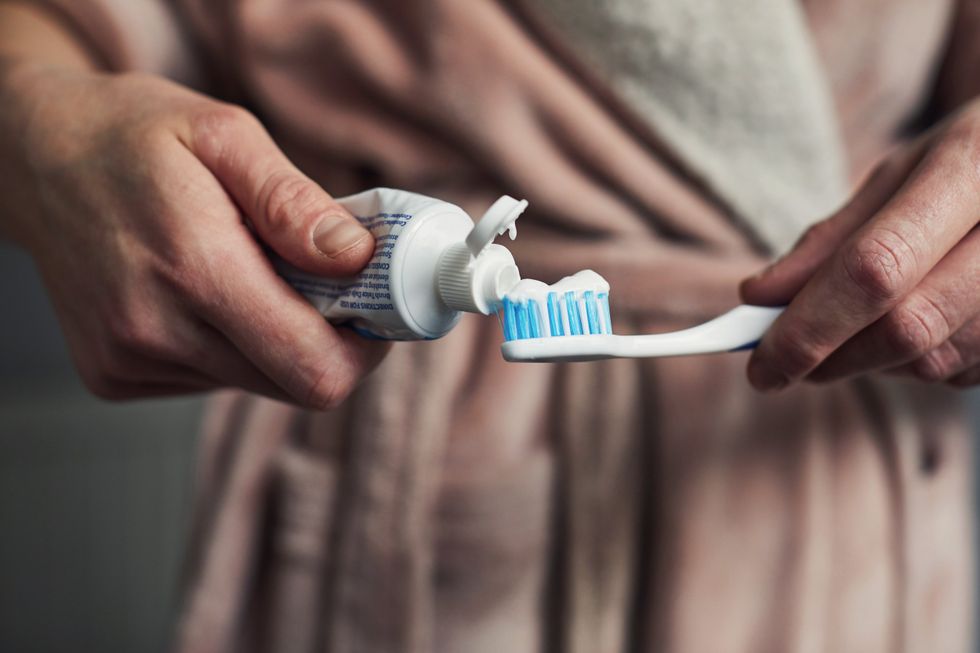
'Nail biting can cause cracks in the teeth and wear down the enamel'
|GETTY
Dr Taunk explained: "One of the easiest ways to stop biting your nails is to ensure they are kept well-trimmed to help reduce the temptation.
"Some people have had success in applying a bitter solution to the nails, which can make it deeply unpleasant to bite."
He also recommended working out what situations tend to trigger the urge, making it easier to avoid them.
For those who really struggle, Dr Taunk suggests seeking professional help: "In severe cases, you should speak to a professional about behavioural therapies to break the cycle once and for all."
Our Standards: The GB News Editorial Charter