






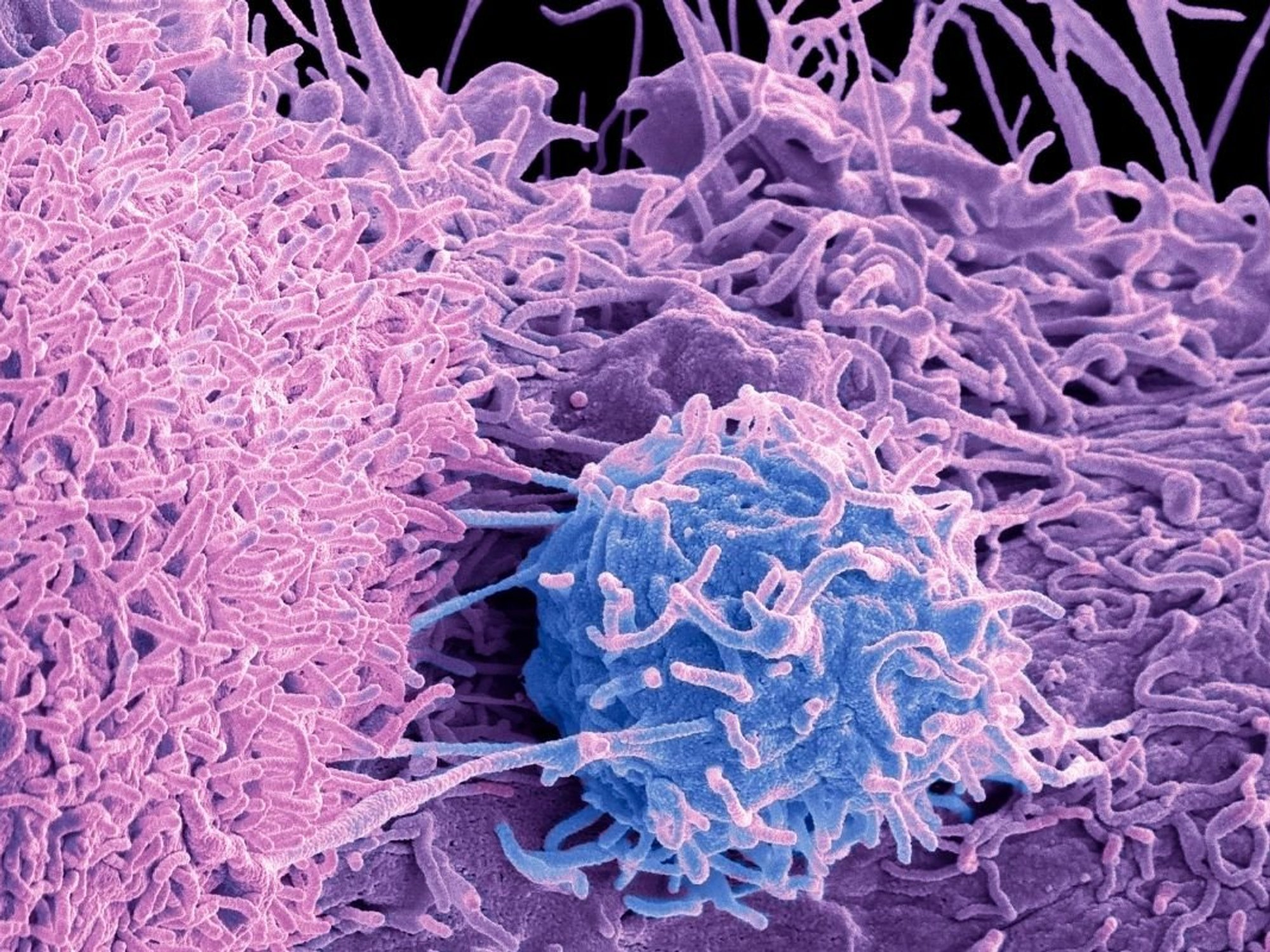


A genetic condition that dramatically raises heart attack and stroke risk is silently affecting millions of people across the globe, yet most have no idea they carry it, according to a new study.
Familial hypercholesterolemia impacts between one in 200 and 250 people worldwide, triggering dangerously elevated levels of LDL cholesterol - the harmful type that clogs arteries - right from birth.
But Mayo Clinic researchers in America have discovered that nine out of 10 people with this inherited condition don't know they have it.
The scientists examined genetic data from 84,000 individuals using advanced DNA analysis, identifying 419 people at risk of familial hypercholesterolemia, despite the vast majority being completely unaware of their condition.
TRENDING
Stories
Videos
Your Say

Subtle signs of high cholesterol may show up on the face
|GETTY
Even more concerning, one in five had already developed heart disease.
The condition often flies under the radar because cholesterol rarely announces itself with obvious symptoms. But Dr Blen Tesfu, a physician and medical advisor at Welzo, explains that when levels climb significantly, your body starts sending subtle distress signals.
"Cholesterol tends to produce few (if any) outward signs of itself," she told GB News. "However, in cases where the level increases substantially, decreased blood supply can create early indicators of potential problems."
These warning signs include chest tightness, breathlessness during gentle activities, and persistent fatigue - all resulting from arteries narrowing as plaque builds up inside them.
You might also notice leg cramps or discomfort when walking, which Dr Tesfu says could be one of the first physical clues that high cholesterol has started affecting your circulation.
Your family tree might also hold crucial clues about whether you're carrying this genetic condition. Dr Tesfu highlighted that when parents or siblings suffer heart attacks or strokes before turning 50, it's a major red flag that shouldn't be ignored.
LATEST DEVELOPMENTS
"The fact that you feel fine does not diminish the increased risk that exists because of the inherited disease pattern," she warns.
Another telling sign is needing cholesterol medication at a young age, especially if other relatives are also taking these drugs. This pattern often points to genetics rather than lifestyle choices.
What makes familial hypercholesterolemia particularly tricky is that it doesn't respond to typical healthy habits. Even with an excellent diet and regular exercise, LDL levels remain stubbornly high from childhood onwards.
Sometimes the condition reveals itself through visible changes that appear on your skin and eyes. Dr Tesfu points to xanthomas - small yellowish fatty deposits that develop on eyelids, elbows or tendons - as important warning signs that deserve immediate attention.
"Xanthomas are generally non-painful; however, they are medically relevant," she explains.
Another telltale sign is corneal arcus - a greyish or white ring that forms around the iris. While this can be harmless in older people, Dr Tesfu stresses it's particularly significant in anyone under 45.
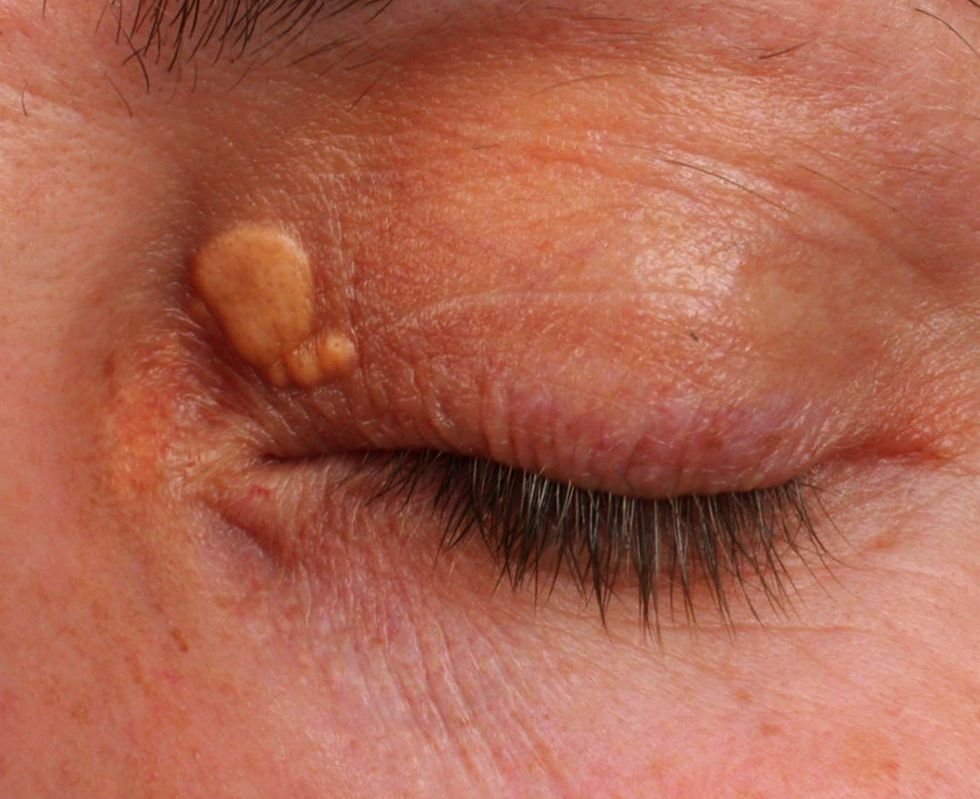
Xanthomas can signal high cholesterol levels
|GETTY
She also notes that poor circulation from cholesterol buildup can cause reduced stamina during exercise, mild leg swelling, and wounds that heal slowly.
These symptoms might seem unrelated to cholesterol, but Dr Tesfu advises they're worth investigating - especially before more serious complications arise.
Our Standards: The GB News Editorial Charter