










The UK Health Security Agency has issued a fresh warning concerning contaminated non-sterile alcohol-free wipes following a death linked to Burkholderia stabilis infection.
Since 2018, health authorities have confirmed 59 cases of this bacterial infection across the United Kingdom, with data current up to February 3 2026.
The outbreak has resulted in several serious infections among patients, culminating in one fatality directly attributed to the bacteria.
UKHSA's updated guidance comes as cases continue to be detected, prompting renewed calls for vigilance among both healthcare professionals and the general public.
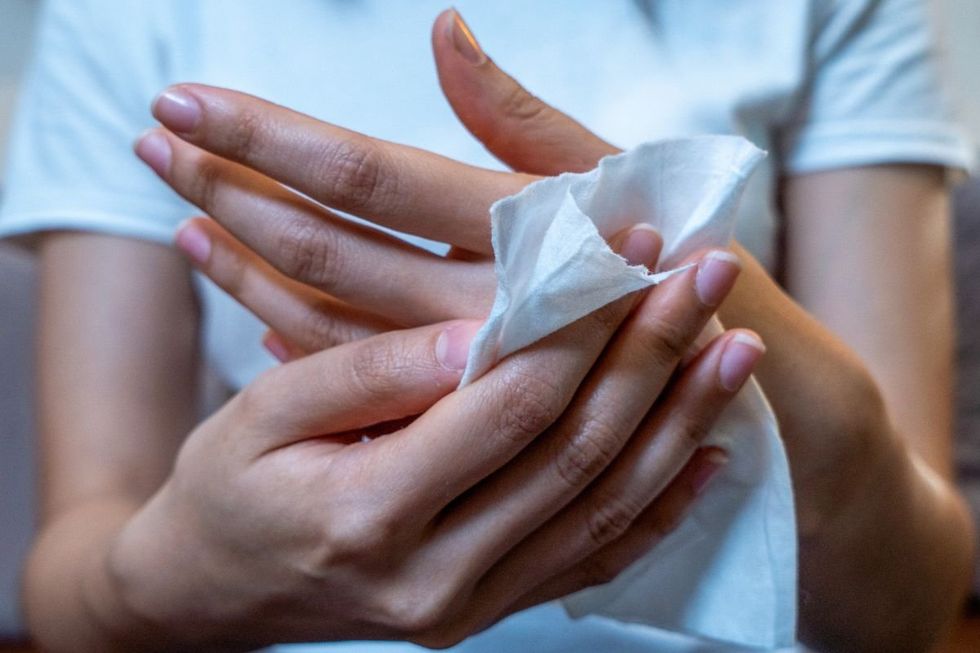
59 cases of Burkholderia stabilis infection have been confirmed across the United Kingdom since 2018
|GETTY
No transmission between individuals has been recorded during this outbreak, but four specific products have been identified as contaminated:
- ValueAid Alcohol Free Cleansing Wipes
- Microsafe Moist Wipe Alcohol Free
- Steroplast Sterowipe Alcohol Free Cleansing Wipes
- Reliwipe Alcohol Free Cleansing Wipes
The first three products tested positive for the outbreak strain, while Reliwipe was found to contain a different Burkholderia strain unconnected to the current cases.
All four items have been removed from sale across the country.
LATEST DEVELOPMENTS
However, authorities caution that the wipes may still be present in household first aid kits and storage cupboards.
The products were typically sold as individually wrapped sachets intended for skin cleansing and wound care.
Certain groups face heightened danger from this bacterial infection, including those with compromised immune systems, such as chemotherapy patients, organ transplant recipients, and those with immune-affecting conditions.
People living with cystic fibrosis and individuals who manage intravenous lines at home represent another high-risk category requiring special attention.
What is Burkholderia stabilis?
The bacteria can enter the body through contact with contaminated products on broken or damaged skin, but infection may also occur when bacteria are introduced via medical devices such as IV lines.
While the overall risk of contracting the infection remains generally low, vulnerable individuals should exercise caution when treating wounds or accessing medical devices.
Health authorities are urging the public to inspect their first aid kits without delay and discard any of the affected wipes immediately.
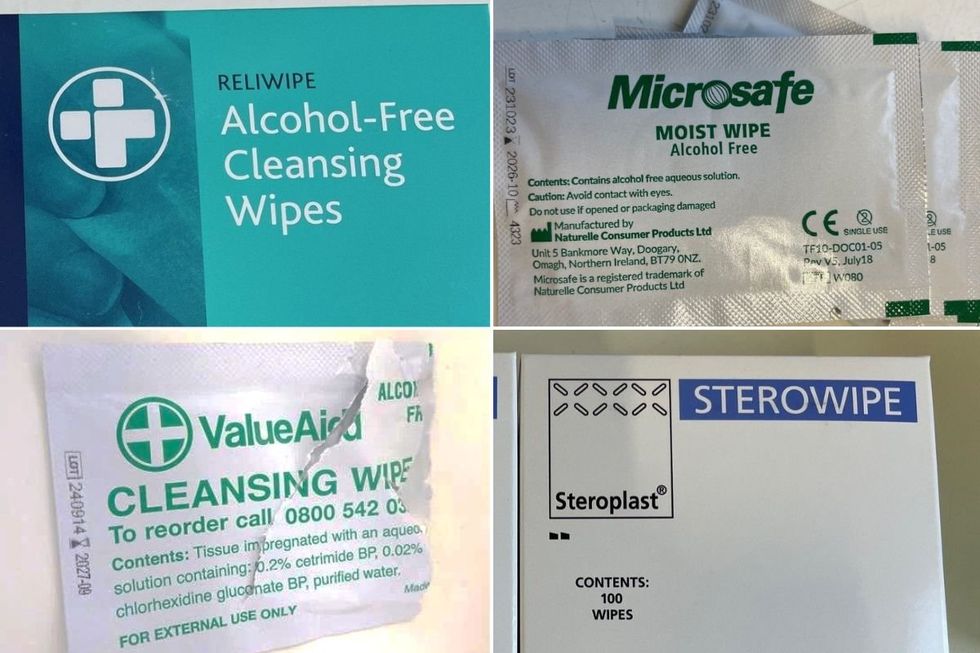
The four products have been identified as contaminated
|GOV.UK
Contaminated products should be thrown away with standard household rubbish, and only wipes clearly labelled as sterile should ever be applied to broken skin, wounds, scratches, or any area where blood is visible, according to the UKHSA.
Non-sterile alcohol-free wipes are unsuitable for wound care or cleaning around intravenous lines.
Healthcare providers have been instructed to examine first aid supplies used in routine patient care and remove any contaminated items promptly.
Anyone concerned about a wound showing signs of infection should contact NHS 111 immediately.
Our Standards: The GB News Editorial Charter