










Scientists have discovered that lending a hand to others might be one of the best things you can do for your brain as you get older.
The research, from The University of Texas at Austin and the University of Massachusetts Boston, found that spending just a couple of hours each week helping people outside your home can slow down age-related cognitive decline by roughly 15 per cent to 20 per cent.
The study tracked more than 30,000 American adults over 20 years, with their results showing that whether it's formal volunteering or simply helping out a neighbour, the sweet spot appears to be around two to four hours of helping per week.
The researchers dug into data from the national Health and Retirement Study, which includes a representative sample of Americans over 51 going back to 1998.
TRENDING
Stories
Videos
Your Say
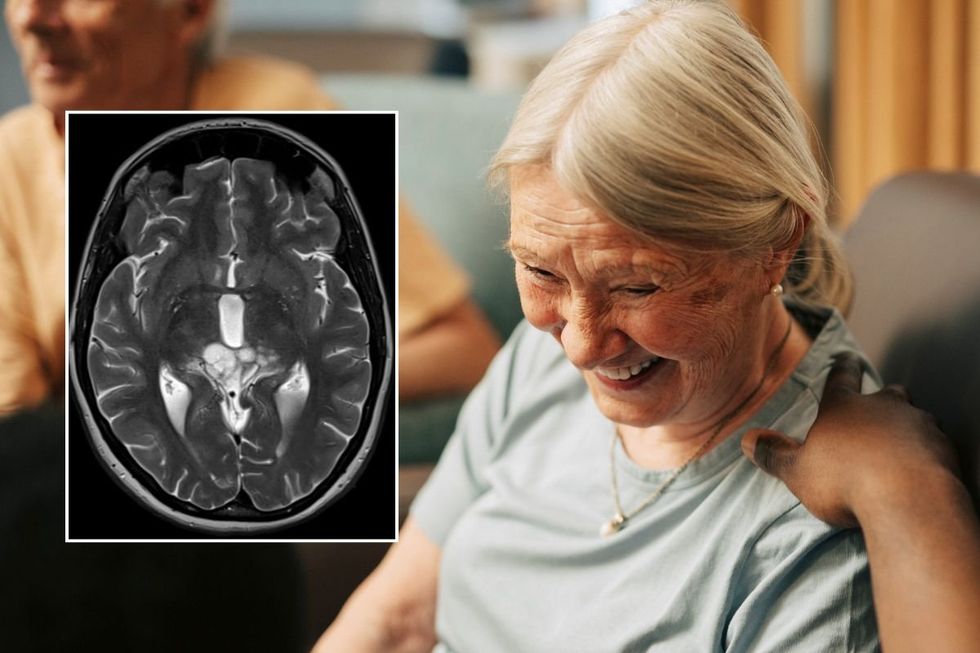
Casual acts of kindness benefit the brain
|GETTY
They found that both structured volunteering and casual acts of kindness delivered the same brain benefits.
Informal helping covers all sorts of everyday things – driving someone to a doctor's appointment, looking after children, mowing a lawn, or helping a friend sort out their taxes.
About a third of older Americans take part in organised volunteering, but more than half regularly pitch in to help people they know in these less formal ways.
The team accounted for factors like wealth, physical and mental health, and education levels, and found that even after taking all those variables into account, the cognitive benefits held firm.
Sae Hwang Han, an assistant professor of human development and family sciences at UT who led the study, said: "Everyday acts of support -- whether organised or personal -- can have lasting cognitive impact.
"What stood out to me was that the cognitive benefits of helping others weren't just short-term boosts but cumulative over time with sustained engagement, and these benefits were evident for both formal volunteering and informal helping.
"And in addition to that, moderate engagement of just two to four hours was consistently linked to robust benefits."
Han added: "Informal helping is sometimes assumed to offer fewer health benefits due to its lack of social recognition."
But in fact, "it was a pleasant surprise to find that it provides cognitive benefits comparable to formal volunteering."
LATEST DEVELOPMENTS
The findings make a strong case for treating volunteering and community connection as genuine public health priorities, particularly as conditions like Alzheimer's become more common in later life.
Han also warned that stepping back from helping altogether isn't great news for the brain.
'Everyday acts of support can have lasting cognitive impact'
|GETTY
"Conversely, our data show that completely withdrawing from helping is associated with worse cognitive function," Han said.
"This suggests the importance of keeping older adults engaged in some form of helping for as long as possible, with appropriate supports and accommodations in place."
There's also evidence that helping others may protect brain health through multiple pathways – reducing stress-related inflammation while strengthening the social bonds that provide emotional and psychological support.
Our Standards: The GB News Editorial Charter