








One in eight mothers experienced trauma during childbirth, a shocking new poll shows, with many later suffering mental health problems linked to maternity care failures.
The survey found 12 per cent of women were traumatised while giving birth, with the distress often followed by lasting psychological harm, anxiety and fear about having more children.
Researchers say the findings highlight how the impact of poor maternity care goes far beyond physical injury, with almost one in three mothers reporting mental health struggles after their childbirth experience.
The figures come in the wake of major maternity safety investigations, including the Nottingham hospitals inquiry, the largest in NHS history, as well as reviews into Shrewsbury and Telford, East Kent and other trusts where serious failings, missed warnings and women not being listened to were repeatedly identified.
The new polling, commissioned by Lime Solicitors, found 30 per cent of women said their childbirth experience left them with mental health issues, while 13 per cent reported long-term psychological damage after giving birth. In the West Midlands, the figure rose to one in five women suffering lasting mental health harm, raising concerns about a postcode lottery in maternity safety.
More than a quarter of women (26 per cent) said they did not rate their pre-birth care positively, suggesting many mothers felt unsupported even before labour began.
During birth itself, almost one in three (32 per cent) said their consent was not properly upheld, while 29 per cent did not feel listened to by doctors and 23 per cent said they did not feel listened to by midwives.
Younger mothers appeared particularly vulnerable, with 28 per cent of women aged 20 to 25 saying childbirth caused short-term mental health damage compared with a national average of 22 per cent.
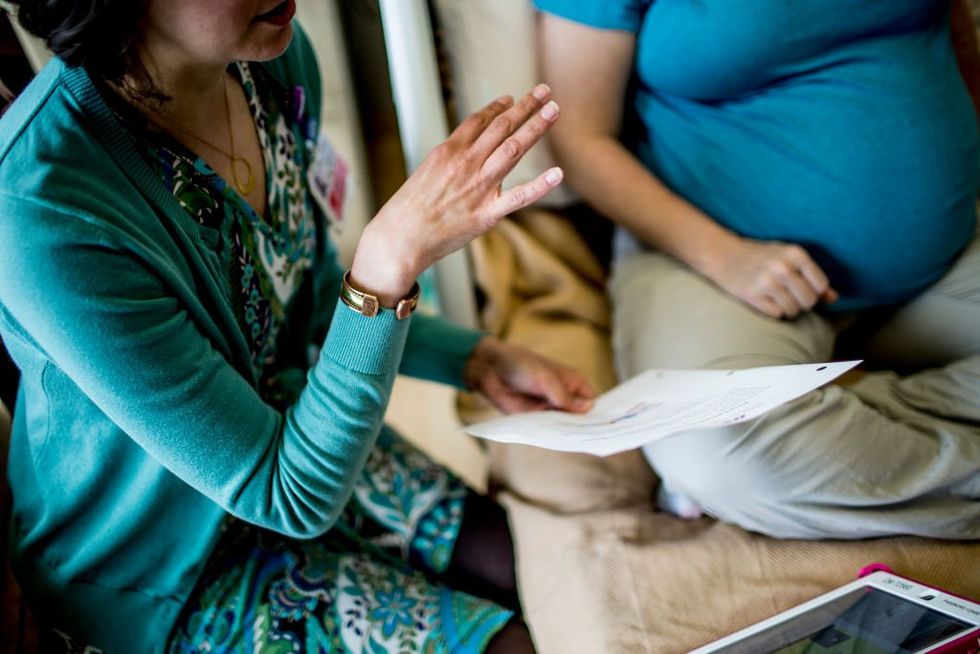
One in eight mothers experienced trauma during childbirth
|GETTY
Campaigners say the figures reflect the same problems uncovered by recent maternity enquiries – poor communication, lack of staffing and women’s concerns being dismissed – leaving some mothers traumatised for years.
Nikki Fahey, Head of Medical Negligence East Midlands at Lime Solicitors, said the findings should serve as a wake-up call, adding: “Too many women tell us that what should have been one of the happiest moments of their lives became an experience defined by fear and distress. Our research has uncovered a system that’s leaving women to shoulder the mental and emotional fallout of poor maternity care. Mothers are being ignored, dismissed, and left to suffer in silence before, during and after giving birth. Our maternity care system is under immense strain, but the lack of compassion and communication reported by so many women must serve as a wake-up call. Every woman should feel heard, supported, and safe when bringing a child into the world. Patient safety must be treated as a national priority, with urgent action to rebuild trust and ensure no woman faces avoidable trauma when giving birth. For some mothers, the consequences are life changing."
Fatema Chowdhury, 34, from Romford, London, suffered a cardiac arrest and permanent injury after what she says was substandard care during the birth of her first child, leaving her with ongoing physical complications and severe psychological trauma.
She is bringing a clinical negligence claim against Barts Health NHS Trust following her labour in March 2018.
LATEST DEVELOPMENTS
The figures come in the wake of major maternity safety investigations
| GETTYFatema, who had previously been treated for Hodgkin’s lymphoma, was induced after reduced foetal movements.
When the first induction failed, she requested a caesarean section, but says this was refused, despite guidance requiring the option to be discussed.
Labour continued and ended in a forceps delivery, a third-degree tear and a postpartum haemorrhage estimated at around four litres.
She went into cardiac arrest and required intensive care.
After delivery, she developed serious bladder damage following failings in postnatal care, leaving her with ongoing incontinence and lasting psychological trauma, including a fear of childbirth.
She said: “I dreamt of having a child and holding my baby after birth. But my first daughter’s birth turned into a nightmare. I never imagined that I would wake up in the ICU surrounded by all the machines and wires after giving birth to my first child. I wish they could have listened to me once, then I would not have had to go through so many incidents, and my life would be different, even now. Every time, I go to toilet I have to spend longer there because of my damaged bladder. It’s a constant reminder of my past. I am literally scared of those childbirth moments. All my female friends and relatives know how much I now hate normal childbirth, and I usually suggest every pregnant mum to opt for a c-section because I am scared they might end up with the same situation.”
Bell Ribeiro-Addy, Labour MP for Clapham and Brixton Hill, said the poll underlines concerns raised by a series of maternity scandals.
She said: “Maternity services have witnessed severe deterioration and a series of scandals. This study underscores both the extent of ongoing failings within maternity care and the serious mental health implications this has for women."
A Department of Health and Social Care spokesman said: “No mother should be left to suffer in silence when it comes to mental health. This government inherited a broken NHS, and we're committed to improving the care mothers receive throughout pregnancy, birth and the critical months that follow. Our Healthy Babies funding delivers vital support for perinatal mental health during the crucial thousand and one days from pregnancy to age two."We are also investing an extra £688 million in mental health services this year, recruiting 8,000 additional mental health workers, and providing Specialist Perinatal Mental Health Services nationwide to improve access to support."
Barts Health NHS Trust said in a statement: "We apologised to Ms Chowdhury that her care did not live up to the high standards that we set ourselves and are sorry that it is taking longer than anticipated to resolve her claims. The case is progressing and we are committed to working with her lawyers to achieve a fair resolution.”
Our Standards: The GB News Editorial Charter