








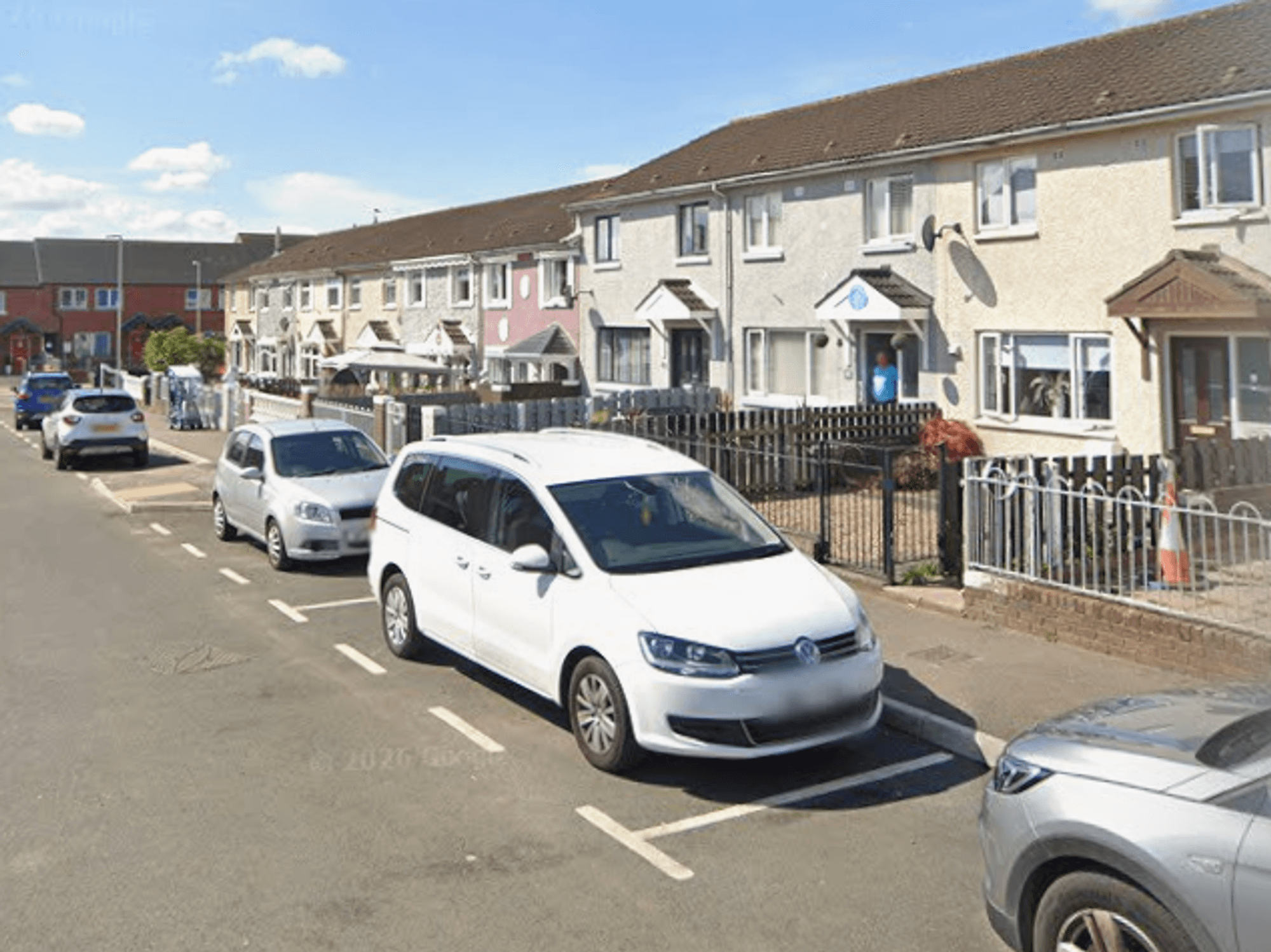
Princesses Beatrice and Eugenie are living in royal accommodation at below-market rates, with rental costs effectively covered through the King’s private funds, according to a new National Audit Office report examining how royal residences are allocated and financed.
The report sets out how non-working members of the Royal Family occupying properties within the occupied royal Palaces are typically charged an adjusted rent of around 60 per cent of open market value.
However, it also notes that this policy has not always been consistently applied across all arrangements.
In the case of Beatrice and Eugenie, both of whom have long held residences within royal estates, the NAO confirms that rents for non-working royals occupying Palace properties are currently met through the Privy Purse, the Sovereign’s private income.
The Privy Purse is funded largely through the Duchy of Lancaster and is used at the discretion of the monarch to support royal expenditure not covered by the Sovereign Grant.
The NAO includes detailed figures showing how rental rates for both princesses have changed over time as valuations have been updated.
For Princess Eugenie, rent was set at 50 per cent of 2018 market value in 2020 and 2021, rising to 55 per cent in 2022, 60 per cent in 2023, 63 per cent in 2024, and reaching 64 per cent by 2026.
For Princess Beatrice, rent was paid at 60 per cent of 2020 market value in both 2020 and 2021, before increasing to 68 per cent by 2026 following later valuation adjustments.
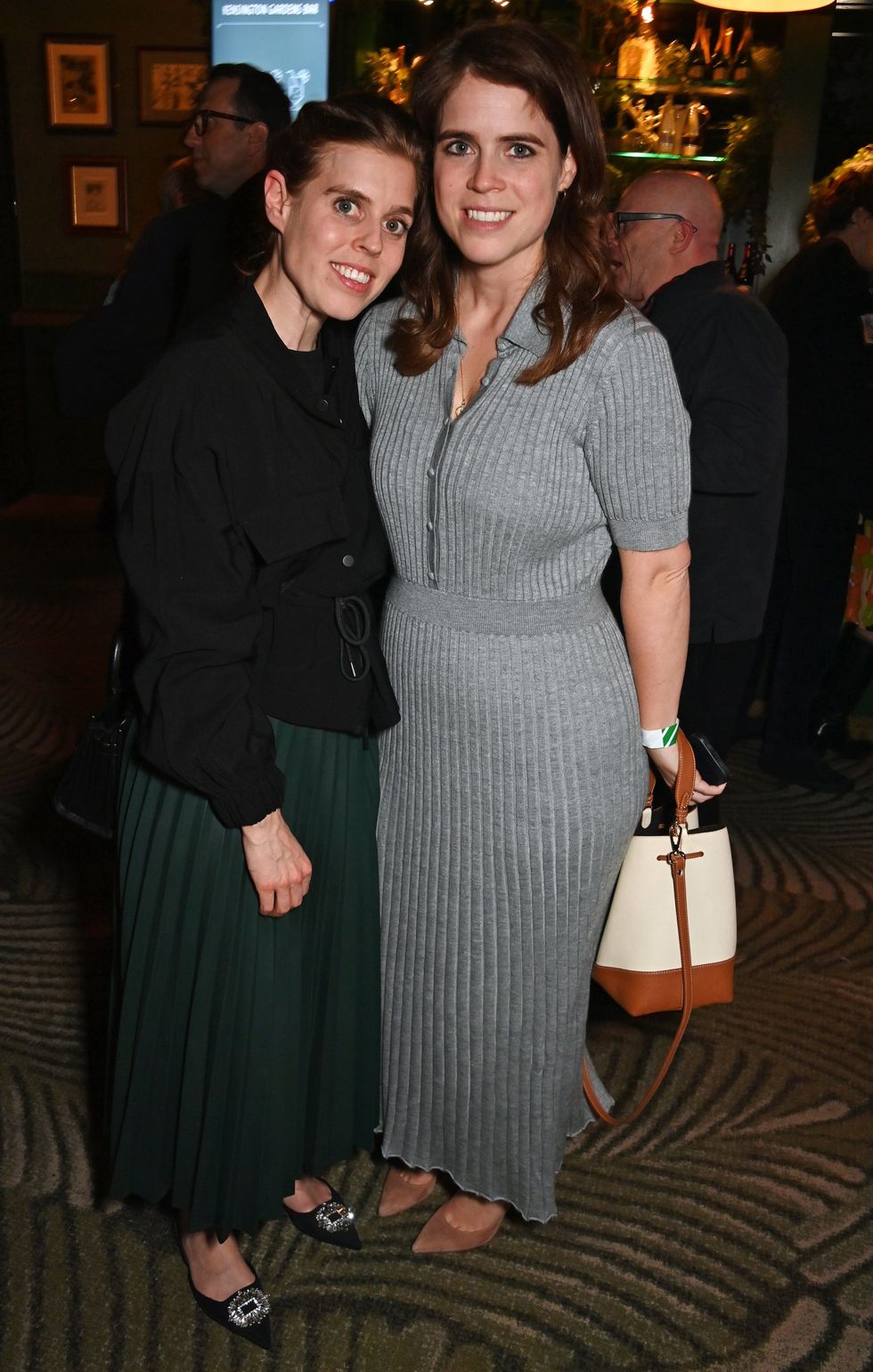
Princess Beatrice and Princess Eugenie’s discounted royal rent has been covered by King Charles’s private funds, according to the National Audit Office
|GETTY
The NAO review also highlights that rental arrangements for royal residences vary significantly depending on the role of the occupant, whether the property is required for official duties, and whether it falls within a secure area of the occupied royal Palaces.
In total, 11 working members of the Royal Family occupy seven residences within St James’s Palace and Kensington Palace at no cost, in recognition of their official duties.
By contrast, three properties occupied by non-working royals are subject to adjusted rents under Household policy. Beatrice and Eugenie’s arrangements fall within this latter category.
Over recent years, the NAO notes that rental levels for similar properties have increased incrementally as valuations have been updated, although in some cases the basis for those adjustments has not always been fully clear due to inconsistent revaluation practices.
LATEST ROYAL DEVELOPMENTS
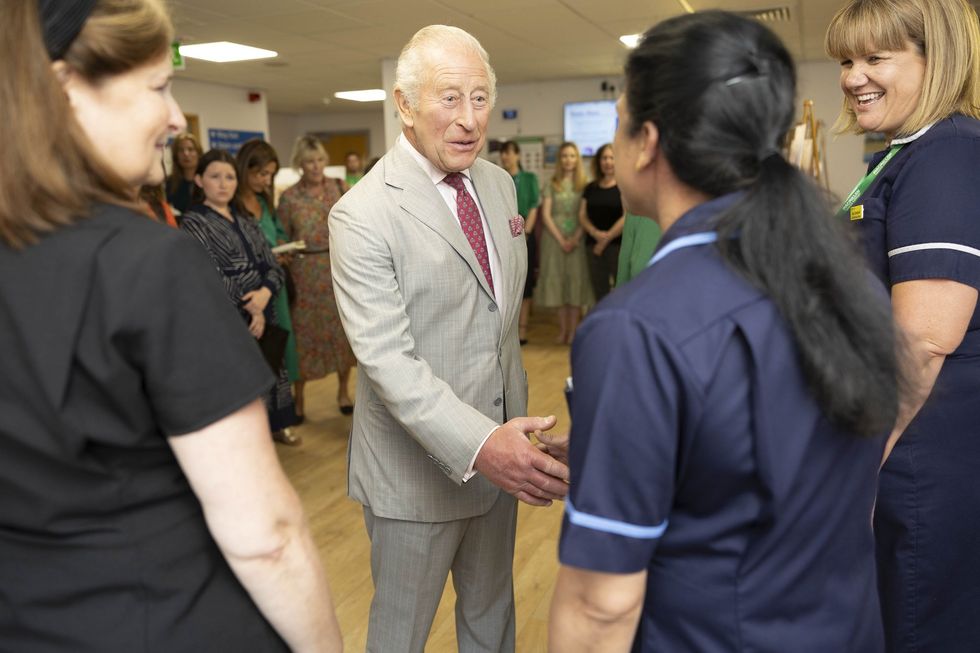
The Privy Purse is funded largely through the Duchy of Lancaster and is used at the discretion of the monarch to support royal expenditure not covered by the Sovereign Grant
| PAThe findings form part of a broader NAO examination of royal property arrangements, which also covers Crown Estate leases, grace-and-favour housing, and accommodation provided to royal household staff.
The review highlights the complexity of the system, which spans both publicly managed Crown Estate assets and privately funded royal household arrangements.
It also shows that the Royal Household generates additional income from more than 140 staff properties, where occupants are required to live within Palace grounds and contribute a proportion of their salaries towards accommodation costs.
In total, the Household raised £3.6million in rental income in 2024 to 2025 from non-official use of residential properties across the royal estate.
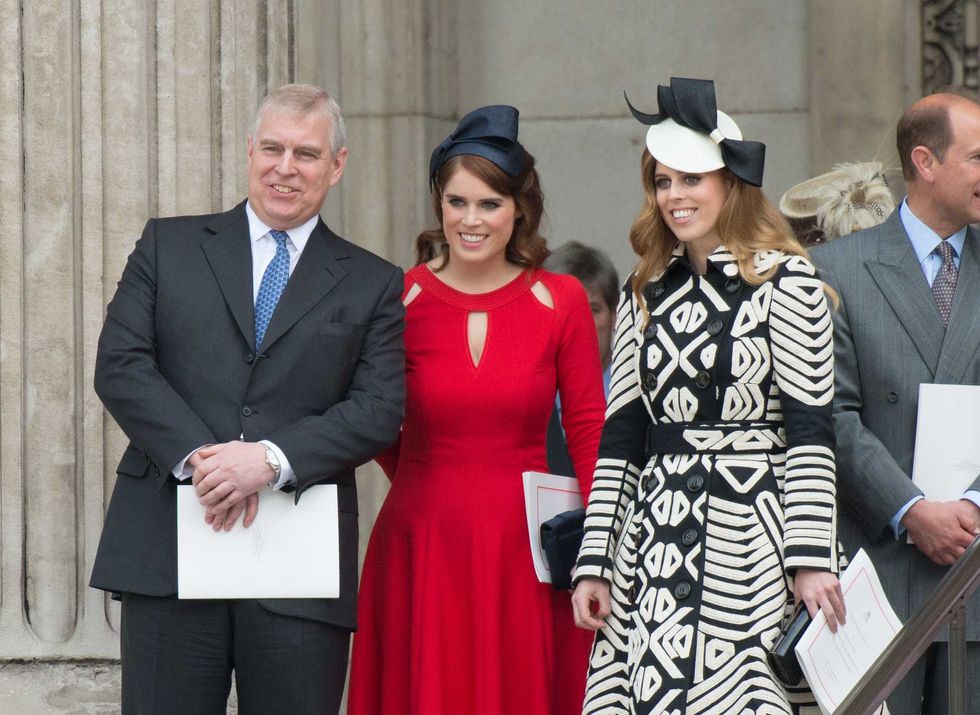 Andrew pictured with his daughters, Princesses Beatrice and Eugenie | GETTY
The NAO emphasises that royal housing arrangements are shaped by a combination of historic precedent, security requirements, and the operational needs of the monarchy.
However, the report also notes that the variety of arrangements can make transparency and consistency difficult to assess from a public accountability perspective.
The publication is expected to feed into ongoing parliamentary scrutiny by the Public Accounts Committee, which is examining whether Crown Estate leasing practices involving members of the Royal Family deliver appropriate value for money.
Following the NAO’s report, a spokeswoman for the Crown Estate told GB News: “The Crown Estate welcomes the National Audit Office’s review which confirms its leases with members of the Royal Family were agreed in line with independent, professional advice and open market valuations. We look forward to discussing the report further with the Public Accounts Committee in due course.”