










What happens to your blood sugar after eating could have a major impact on your brain health down the line, scientists have warned
Scientists at the University of Liverpool have discovered that people who experience sharp glucose spikes following meals face a 69 per cent greater chance of developing Alzheimer's disease.
The team analysed genetic information from more than 350,000 individuals who took part in the UK Biobank study, making it one of the largest investigations into how blood sugar regulation might influence dementia risk.
Results suggest controlling glucose levels after eating could be crucial for protecting long-term cognitive function.

Controlling glucose levels after eating could lower dementia risk
|GETTY
The researchers employed a clever genetic technique called Mendelian randomization to dig into whether blood sugar problems actually play a direct role in dementia development.
They looked at participants aged between 40 and 69, examining several markers of how their bodies handle sugar.
This included fasting glucose readings, insulin levels, and crucially, blood sugar measurements taken two hours after eating.
This allowed scientists to work out whether certain biological traits genuinely contribute to disease risk, rather than just appearing alongside it by coincidence.
The approach helped the team pinpoint exactly which aspect of glucose regulation matters most for brain health.
The study revealed that elevated glucose after meals, known as postprandial hyperglycemia, emerged as the standout risk factor for Alzheimer's.
LATEST DEVELOPMENTS
Furthermore, it was noted this heightened risk could not be attributed to general brain shrinkage or damage to the brain's white matter, suggesting something more subtle is going on beneath the surface.
The researchers believe post-meal blood sugar spikes may affect the brain through biological mechanisms that scientists have noy fully worked out yet.
It is a finding that could shift how we think about preventing dementia, moving the focus beyond overall glucose control to what happens specifically after we eat.
Dr Andrew Mason, who led the research, said: "This finding could help shape future prevention strategies, highlighting the importance of managing blood sugar not just overall, but specifically after meals."
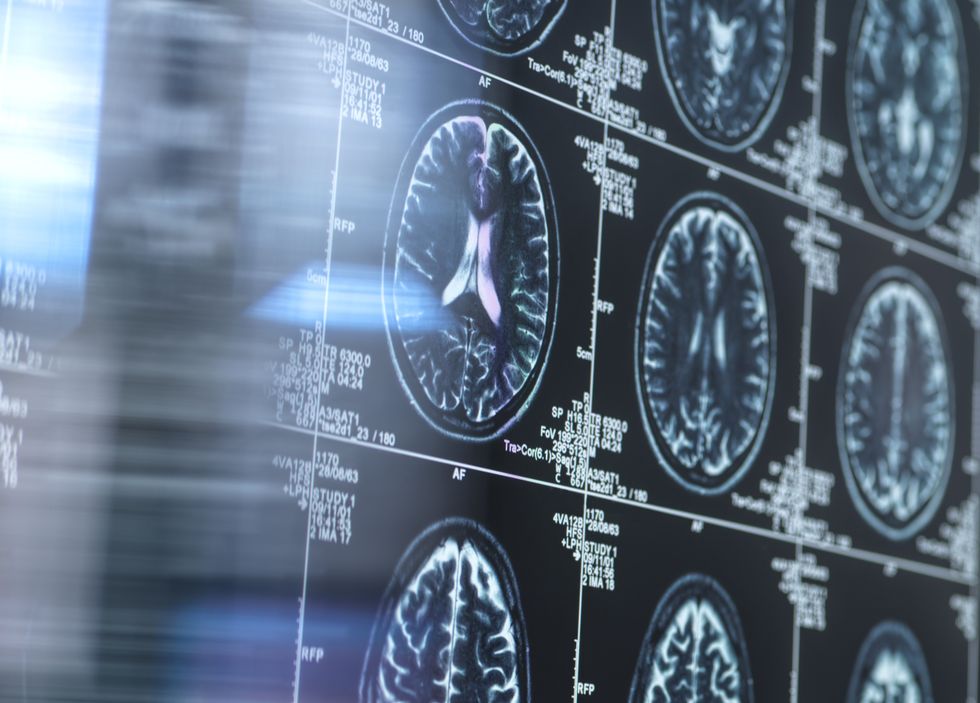
Scientists say the heightened risk cannot be attributed to general brain shrinkage or damage
|GETTY
His colleague Dr Vicky Garfield added: "We first need to replicate these results in other populations and ancestries to confirm the link and better understand the underlying biology.
"If validated, the study could pave the way for new approaches to reduce dementia risk in people with diabetes."
The team is now calling for further studies to confirm whether these findings hold true across different groups before any new prevention guidelines can be developed.
Our Standards: The GB News Editorial Charter