






The International Olympic Committee has announced a sweeping ban on transgender athletes competing in women’s sport, restricting eligibility in female categories to biological women.
The new policy, confirmed by IOC president Kirsty Coventry, will come into effect from the Los Angeles 2028 Olympic Games and is not retroactive.
Under the rules, eligibility will be determined through a one-time SRY gene screening, with only athletes who test negative permitted to compete in women’s events across all Olympic sports.
Speaking in a video released by the IOC, Ms Coventry said the decision was based on scientific evidence and expert medical guidance.
TRENDING
Stories
Videos
Your Say
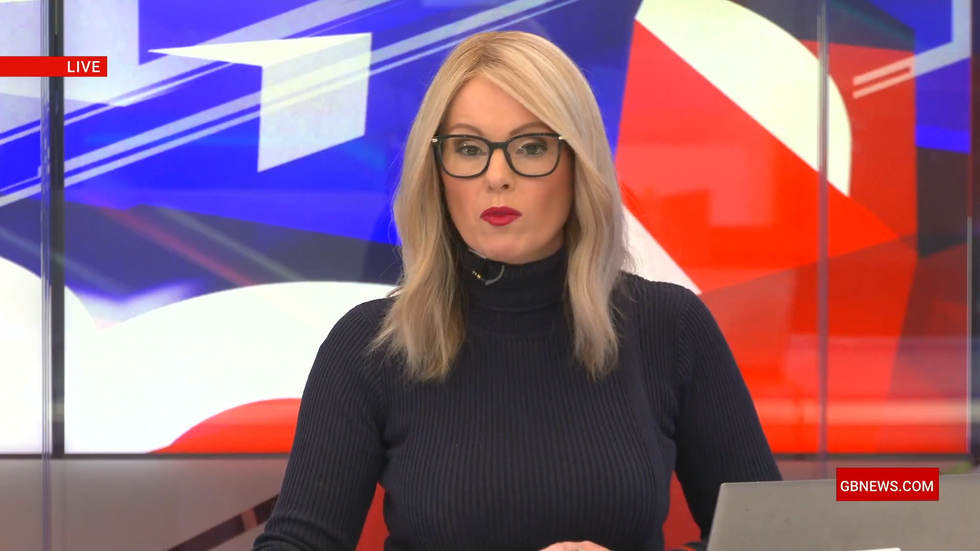
The International Olympic Committee has announced a sweeping ban on transgender athletes
| GB NEWS“The scientific evidence is very clear,” she said. “Male chromosomes give performance advantages in sports that rely on strength, power, or endurance.”
“At the Olympic Games, even the smallest margins can be the difference between victory and defeat, so it’s absolutely clear that it would not be fair for biological males to compete in the female category.”
She added in some sports, allowing biological males to compete in female categories could also raise safety concerns.
Despite this, Ms Coventry stressed all athletes must be treated with dignity and respect, with the screening process conducted only once in a lifetime and supported by counselling and medical advice.
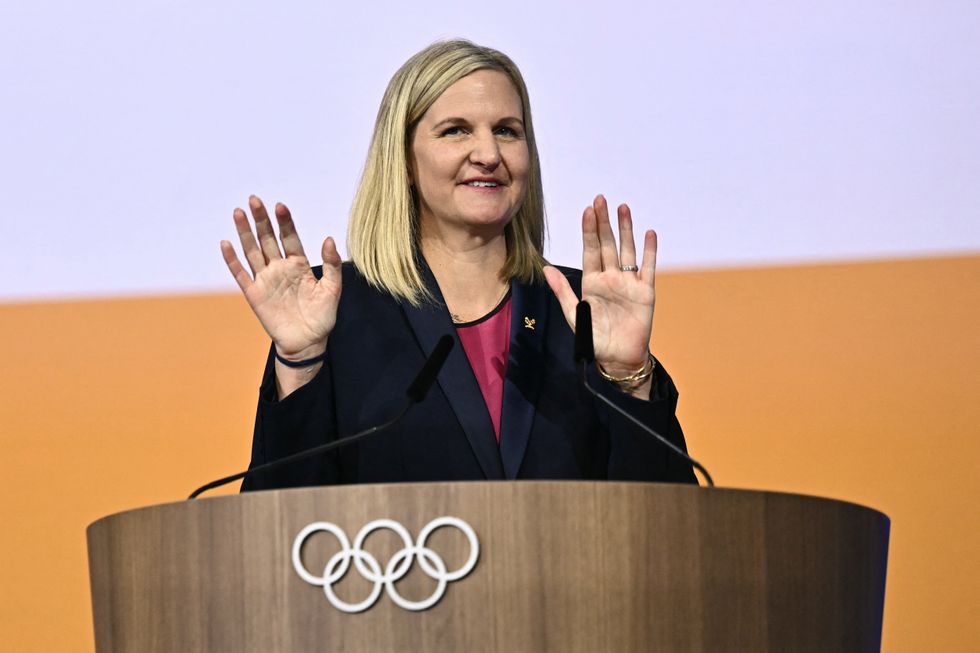
The new policy was confirmed by IOC president Kirsty Coventry
|GETTY
The policy follows a two-year review involving scientists, medical professionals, athletes and governing bodies, and replaces previous guidance that allowed individual sports to set their own rules regarding transgender participation.
The IOC said the changes are designed to protect fairness, safety and integrity in elite competition, but confirmed the policy does not apply to grassroots or recreational sport.
That distinction has already sparked debate.
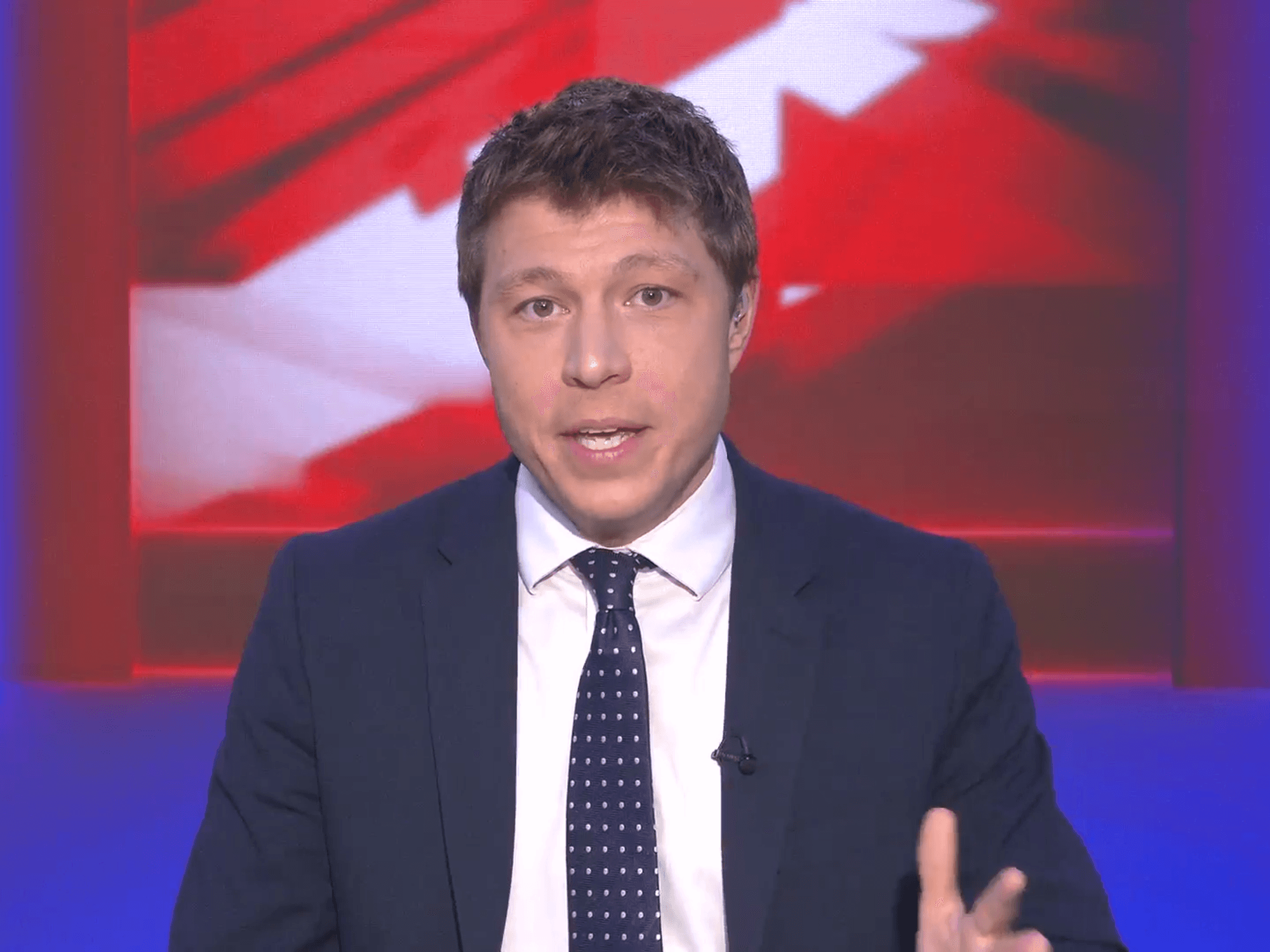
GB News presenter Michelle Dewberry was among those to respond, welcoming the announcement but calling for broader application beyond the Olympic level.
LATEST DEVELOPMENTS
Good to see IOC declare what most people have known all along; that males have an advantage over women in sport.
— Michelle Dewberry (@MichelleDewbs) March 26, 2026
This isn’t rocket science, it’s basic biology.
The only thing I would add is that “Fairness”, “safety” & “integrity” matters at grassroots level too.
Thanks to… https://t.co/WFhHOwJeRL
“Good to see IOC declare what most people have known all along; that males have an advantage over women in sport,” Michelle wrote on X.
“This isn’t rocket science, it’s basic biology.”
However, she added the same principles should apply at all levels of sport.
“The only thing I would add is that ‘fairness’, ‘safety’ & ‘integrity’ matter at the grassroots level too,” she said, thanking former Olympian Sharron Davies for her campaigning on the issue.
The IOC has maintained while elite sport requires strict eligibility rules to ensure fair competition, grassroots and recreational sport should remain focused on participation and inclusion.
However, critics argue separating elite and grassroots policies risks creating inconsistencies and could undermine the development of future athletes.
Some social media users echoed Michelle's concerns, with one writing: “Without the same fairness, safety and integrity for women and girls at the grassroots level, where will the elites of the future come from?”
Another viewer posted sarcastically: "Nowhere else, JUST sports right, I mean we wouldn't want to look too deeply at this in any other field now would we, that would be a serious problem for some!"

Michelle Dewberry welcomed the new rule change
| GB News"That woman even SAYS that she doesn't care about the lower levels of sport, and that fairness for the rest of us is not required. Horrible woman," posted a third.
However, someone accused those celebrating the new decision of not truly caring about the issue they are fighting for.
"Michelle, name 5 female Olympians from current events without googling it......." one viewer penned.
In contrast to the IOC’s approach, policies in the United States under Donald Trump have extended restrictions to school and grassroots sport, highlighting a growing divide in how different countries and organisations are handling the issue.
The debate continues to centre on how best to balance inclusion with fairness and safety, particularly in women’s sport.
Our Standards: The GB News Editorial Charter