




Tourette's syndrome campaigner John Davidson has issued a statement following widespread backlash over involuntary outbursts during Sunday's Bafta ceremony.
Davidson expressed gratitude towards Bafta and all those involved for their support and for inviting him to attend the broadcast.
"I appreciated the announcement to the auditorium in advance of the recording, warning everyone that my tics are involuntary and are not a reflection of my personal beliefs," he said.
The activist noted he was encouraged by the applause that followed this announcement, stating he felt welcomed in an environment that would typically be impossible for him to navigate.
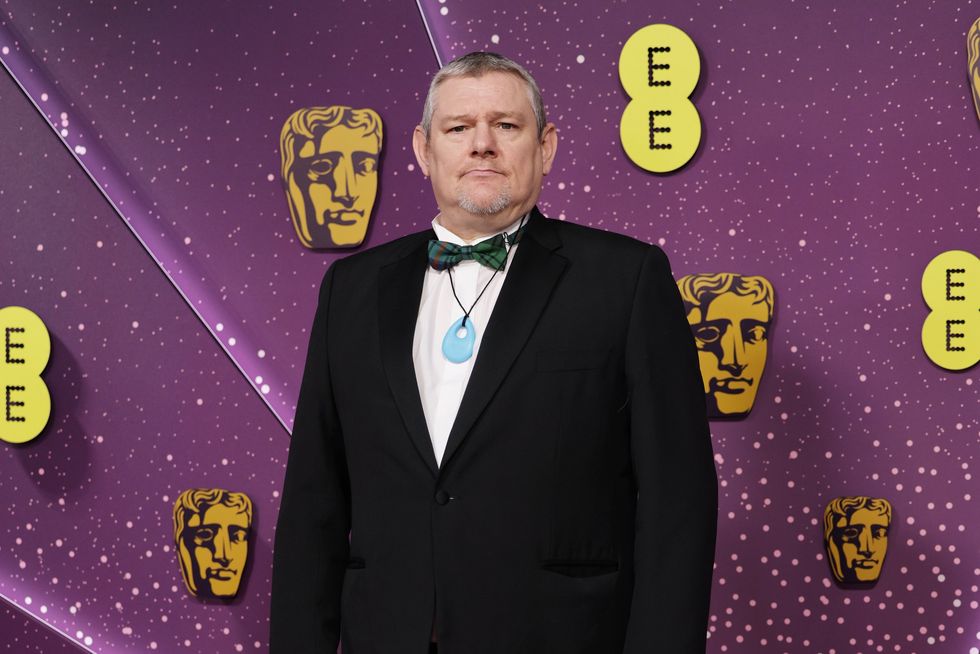 John Davidson, a prominent Tourette syndrome campaigner, shouted the N-word involuntarily from the audience during Sunday evening's ceremony at the Royal Festival Hall | GETTY
"I am, and always have been deeply mortified if anyone considers my involuntary tics to be intentional or to carry any meaning," Mr Davidson added.
Mr Davidson attended the ceremony to celebrate I Swear, a biographical film about his life that received five Bafta nominations.
"I was in attendance to celebrate the film of my life, I Swear, which more than any film or TV documentary, explains the origins, condition, traits and manifestations of Tourette Syndrome," he stated.
The campaigner, who first developed tics and uncontrollable outbursts at the age of 12, has dedicated his life to supporting and empowering those with the condition whilst promoting empathy and understanding from others.
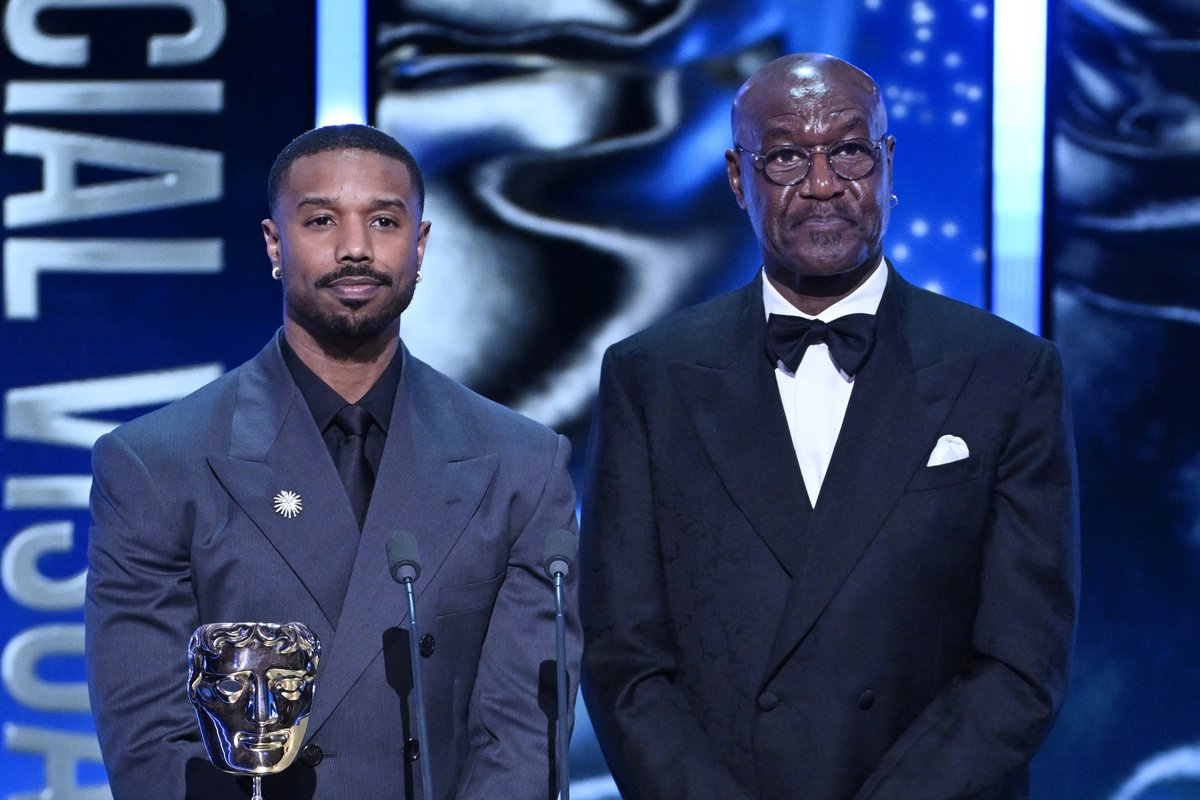
John Davidson's outburst came as Michael B Jordan and Delroy Lindo were on stage to deliver an award
|GETTY
However, Mr Davidson made the difficult decision to depart the auditorium before the ceremony concluded.
"I chose to leave the auditorium early into the ceremony as I was aware of the distress my tics were causing," he explained.
Throughout the first half of the ceremony, Mr Davidson experienced multiple outbursts, including directing an expletive at BAFTA chair Sara Putt.
When actors Michael B. Jordan and Delroy Lindo appeared on stage to present the best visual effects award to Avatar: Fire and Ash, the N-word was audible from Mr Davidson's direction.
LATEST DEVELOPMENTS
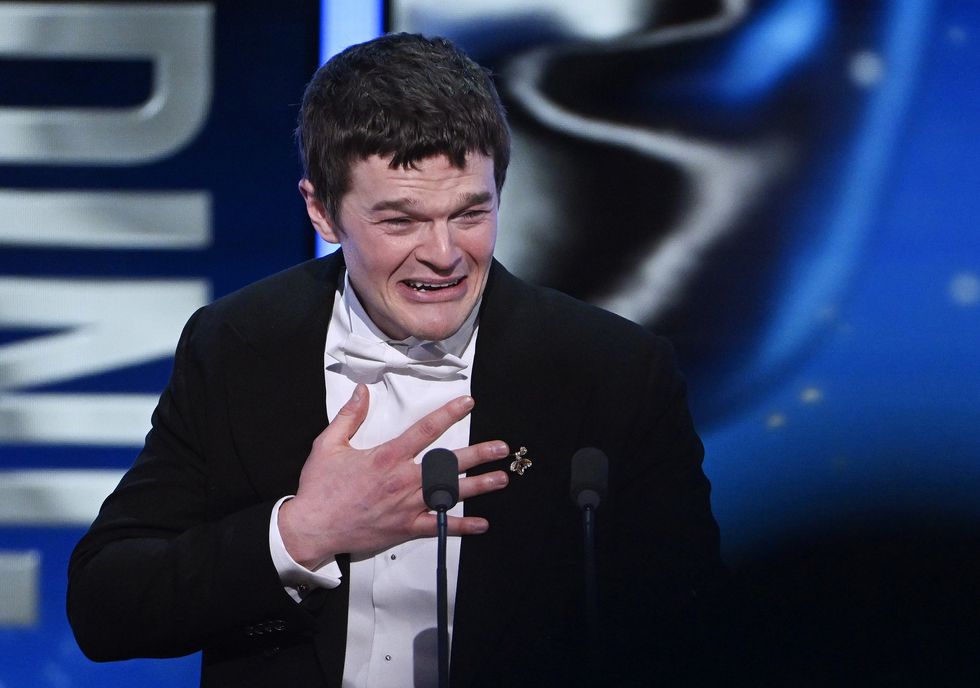 Baftas 2026: Robert Aramayo won Best Actor for his portrayal of John Davidson in I Swear | GETTY
Sinners production designer Hannah Beachler, herself a Bafta nominee, later revealed on X that the slur occurred three times during the evening, with one instance directed at her personally as she made her way to dinner following the show.
Ms Beachler also criticised the handling of the situation, writing: "What made the situation worse was the throw away apology of 'if you were offended' at the end of the show."
Host Alan Cumming twice paused proceedings to address the outbursts, thanking the audience—which included the Prince and Princess of Wales—for their understanding.
Despite the ceremony being broadcast with a two-hour delay on BBC One, the racial slur was not removed from the transmission and remained accessible on iPlayer until midday on Monday, when the broadcaster finally withdrew it.
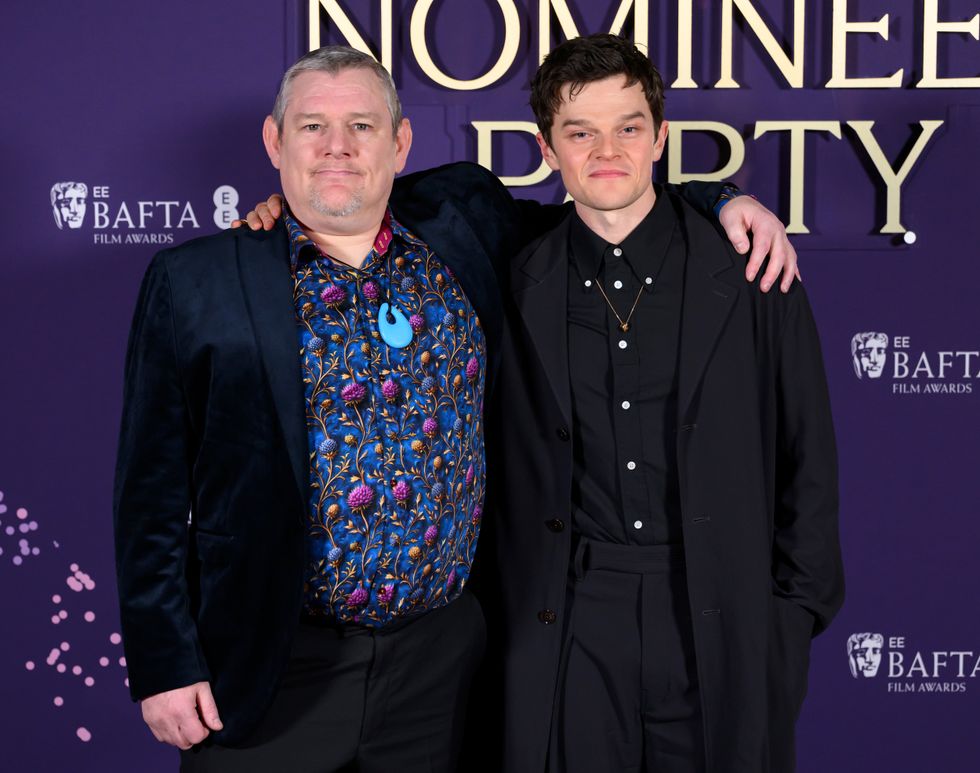 John Davidson experiences involuntary vocal tics as a result of his condition | GETTY
The BBC issued an apology, acknowledging that the offensive language should have been edited out prior to broadcast.
Emma McNally, chief executive of Tourettes Action, released a statement defending Davidson and explaining the neurological reality of the condition.
"It is vital that the public understands a fundamental truth about Tourette syndrome: tics are involuntary," McNally wrote. "They are not a reflection of a person's beliefs, intentions, or character."
She added that individuals with Tourette's can utter words they do not mean and feel significant distress about afterwards, emphasising these symptoms are neurological rather than intentional.