







It has been decided Israel will be competing in next year's Eurovision Song Contest.
Participating broadcasters came to the decision in a meeting following calls for a vote on Israel's participation, with many having called for the country to be excluded due to the war in Gaza.
Dutch broadcaster Avrotros announced immediately it would boycott the contest over the decision reached.
The European Broadcasting Union confirmed the news following a summit held in Geneva earlier today.
TRENDING
Stories
Videos
Your Say
Member broadcasters opted against holding a vote on whether to exclude the country, instead endorsing a fresh set of regulations designed to safeguard the competition's integrity.
Multiple nations had pushed for Israel's removal from the 2026 event, citing the humanitarian impact of the conflict in Gaza alongside allegations of improper voting conduct.
Germany and other countries backing Israel's continued involvement had previously cautioned that barring the four-time winner would carry significant repercussions.
The decision means Israel will compete at the Vienna-hosted contest scheduled for May next year, despite sustained pressure from several participating broadcasters.
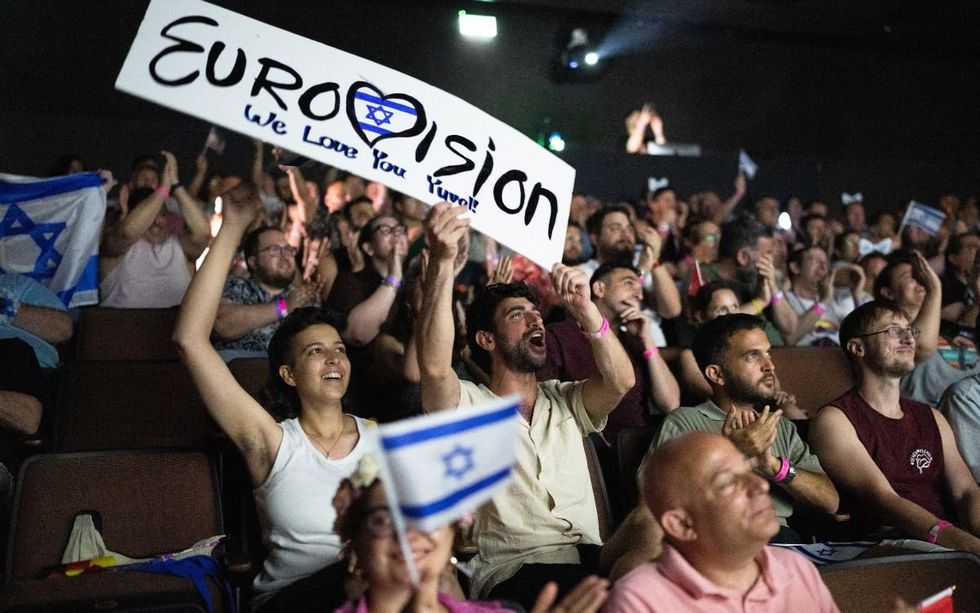
Eurovision Song Contest
|GETTY
Within minutes of the announcement, Dutch public broadcaster Avrotros declared it would not take part in Eurovision 2026.
The organisation stated that following extensive consultations with stakeholders ranging from the Israeli ambassador to Amnesty International, it concluded that competing under present circumstances conflicted with its core public values.
RTÉ swiftly followed suit, confirming Ireland would neither participate in nor broadcast next year's competition.
The Irish broadcaster had previously indicated it would withdraw should Israel be permitted to compete, pointing to the ongoing war in Gaza as the determining factor.
LATEST DEVELOPMENTS
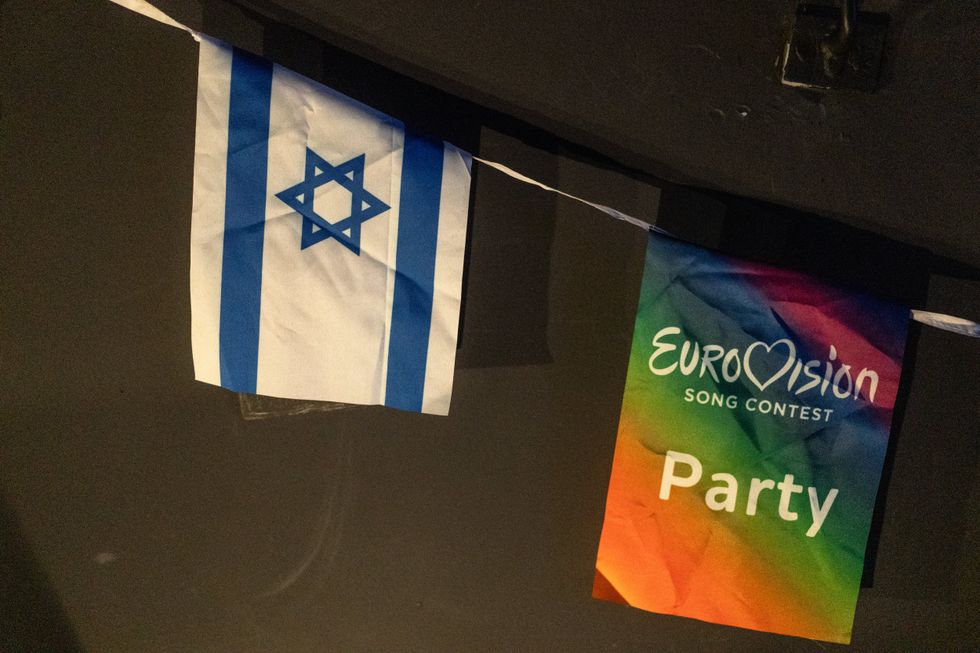
Israel will be competing in next year's competition
|GETTY
Both countries have deep connections to the contest, with Ireland holding the joint record for most victories at seven wins from 58 appearances since 1965.
The decision followed controversy surrounding this year's competition, where Israeli entrant Yuval Raphael secured second place overall amid allegations of improper voting practices.
While Israel placed joint-14th with the professional juries, the televote propelled the entry to first position in the public ballot, prompting accusations from several broadcasters of unfair conduct, including claims of a paid advertising campaign.
Israeli officials have firmly rejected any wrongdoing, asserting the country faces a coordinated global smear campaign.
Last month, the EBU unveiled reforms to its voting system aimed at bolstering trust and transparency, measures which received overwhelming support at today's Geneva meeting.
Under the revised rules, individual viewers will be limited to casting 10 votes rather than the previous 20, with audiences encouraged to spread their support across multiple entries.
Spain and Slovenia had also threatened to withdraw from the competition should Israel remain eligible, joining the Netherlands and Ireland in their stance against participation.
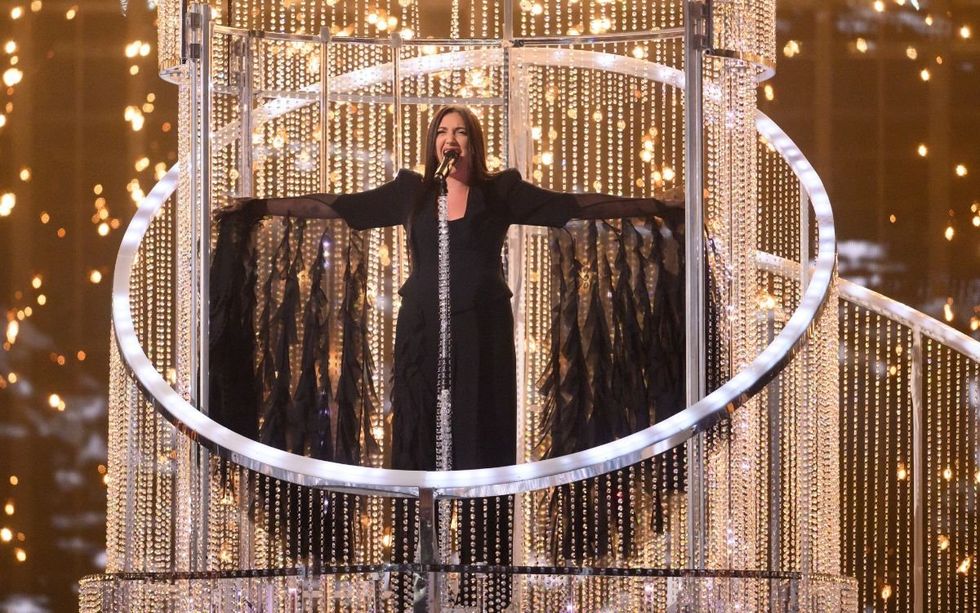
Yuval Raphael, who represented Israel this year
|GETTY
As one of the "Big Five" nations contributing most substantially to Eurovision's finances alongside the UK, France, Germany and Italy, Spain's potential absence would have represented a significant blow to the contest.
Conversely, German Chancellor Olaf Scholz had indicated in October that his country might pull out if Israel were excluded from competing.
Reigning champion JJ from Austria had voiced support for Israel's removal, while last year's winner Nemo stated in an interview with HuffPost UK: "I support the call for Israel's exclusion from the Eurovision Song Contest."
The annual competition attracts approximately 160 million viewers globally.