




Carole Ann Ford, who portrayed the Doctor’s first-ever companion Susan Foreman when Doctor Who launched in 1963, has said the BBC owes it to loyal viewers to keep the long-running science fiction series alive.
The actress, who recently returned to the show alongside Ncuti Gatwa’s Time Lord, shared her thoughts about the enduring dedication of the programme’s fanbase.
“The fans are very loyal and they’ve stuck with it through thick and thin over the years,” Ms Ford told Radio Times.
She pointed out that fans continued creating their own stories, artwork and content during periods when the BBC was not producing new episodes.
TRENDING
Stories
Videos
Your Say
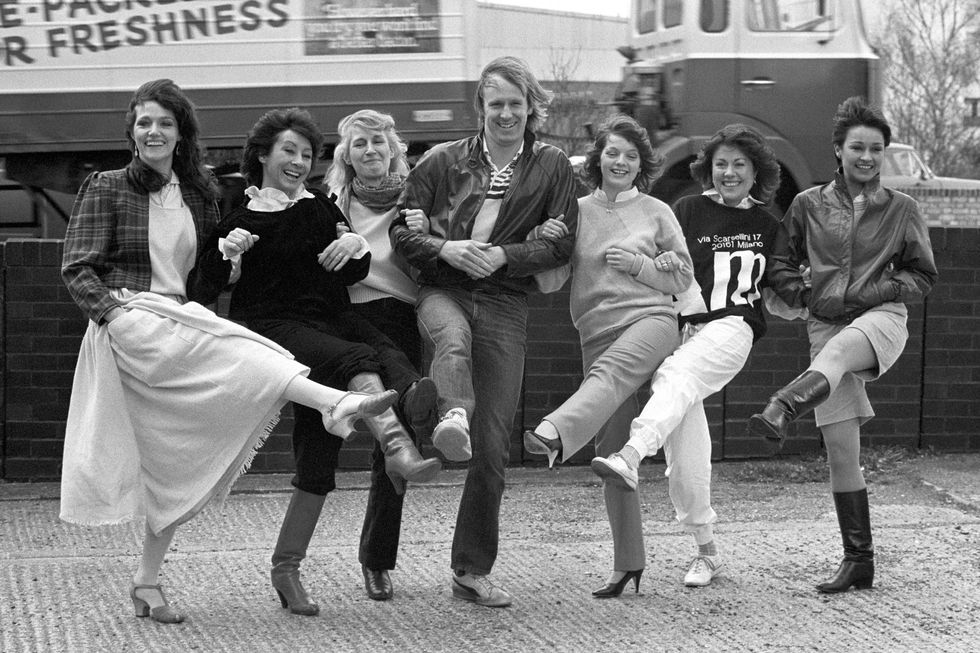
Dr Who (actor Peter Davison) and female companions of the Doctor's past and present. (l-r) Louise Jameson, Carole Ann Ford, Caroline John, Sarah Sutton, Elisabeth Sladen and Janet Fielding
|PA
“There’s a huge love out there and it’d be a shame to squash that,” she said. “I do think they have a duty to the fans to reproduce it, to carry it on, to keep it going.”
Ms Ford’s comments echo those of former showrunner Steven Moffat, who previously told the outlet that the BBC has a “national duty” to maintain the programme.
Despite the conclusion of Doctor Who’s streaming partnership with Disney, the corporation has insisted it remains committed to the show’s future.
BBC chief content officer Kate Phillips has reassured audiences that Doctor Who will continue, while it has been confirmed that Russell T Davies will write a new Christmas special later this year.
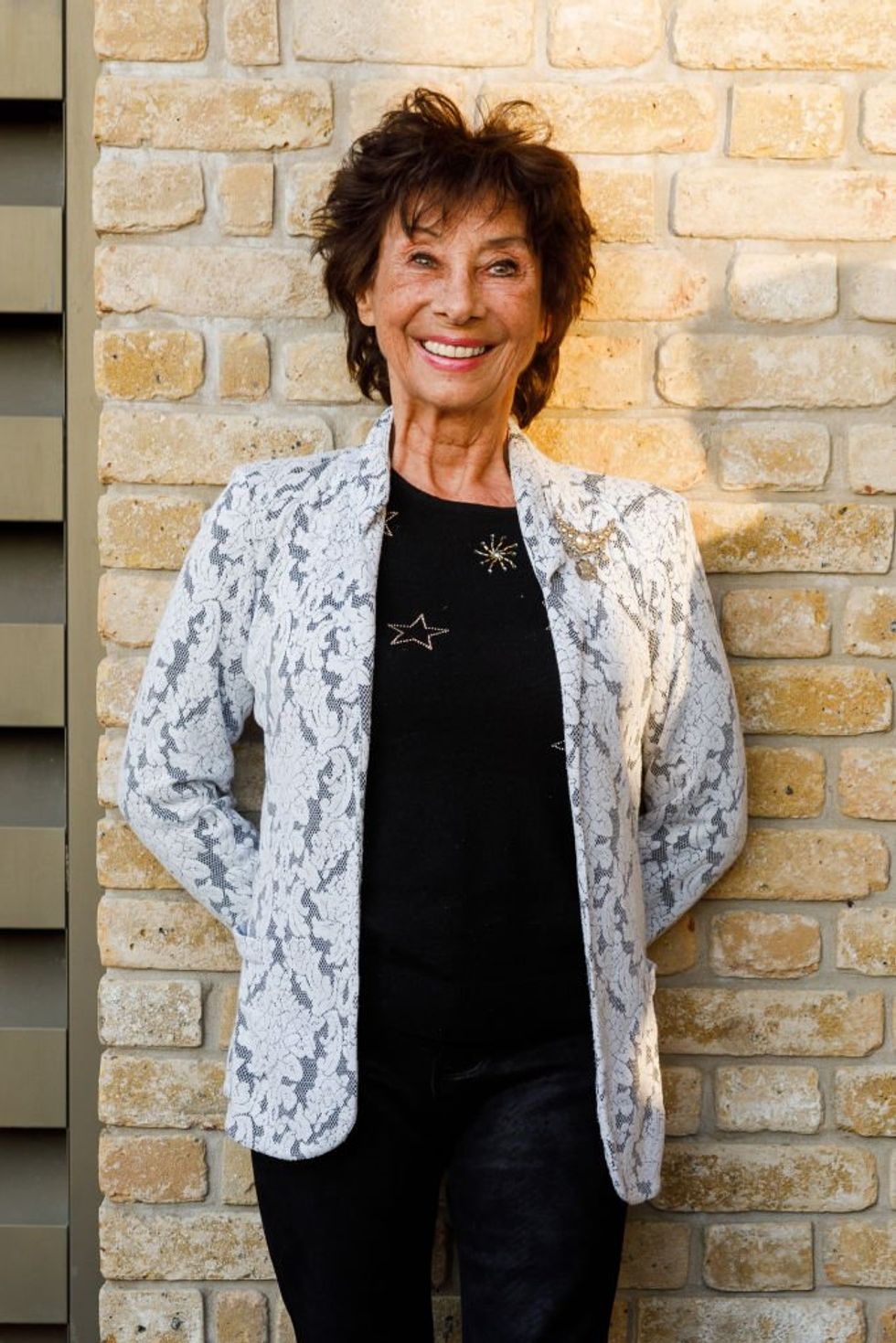
Carole Ann Ford portrayed the Doctor’s first-ever companion Susan Foreman in 1963
|GETTY
Speculation about the programme’s future has intensified in recent months, with unverified reports suggesting Mr Gatwa could depart and that the series itself may face cancellation.
The BBC has said decisions about future series will be made after the current run concludes.
However, new polling suggests the show’s popularity may be waning.
Research conducted by JL Partners found that 42 per cent of Doctor Who fans believe the programme has declined in quality since its 2005 revival following a 16-year hiatus.
LATEST DEVELOPMENTS
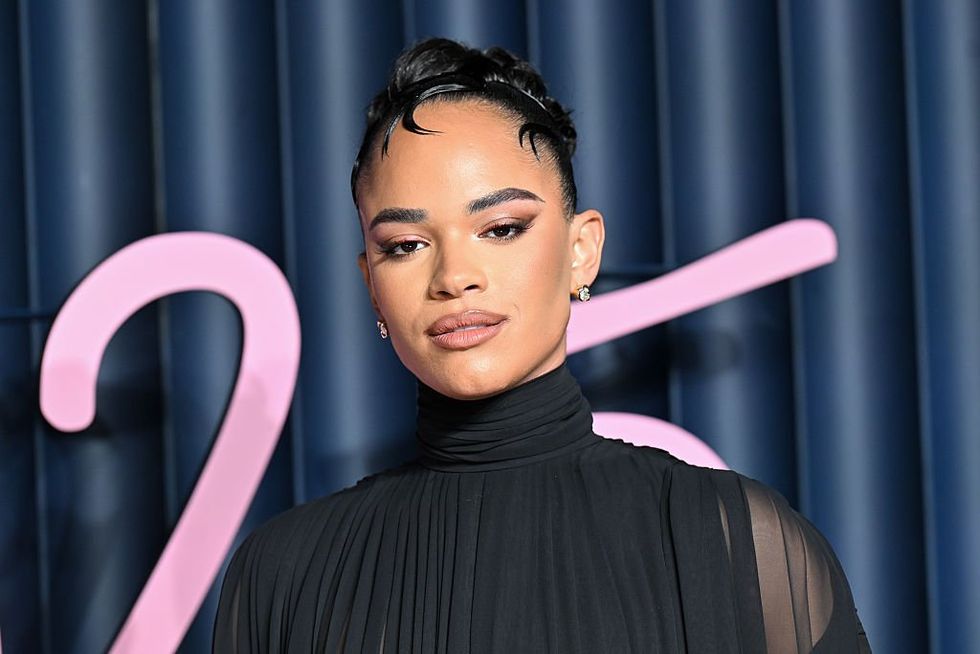
Rose Noble, the transgender daughter of companion Donna Noble, is played by trans actress Yasmin Finney
|GETTY
Among those who still watch regularly, 46 per cent said they feel the series now prioritises social justice themes and so-called “woke” content over entertainment.
James Johnson of JL Partners described the findings as “bleak”, saying: “The public believe a once-great show has lost its way, and their biggest complaint is that it puts the pursuit of wokeness above entertainment value.”
Respondents most commonly associated the programme with words including “rubbish”, “boring” and “woke”.
Doctor Who has faced mounting criticism over several recent storylines, including the introduction of transgender and non-binary characters.
During the 60th anniversary specials, viewers were introduced to Rose Noble, the transgender daughter of companion Donna Noble, played by trans actress Yasmin Finney.
One scene drew backlash after Ms Finney’s character challenged David Tennant’s Doctor for assuming the gender of a fluffy alien called Beep the Meep, with some viewers branding the exchange “cringe-worthy”.
The Family Education Trust later accused the episode of “promoting the cult of gender ideology” to young audiences.
American drag queen Jinkx Monsoon also appeared as Maestro, a non-binary villain who corrected another character’s use of pronouns, while earlier storylines during Jodie Whittaker’s tenure included a pregnant male alien from a species known as the Gifftans.
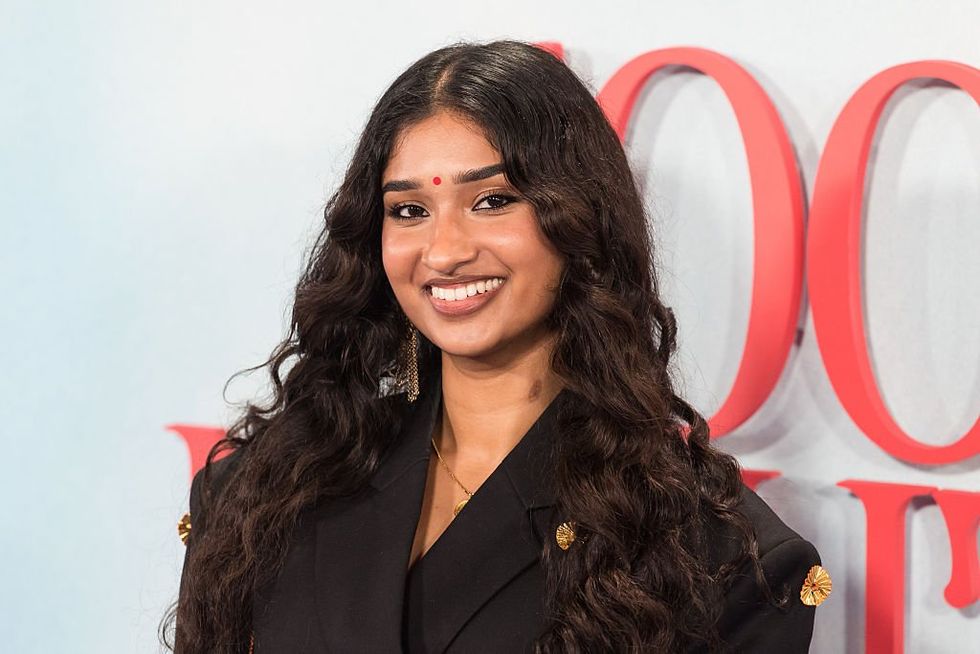
Doctor Who actress Varada Sethu said the criticism is a sign the sci-fi show is on the right path.
|GETTY
Mr Davies has strongly rejected accusations that the show has become overly “woke”, dismissing critics as “online warriors”.
Speaking to BBC Radio 2, he said: “Someone always brings up matters of diversity. And there are online warriors accusing us of diversity and wokeness and involving messages and issues. And I have no time for this.
“What you might call diversity, I just call an open door.”
New companion Varada Sethu also defended the direction of the show, suggesting the criticism itself was a sign Doctor Who was on the right path.
“Woke just means inclusive, progressive, and that you care about people,” she told the outlet.
“And, as far as I know, the core of Doctor Who is kindness, love and doing the right thing.”