




Danny Dyer has called for more working-class voices to be represented on British television.
The actor spoke to Radio Times about his new Sky series The Dyers’ Caravan Park, in which he and his daughter Dani Dyer attempt to restore a seaside caravan site in Leysdown-on-Sea, Kent.
Mr Dyer said the project was inspired by his own upbringing and a desire to showcase communities often overlooked on screen.
The former EastEnders star admitted he was initially hesitant to take part, saying he “couldn’t be f***ed” when first approached.
TRENDING
Stories
Videos
Your Say
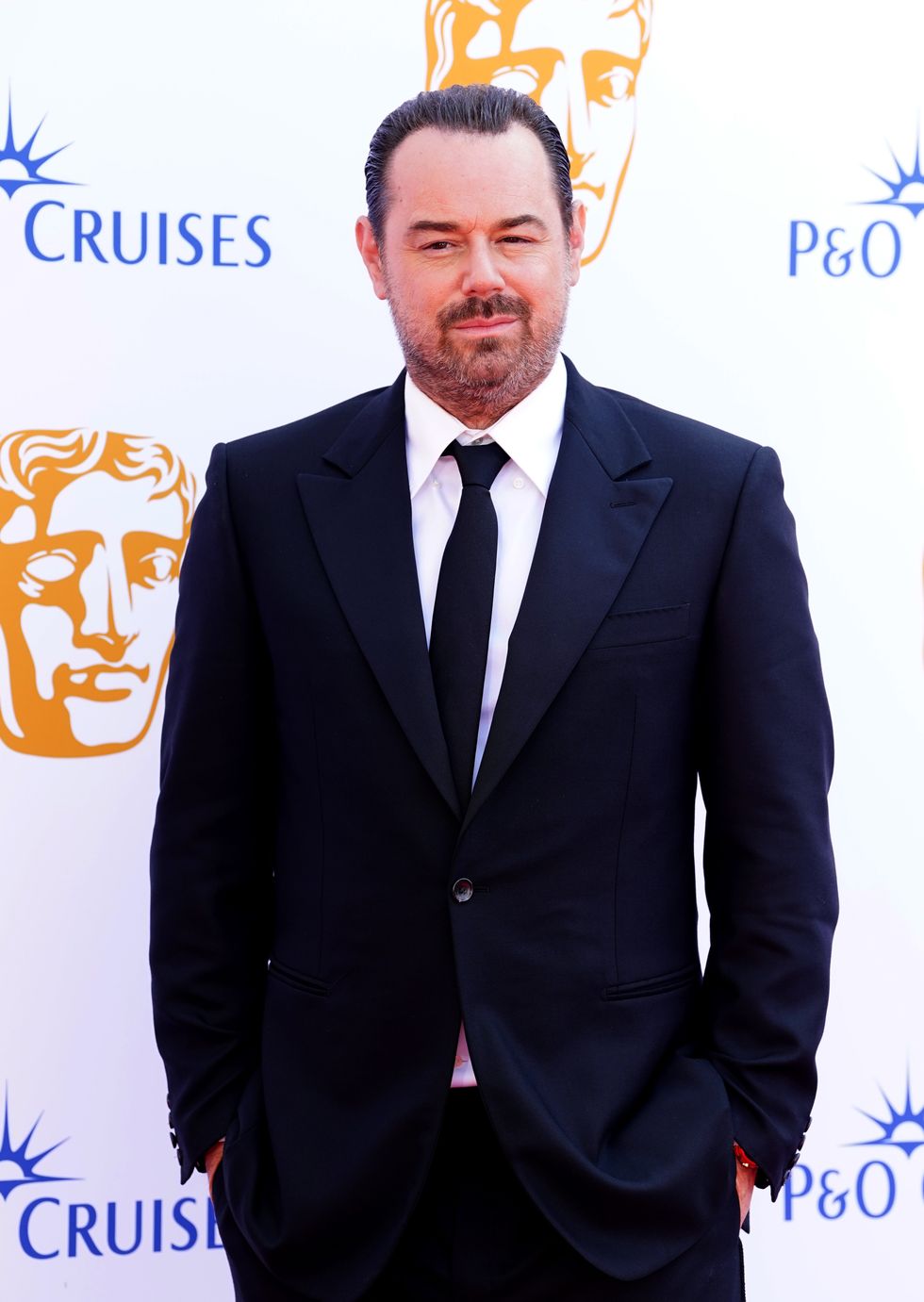
Danny Dyer called for more working-class voices to be represented on British television
| PAHe explained that he was unsure about being filmed in a reality-style format, adding that it felt very different from acting: “I’m an actor, and it’s a very different discipline having three cameras follow you all the time, waiting for you to make mistakes.
"So, I didn’t know how comfortable I was with that. That’s why I needed Dani.”
Despite his reservations, Mr Dyer said caravan holidays hold deep personal meaning for him, recalling regular childhood trips to Canvey Island and Thorney Bay Beach Camp in Essex.
He described them as “very much a working-class holiday,” where extended family would gather in caravans and spend time together.
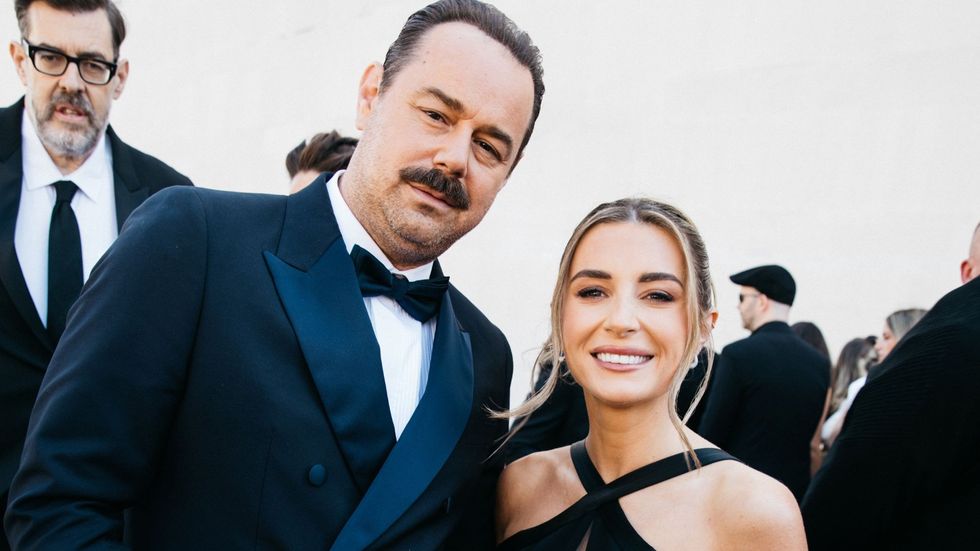 Dani Dyer is the daughter of actor and former EastEnders star Danny Dyer | GETTY
“My nan and grandad had a caravan, my aunts and uncles, my cousins. It was a family affair, and everyone going there together and hanging out was just the most exciting thing for me,” he said.
Ms Dyer said her own relationship with caravans depends on family experience, noting that they are something people either “love or they don’t.”
She also reflected on her close relationship with her father, saying: “We never argue – if we’ve ever argued it’s serious, but we don’t. Maybe only over a boyfriend.
"That’s probably the only arguments we’ve ever had.”
LATEST DEVELOPMENTS
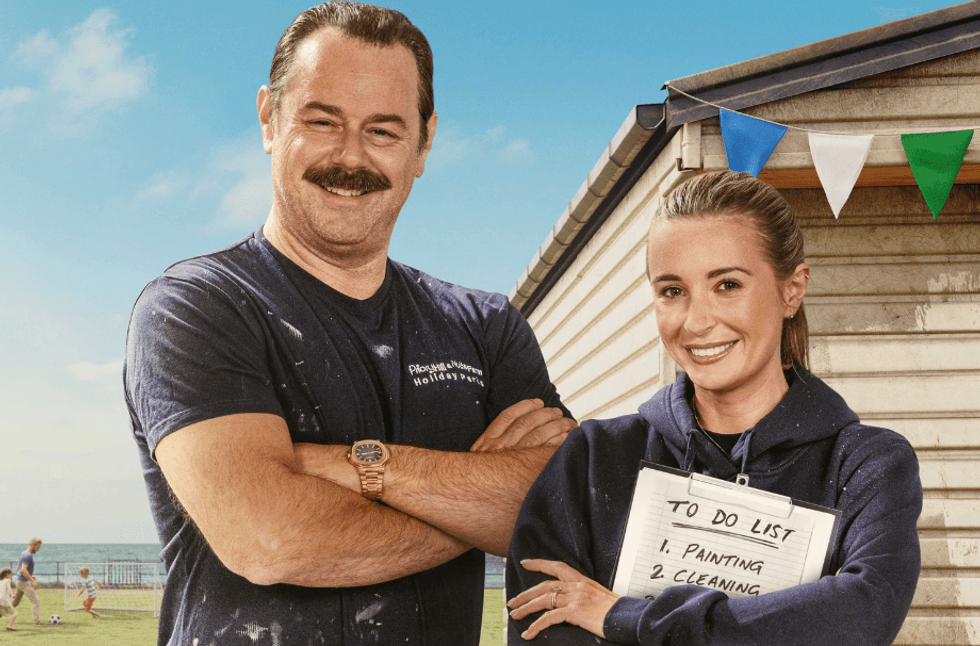
The actor spoke about his new Sky series The Dyers’ Caravan Park, in which he and his daughter Dani Dyer attempt to restore a seaside caravan site in Leysdown-on-Sea, Kent
|SKY
Mr Dyer added that he always supports his children and values how close they remain.
The series, which has already been renewed for a second run, follows the pair as they try to revive a Kent caravan park while highlighting the realities of British seaside tourism.
The actor said he hopes it helps draw attention back to coastal communities, even questioning whether places like Leysdown would be chosen for holidays today compared with “sexier places” such as Devon and Cornwall.
But beyond the practical challenges, he said the heart of the show is cultural.
“It’s about getting working-class voices back on the telly and that charisma that comes with it,” he said.
He added: “It’s funny, but it’s also got heart and soul. It will make you cry at some point.”
Mr Dyer also reflected on filming life with his daughter, saying they support each other through pressure and rarely find themselves both struggling at the same time.
Ms Dyer said they often “have a little moan in the car,” but generally lift each other up throughout the process.
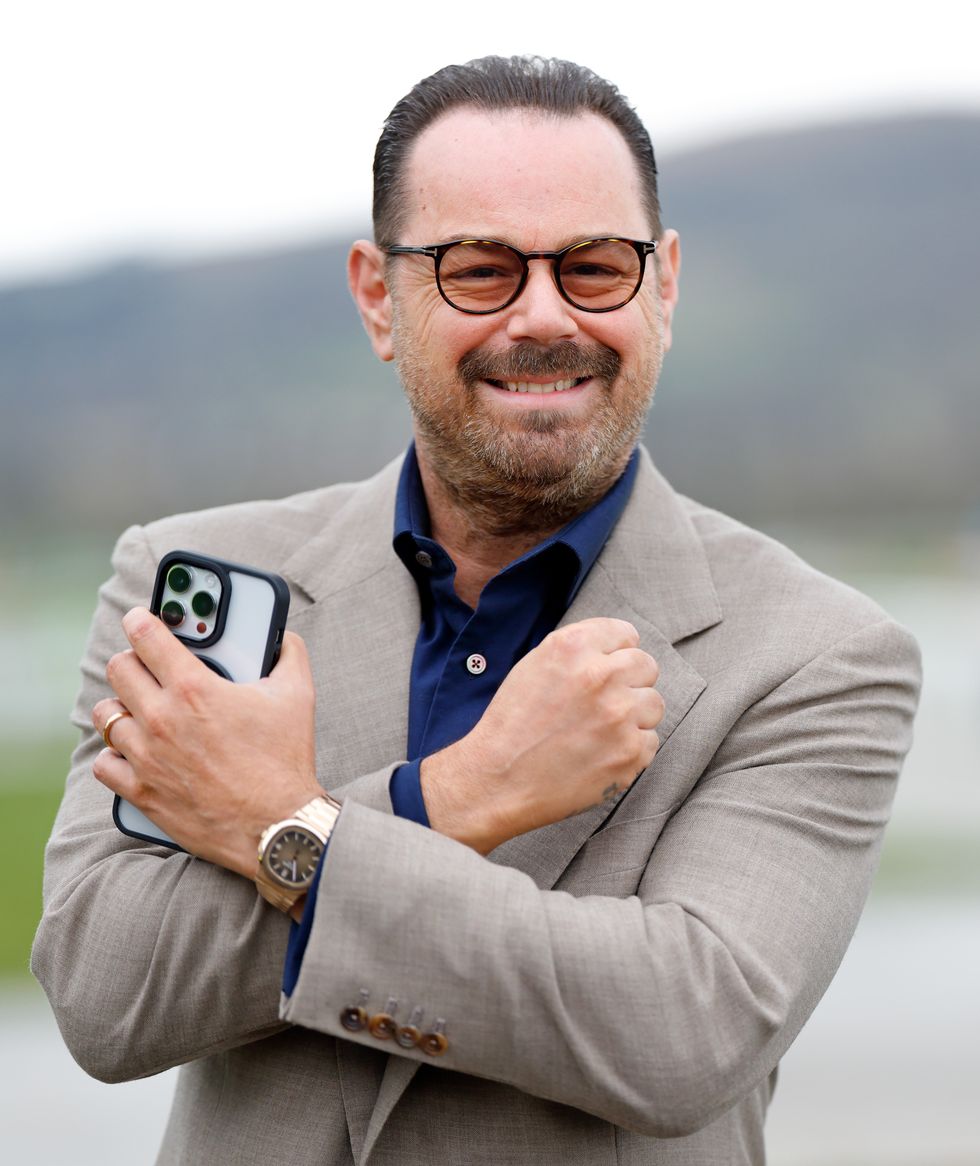
Mr Dyer said caravan holidays hold deep personal meaning for him
| BBCMr Dyer has frequently spoken about his working-class background, criticising inequality in both the arts and British politics.
He has argued that working-class people remain underrepresented in the entertainment industry, claiming only a small percentage are from similar backgrounds, and says early film roles served as his “drama school” due to theatre’s elitism.
Mr Dyer has also called for greater opportunities for young working-class talent, saying he wants to use his platform to open doors in the industry.
Beyond acting, he has defended working-class communities, arguing that the real divide in Britain is between ordinary people and an out-of-touch elite, and has criticised politicians across parties for failing them.
Raised on a council estate in East London, he credits his upbringing with giving him “steel” and shaping his outlook on life and success.