





The BBC TV licence model could be on its deathbed.
According to the BBC, nearly 94% of UK adults tune into its services every month — including live television, radio, BBC iPlayer, BBC Sounds, and its news division. Despite this vast reach, fewer than 80% of UK households pay the £174.50 annual fee, which rises to £180.00 next month.
That's a colossal drop from just a few years ago. Back in 2016/17, more than 90% of homes had a valid TV licence.
In the last decade, the chasm between Britons enjoying content from the BBC and those happily funding it continues to grow. The BBC itself has illustrated that the situation is broken. In its Charter Review response, a 100-page document entitled A BBC For All designed to address concerns about the UK Government's Green Paper on the future of the funding model behind the national broadcaster, the BBC spelt out how serious things have become.
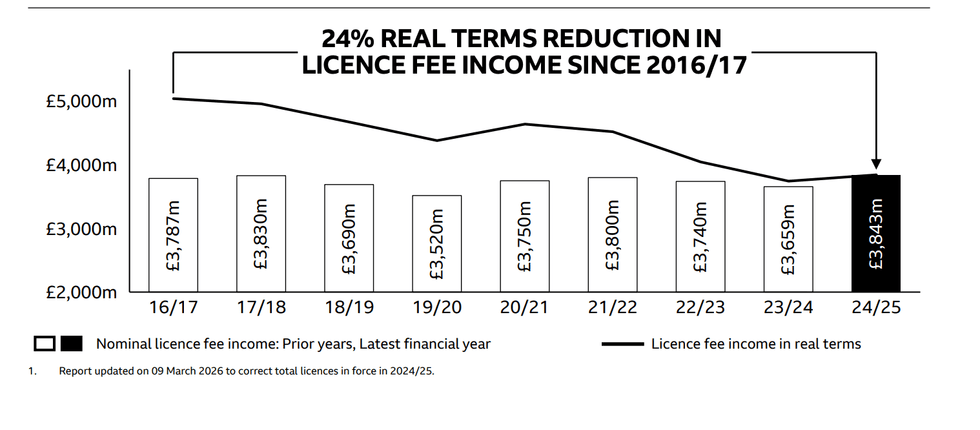
The BBC's real-terms income from the licence fee has dropped by 24% since the current Charter period began
|BBC
According to the document, the real-terms income from the TV licence fee has plummeted 24% since the current Charter period began.
The BBC still collects around £3.8billion from roughly 23 million TV licences in 2024/25, but around £550 million is thought to have been lost through evasion. That's a serious shortfall.
However, it's not that Britons have stopped watching telly altogether. The rules about who needs a licence simply haven't kept up with how the latest content is funnelling through to your TV screens.
The TV licence fee evasion costs the corporation roughly £550 million every year for those who should be paying for the service
| SKY TV PRESS OFFICEA spokesperson for the BBC told GB News: "A TV Licence is needed to watch live content on streaming services, watch or record a TV programme on any channel and when using BBC iPlayer. Further information is available on the TV Licensing website or via the customer services team, who can help with any queries."
If you only stream from services like HBO Max, which launches in the UK this month, Netflix, Disney+ or catch-up shows on ITVX without the live feed, you don't need a TV licence. And given the slew of on-demand content from these streaming services, there's no shortage of choice.
This has caused a shift in viewing habits. Prosecutions for not paying the BBC TV licence have fallen by about 80% since 2019, while the number of households avoiding the fee has more than doubled in the past five years.
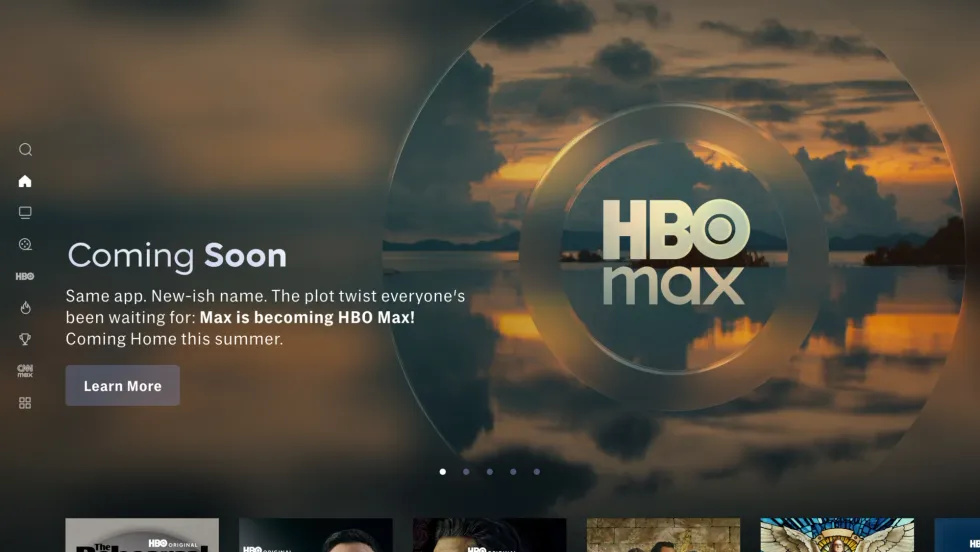
HBO Max — releasing in the UK this month — is a Netflix rival that brings together hit shows, documentaries, and films from the much-loved US network behind the likes of The Last of Us, Game of Thrones, Sex And The City, and many more
| WARNER BROS. DISCOVERY PRESS OFFICEAccording to the BBC, this trend is largely due to changing viewing habits, as more people shift away from traditional live television toward streaming platforms like Netflix and Disney+, making the licence system harder to enforce.
As a result, another 3.6 million homes have legally declared they don't need a licence because they only watch on-demand content from non-BBC services. If those households were paying, it would bring in an extra £617 million.
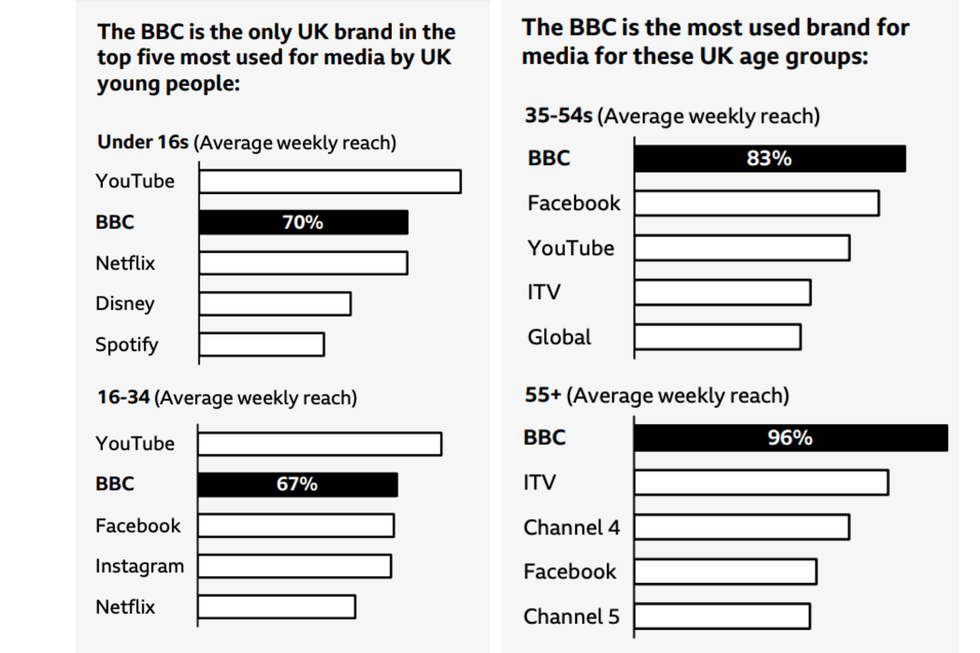
The BBC's average weekly reach is lower in younger age groups in the UK, but it remains among the top five most used for media
|BBC
Add it all together, and you're looking at more than £1.1 billion annually that the BBC isn't collecting.
On top of that, Britons are set to receive a price hike in their TV licence fees starting April 1, 2026. Fees will increase from £174.50 to £180 as part of inflation.
LATEST DEVELOPMENTS
But the biggest shake-up that could push the internet-only television experience further arrived relatively recently from Everyone TV, a joint effort between the UK's biggest broadcasters ― the BBC, ITV, Channel 4, and Channel 5 ― to replicate the experience of watching Freeview and Freesat with only a Wi-Fi connection.
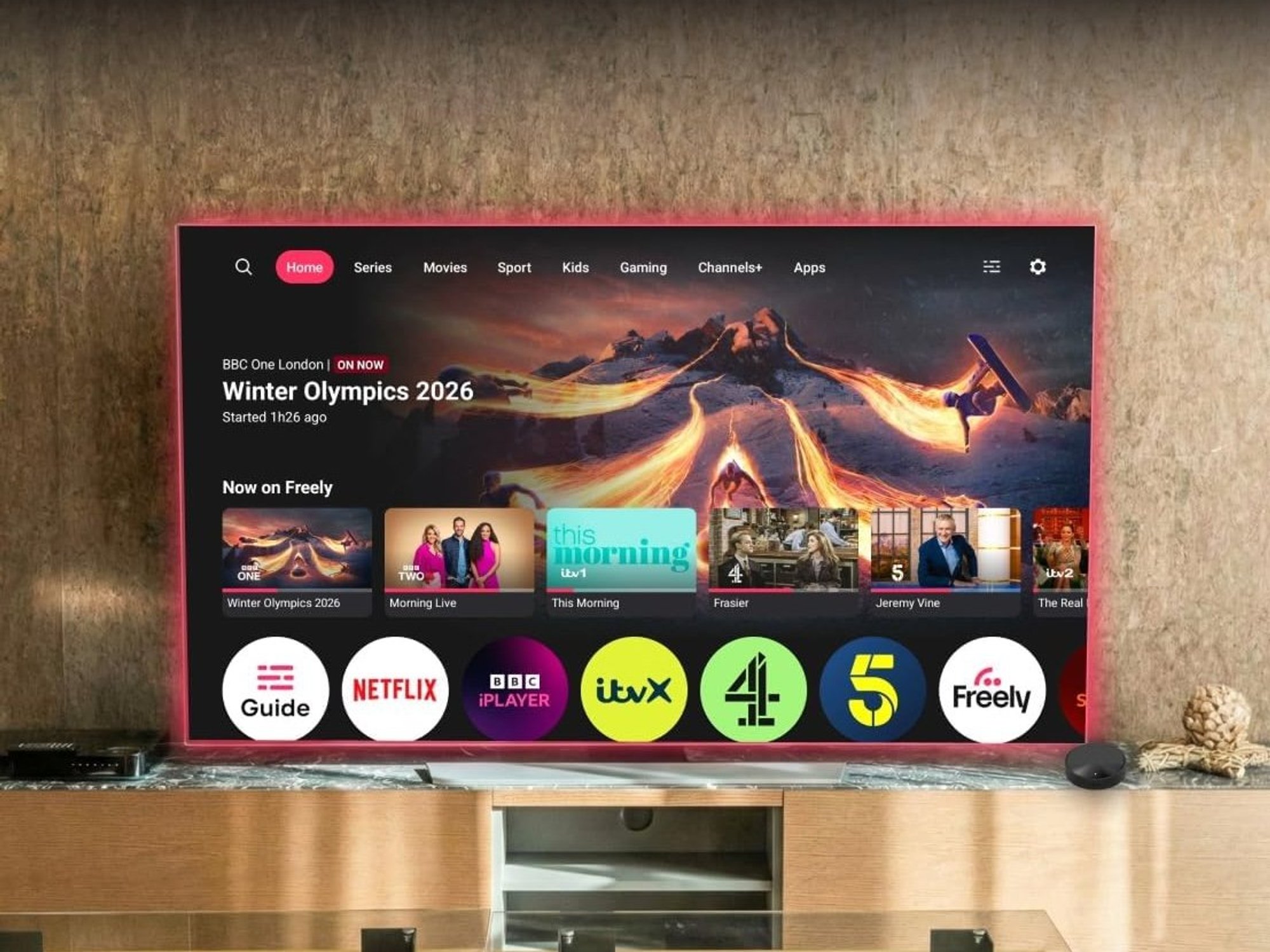
Live free-to-air channels are streamed over broadband, so there's no need to connect your TV to an aerial, meaning it can be positioned anywhere in the home. Everyone TV also runs Freeview and Freesat, although its newest invention is expected to overtake both by the end of the decade.
At launch, Freely was only available on new Smart TVs built from the ground up to support the IP-based platform, there's no pathway to upgrade a Freeview-compatible television to the newer system. But late last year, French manufacturer Netgem launched the first dedicated set-top box to bring Freely to any television.
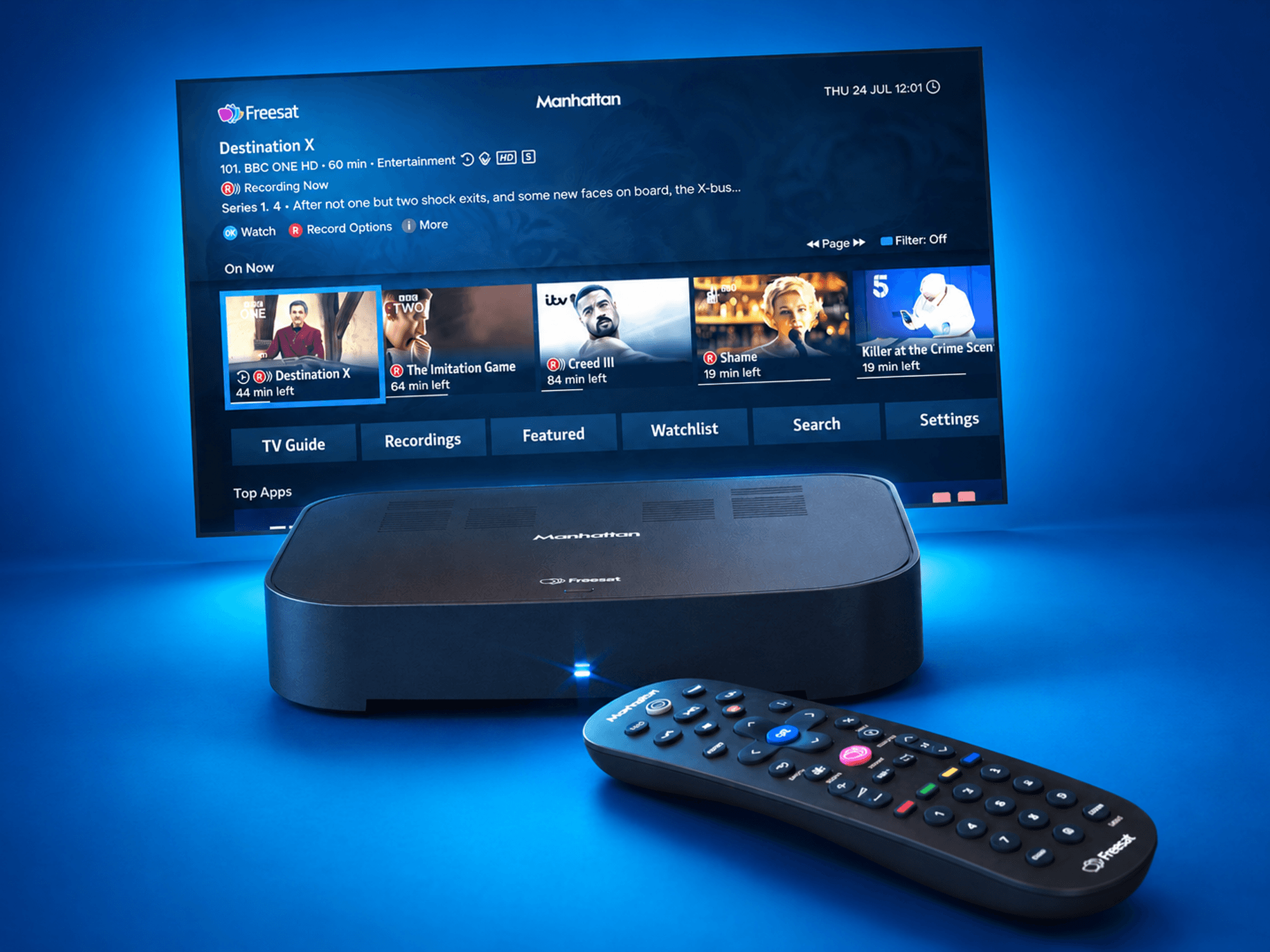
British brand Manhattan has followed up with its Aero 4K Streamer, which brings internet-based live television for a cheaper £69 price tag. Clearly, this is a winning formula, as the new box sold-out within hours.
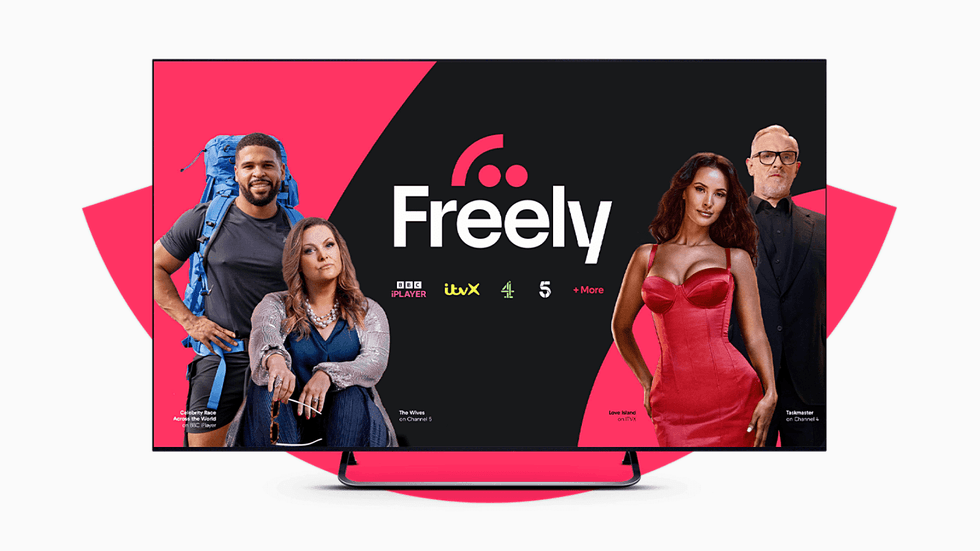 Freely has been built from the ground-up by the same team as Freeview and Freesat, enabling you to stream terrestrial channels via Wi-Fi instead of an aerial | EVERYONE TV PRESS OFFICE
 To combat those who aren't paying the annual fee, BBC Chairman Samir Shah has floated the possibility of linking your TV licence to Council Tax bands. Under this scheme, the flat £174.50 fee — soon to be £180 — would disappear. Instead, wealthier households in higher property bands would pay more, while those in lower bands could end up paying less.
Mr Shah told The Sunday Times this approach "gets rid of the enforcement issue, which is a problem. The idea that not paying the licence fee is a criminal offence seems too harsh."
He's ruled out a Netflix-style subscription, saying it wouldn't meet the BBC's role to offer something for everyone. Advertising would "kill off ITV", he added.
Culture Secretary Lisa Nandy has her own vision. She's previously suggested licence fee payers should become stakeholders with a genuine say in BBC decisions, rather than just handing over money with no accountability.
The current Charter expires at the end of 2027, so decisions are expected to be made down the line.
More From GB News