










Rafael Nadal has revealed the devastating physical toll his legendary tennis career took on his body after finally opening up about the painful foot condition he battled for almost two decades.
The Spanish icon, widely regarded as one of the greatest players in the history of the sport, spent years hiding the extent of the injury problems that threatened to derail his remarkable success on the ATP Tour.
Nadal eventually retired from professional tennis in 2024 after winning 22 Grand Slam titles across an extraordinary 23-year career that cemented his place among the sport’s all-time greats.
But behind the trophies, celebrations and relentless dominance on clay, the former world No 1 was enduring constant pain.
The 39-year-old has now spoken candidly in his Netflix documentary RAFA about the rare degenerative foot condition that haunted much of his career.
Nadal was diagnosed with Muller-Weiss Syndrome in 2005, just four years after turning professional.
The condition affects the tarsal navicular bone in the foot and gradually causes it to collapse and deform over time.
Doctors initially believed Nadal had suffered a simple fracture before later discovering the far more serious issue that would become a recurring nightmare throughout his career.
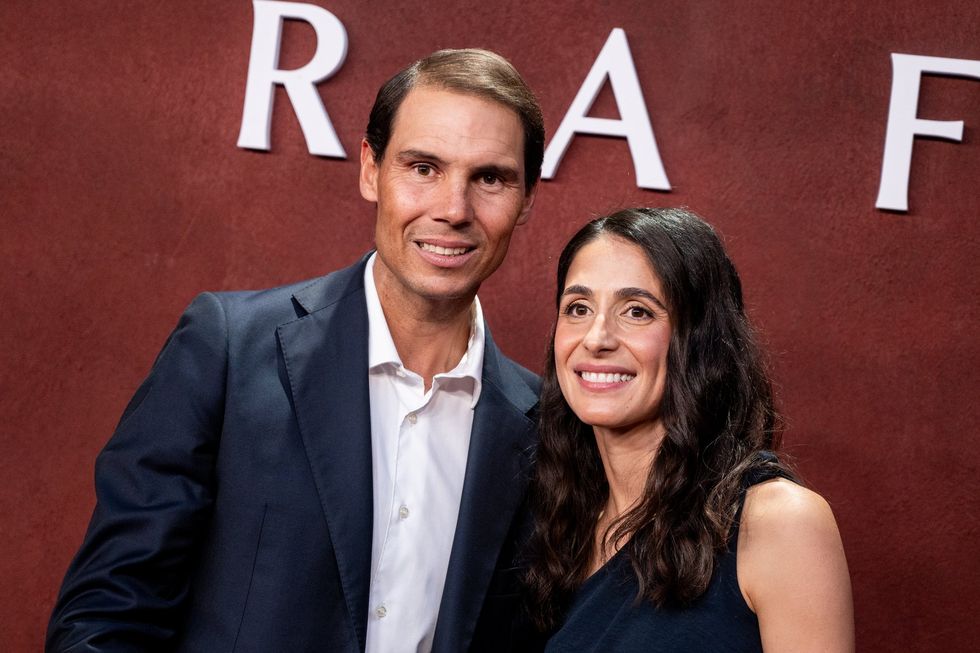
Rafael Nadal is currently enjoying his tennis retirement, having quit the sport back in 2024
|GETTY

Rafael Nadal has revealed the devastating physical toll his legendary tennis career took on his body after finally opening up about the painful foot condition he battled for almost two decades
|NETFLIX
A striking image shown during the documentary revealed the shocking impact the condition had on Nadal’s foot, including a visible bulge across the top area caused by years of damage.
Despite the pain, Nadal continued competing at the highest level and believes his willingness to push his body to the limit played a major role in his incredible Grand Slam haul.
“During my career, I had to make decisions about my health that were right on the limit of what was acceptable,” Nadal admitted.
“Had I not taken those risks, I probably would have ten fewer Grand Slams. Not not one or two, but 10 or 12.”
LATEST SPORTS NEWS:
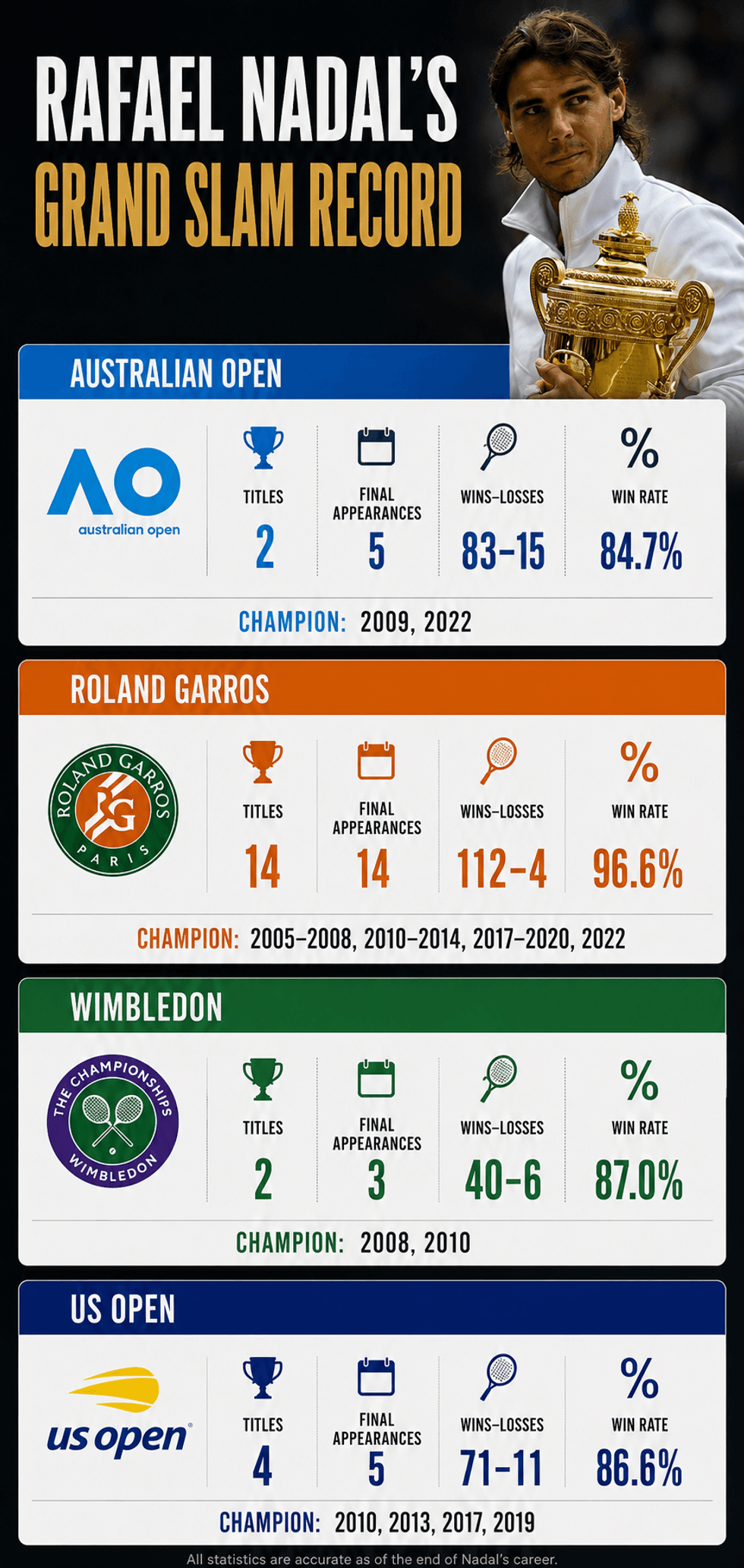
Rafael Nadal won 22 Grand Slams during his career
|PA/GB NEWS
Nadal’s astonishing resilience became one of the defining features of his career, particularly at the French Open where he won a record 14 titles and earned the nickname ‘King of Clay’.
Yet the documentary also revealed the darker side of the sacrifices he made to stay competitive against rivals such as Roger Federer and Novak Djokovic.
The Spaniard disclosed that years of relying heavily on anti-inflammatory medication eventually caused serious internal damage.
“There was a time when I was living with constant pain,” Nadal explained.
“And there were many days when I had arguments with my physio about whether I should take anti-inflammatories or not.”
Nadal said there came a point where he took control of his own pain management despite understanding the dangers involved.

Rafael Nadal established himself as the King of Clay during his glittering career
| GETTY“He had them; I would ask him for them, and he would give them to me. He was the one in charge,” he said.
“And then one day I said, ‘well, when you say there’s a line between what’s right and wrong, well, now I’m the one who decides when to take anti-inflammatories, when not to take them, how many I take or how many I don’t take’.”
The tennis legend admitted the medication ultimately caused two perforations in his intestines.
“So when I say there’s a line between what’s right and wrong, it’s because, ultimately, I know it’s harmful to my body,” Nadal continued.
“In fact, as I said, I have two perforations in my intestines from taking so many anti-inflammatories.
“But if it hadn’t been for that, my career would have been completely different.”