








Welcome to Tottenham Hotspur, the undisputed graveyard of managerial reputations.
If there was a trophy for institutional dysfunction, the gleaming cabinet inside the Tottenham Hotspur Stadium would finally be full.
The abrupt departure of Igor Tudor confirms what rival fans have been laughing about for years: Spurs have officially become the most embarrassing football club in England.
The Croatian’s exit is not just another managerial sacking; it is a damning indictment of a club completely devoid of direction, sporting a squad severely lacking in quality, and operating under a hierarchy that seemingly learns nothing from its past mistakes.
To be brutally honest. it is embarrassing that Tottenham ever appointed Tudor in the first place.
Tudor is a hardline, abrasive pragmatist whose intense, demanding style requires absolute buy-in from a squad willing to run through brick walls for him.
Handing him the keys to the Spurs dressing room, a famously fragile environment that has already chewed up and spat out some of the most decorated managers in world football, was an act of spectacular self-sabotage.
It was a mismatch of philosophies so glaring that anyone outside the boardroom could see the car crash coming.
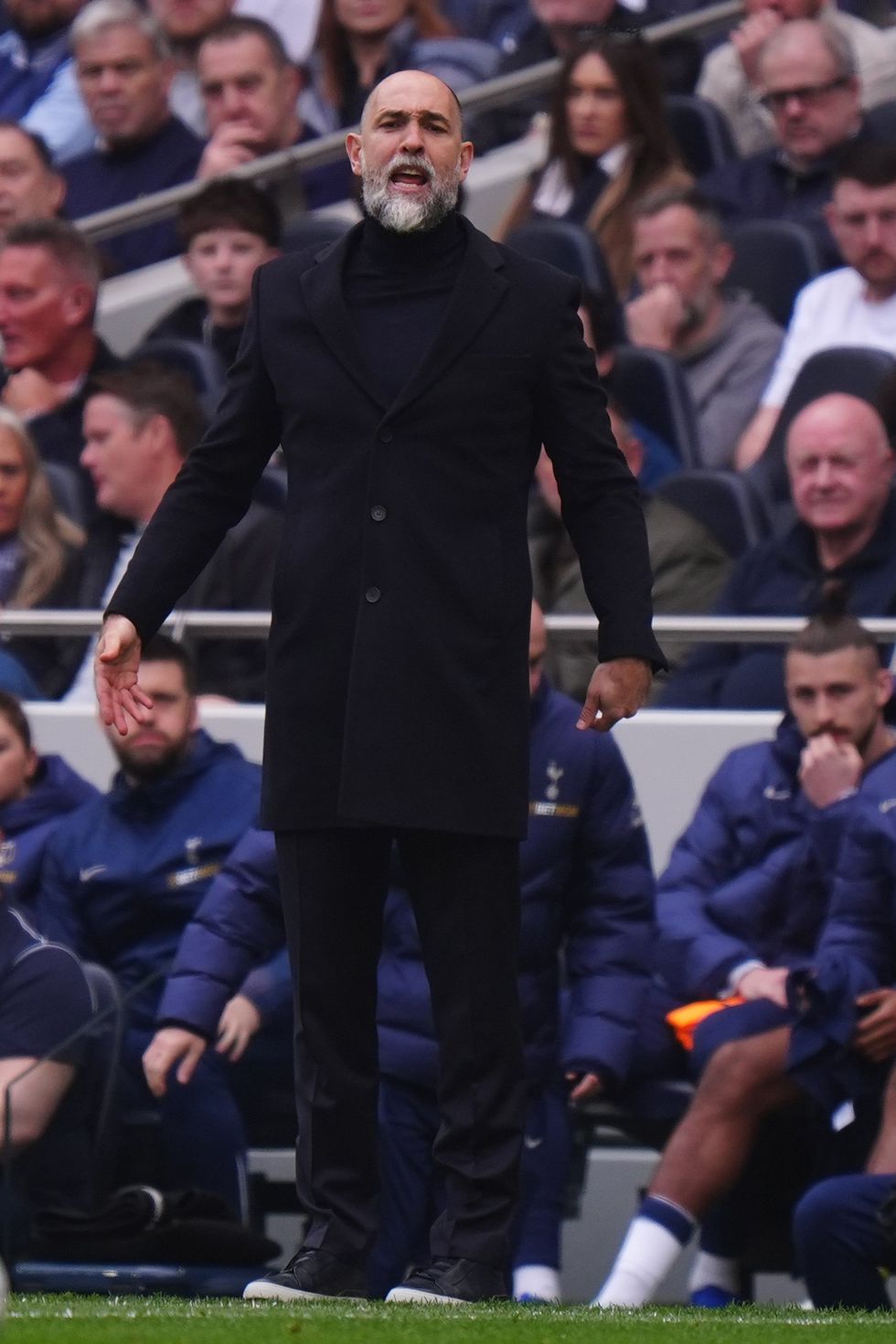 Igor Tudor won just one of his seven matches in charge of Tottenham | PA
Bringing in a notoriously combustible figure to spark a reaction from a passive squad wasn't a tactical masterstroke.
It was a desperate roll of the dice from a club that has entirely lost its identity.
The numbers, ever since, have made for grim reading.
Tudor leaves north London with a genuinely abysmal record of just one win in seven matches, with that sole victory coming against Atletico Madrid in the Champions League when the tie was effectively over.
LATEST SPORTS NEWS:
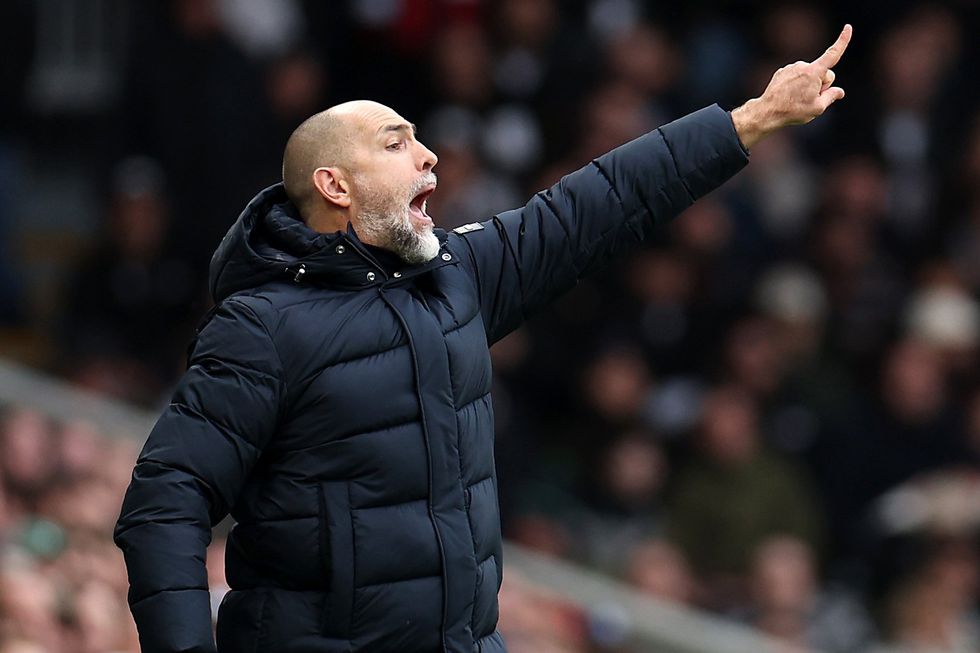
Igor Tudor experienced a nightmare start to life at Tottenham and ultimately never recovered
| GETTYThere was no "new manager bounce." There was no tactical revolution.
Instead, fans were subjected to a turgid, disjointed brand of football that looked entirely devoid of belief.
To secure only a single victory in seven outings highlights a complete collapse on the pitch.
The players looked lost in Tudor's system, and the manager looked entirely incapable of motivating a group that, quite frankly, looked like they would rather be anywhere else.
Of course, the manager will carry the can - that is the nature of the beast - but the spotlight must immediately turn to the players. To put it bluntly: this squad is woeful.
Time and time again, managers are sacrificed to protect a group of players who simply do not possess the quality, mentality, or backbone required to compete at the top of the Premier League.
At the first sign of adversity, they fold. They boast a starting XI littered with overpaid individuals coasting on past reputations rather than current form. There is also a vaccum of on-pitch leadership when the chips are down.
This, effectively, makes the role the ultimate poisoned chalice in the Premier League.
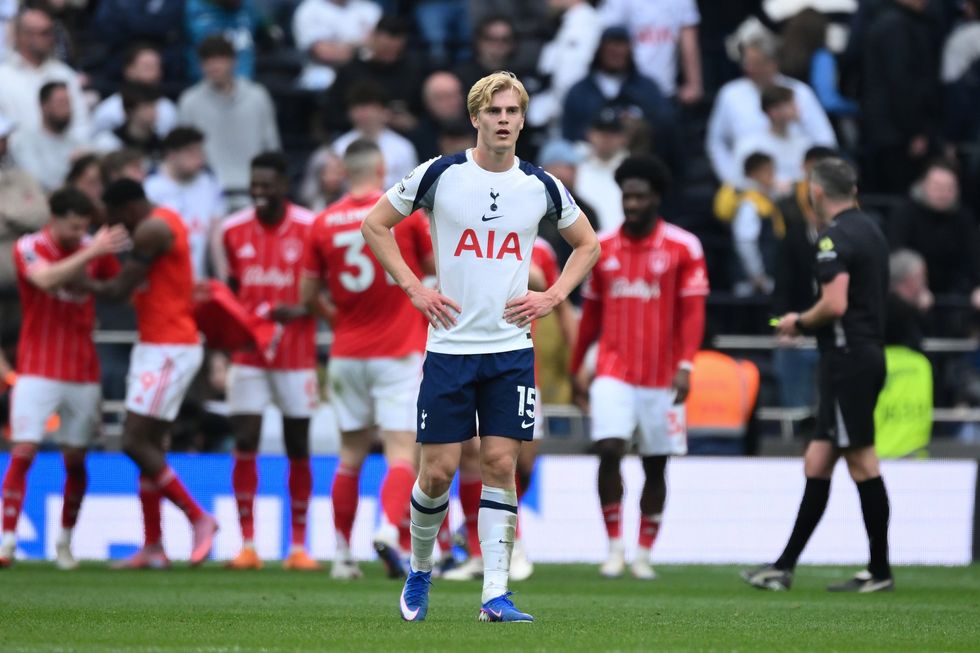
Tottenham have been dreadful under Igor Tudor and are fighting to stay in the Premier League
|GETTY
It is a vanity project disguised as a football club.
They boast a world-class stadium, a state-of-the-art training facility, and global commercial reach, yet the actual football operation is rotten to its core.
Successive managers, from serial winners to progressive project-builders, have all hit the exact same brick wall.
It begs the question: what self-respecting, elite manager would even want this job now?
Spurs are miles away.
They are miles away from Arsenal, miles away from Manchester City, and miles away from the European elite they so desperately pretend to be a part of.
Until the deep-rooted cultural and structural issues are addressed from the top down, the manager's identity is entirely irrelevant.
Tudor was just the latest casualty in English football's longest-running tragedy.