




Britain is preparing to take former Chelsea owner Roman Abramovich to court in a bid to seize the £2.5billion proceeds from the sale of the club and redirect the money to humanitarian relief in Ukraine, Sir Keir Starmer has warned, escalating a long-running standoff over funds frozen since 2022.
The Prime Minister told the House of Commons that Abramovich had been given a final opportunity to honour the commitment made when Chelsea was sold following Russia’s invasion of Ukraine.
If the Russian oligarch fails to release the money voluntarily, the Government is ready to pursue legal action to ensure it is transferred regardless.
Speaking during Prime Minister’s Questions in response to Labour MP Jessica Morden, Sir Keir said the Government had been working closely with international allies to unlock frozen Russian assets for the benefit of Ukrainians affected by the war.
TRENDING
Stories
Videos
Your Say
He confirmed that a licence has now been issued to allow the transfer of the Chelsea sale proceeds, which have remained immobilised for more than three years.
“We have been working on an update with our allies on frozen Russian assets to support Ukrainians in their hour of need,” Sir Keir told MPs.
“Today, I can announce that we’re issuing a licence to transfer £2.5 billion from the sale of Chelsea Football Club, that’s been frozen, those funds, since 2022.
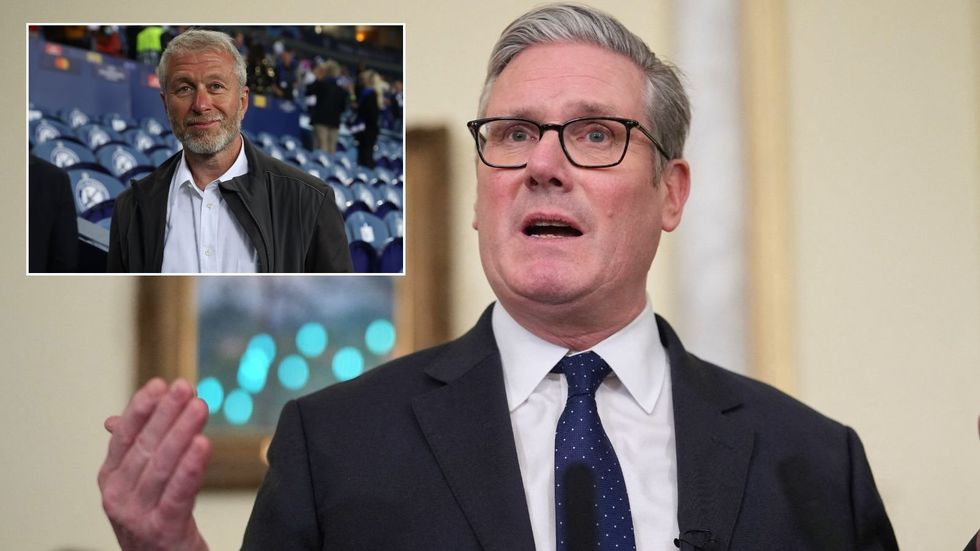
Britain is preparing to take former Chelsea owner Roman Abramovich to court in a bid to seize the £2.5 billion proceeds from the sale of the club and redirect the money to humanitarian relief in Ukraine, Sir Keir Starmer has warned, escalating a long-running standoff over funds frozen since 2022
|GETTY
“My message to Abramovich is this: the clock is ticking, honour the commitment that you made and pay up now, and if you don’t, we’re prepared to go to court so every penny reaches those whose lives have been torn apart by Putin’s illegal war.”
Abramovich sold Chelsea in May 2022 after being sanctioned by the UK Government over alleged links to the Kremlin, which he has consistently denied.
The sale was fast-tracked under a special licence that allowed the club to change ownership but froze the proceeds, on the condition that the money would be donated to charitable causes supporting victims of the war in Ukraine.
LATEST SPORTS NEWS:
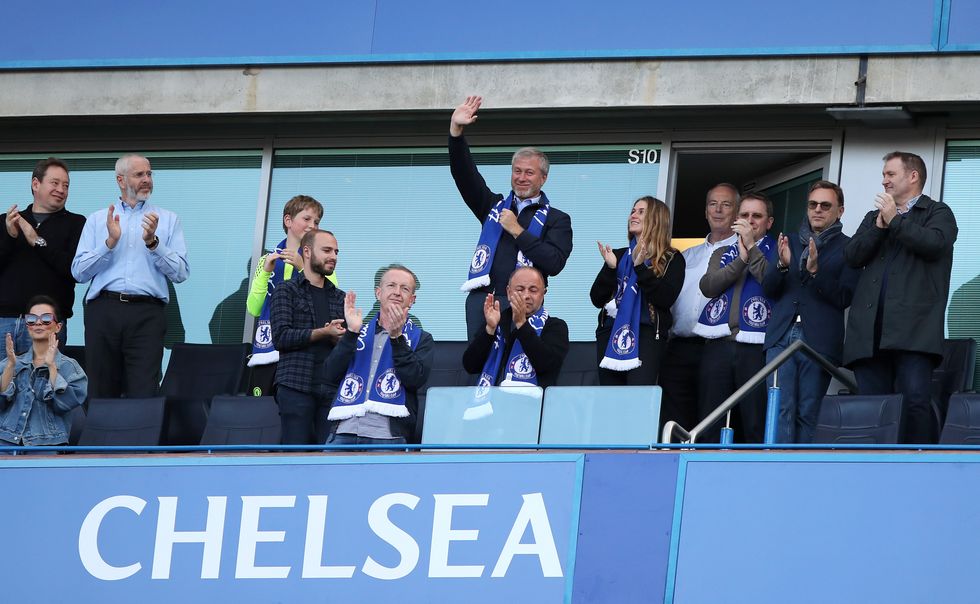 Roman Abramovich was a popular owner during his time at Chelsea | PA
Despite repeated negotiations, the funds have remained untouched, caught in legal and diplomatic limbo.
The renewed pressure brings an extraordinary chapter in English football into sharper political focus.
Abramovich’s 19-year ownership of Chelsea transformed the club and, arguably, the Premier League itself.
After buying Chelsea in 2003 for £140million, Abramovich ushered in an era of unprecedented spending, elite managers and relentless success.
Under his stewardship, Chelsea won five Premier League titles, two Champions Leagues, five FA Cups and two Europa Leagues, becoming one of the dominant forces in European football.
Abramovich’s approach, marked by heavy investment and ruthless decision-making, reshaped expectations across the sport.
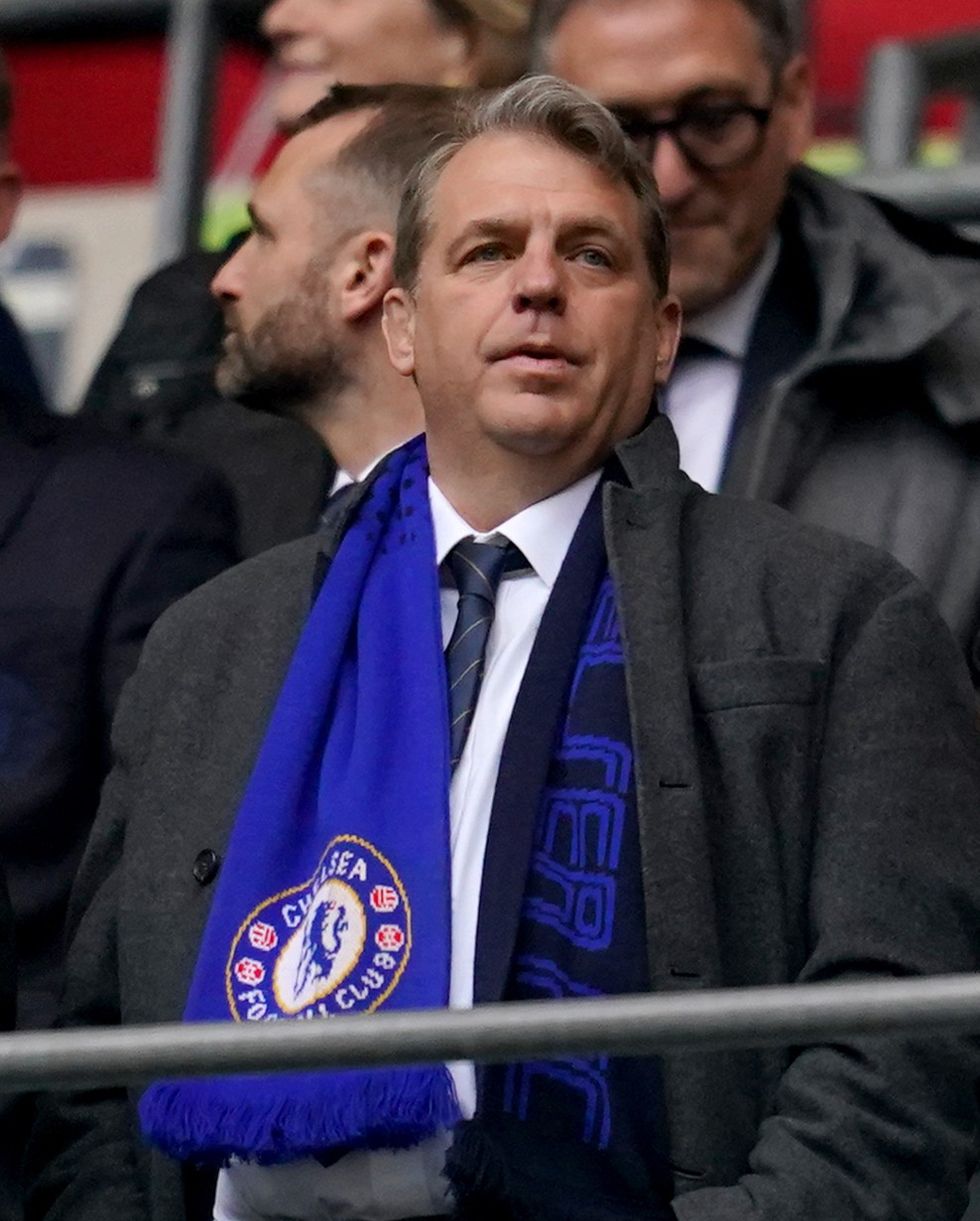 Todd Boehly led the consortium that bought Chelsea in 2022 | PA
Managers came and went at speed, trophies were demanded, and Chelsea’s success accelerated the commercial and competitive arms race that defines the modern game.
Yet his ownership also attracted scrutiny, with critics questioning the source of his wealth and the influence of oligarch money in British football long before the invasion of Ukraine forced the issue into the open.
When sanctions were imposed, Chelsea was placed under severe operating restrictions, unable to sell tickets or sign players, prompting fears for the club’s future.
The eventual £2.5bn sale to the Todd Boehly-Clearlake Capital consortium was hailed as a rescue, stabilising the club while severing ties with its most controversial benefactor.
More than three years on, however, the unresolved fate of the sale proceeds has become a diplomatic flashpoint.