






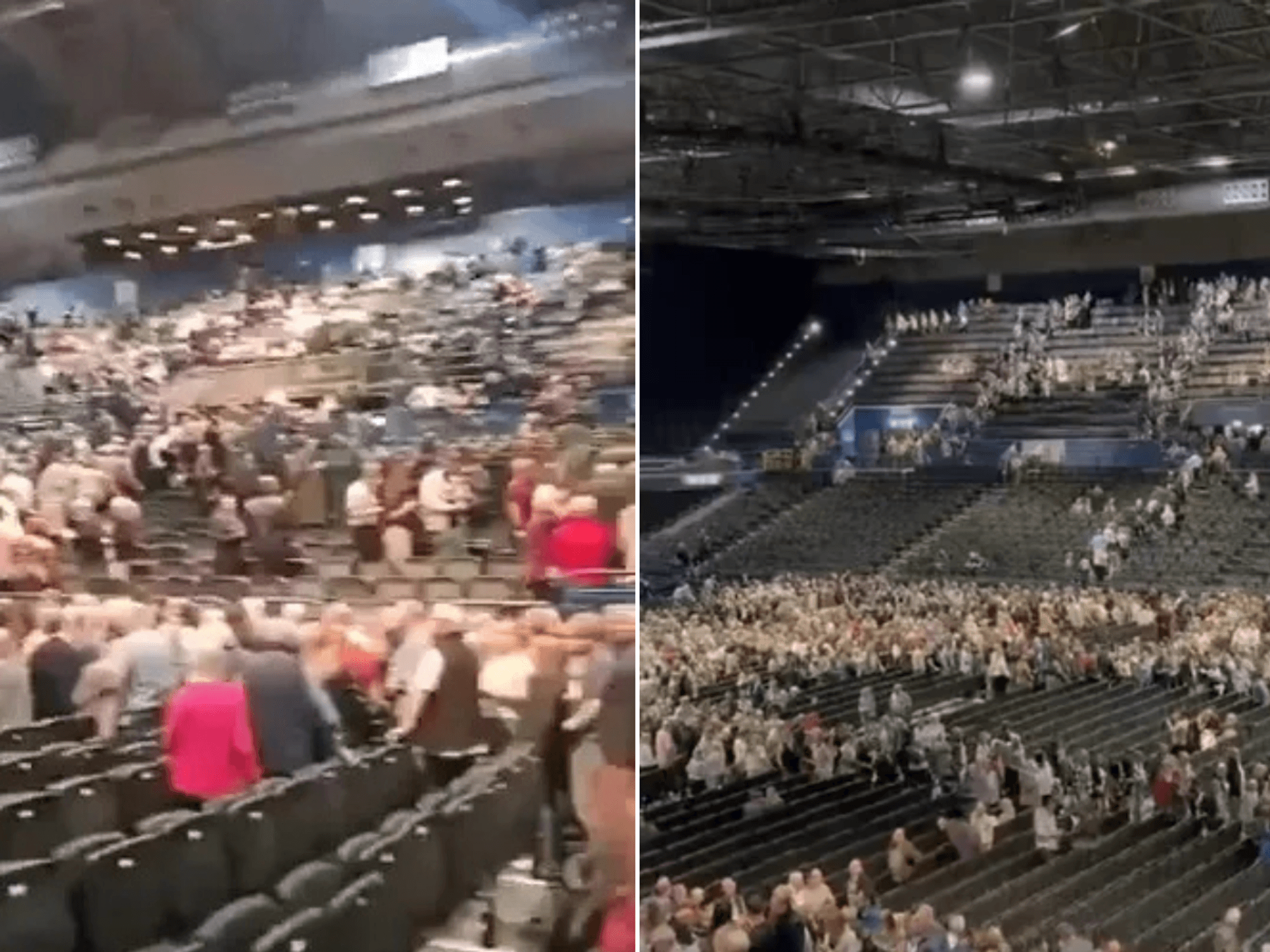



FIFA has taken the unprecedented step of repositioning next season's international break to coincide with the Easter holiday period, effectively eliminating Premier League and Championship matches over the long weekend for the first time in more than a century.
World football's governing body shifted the break to encompass both Good Friday and Easter Monday, a decision anticipated to provoke significant anger among supporters and clubs alike.
The top flight typically schedules a full round of fixtures during Easter, whilst the second tier traditionally hosts two complete matchdays, making this a particularly disruptive change to the English football calendar.
The affected dates fall on March 26 and March 29, with domestic league action grinding to a halt while international fixtures take priority, according to the Daily Mail.
TRENDING
Stories
Videos
Your Say
Most national team matches are expected to be staged on the Saturday and Tuesday during this period.
Club football will return on April 3 when the FA Cup quarter-finals take place, marking the resumption of competitive action following the extended pause.
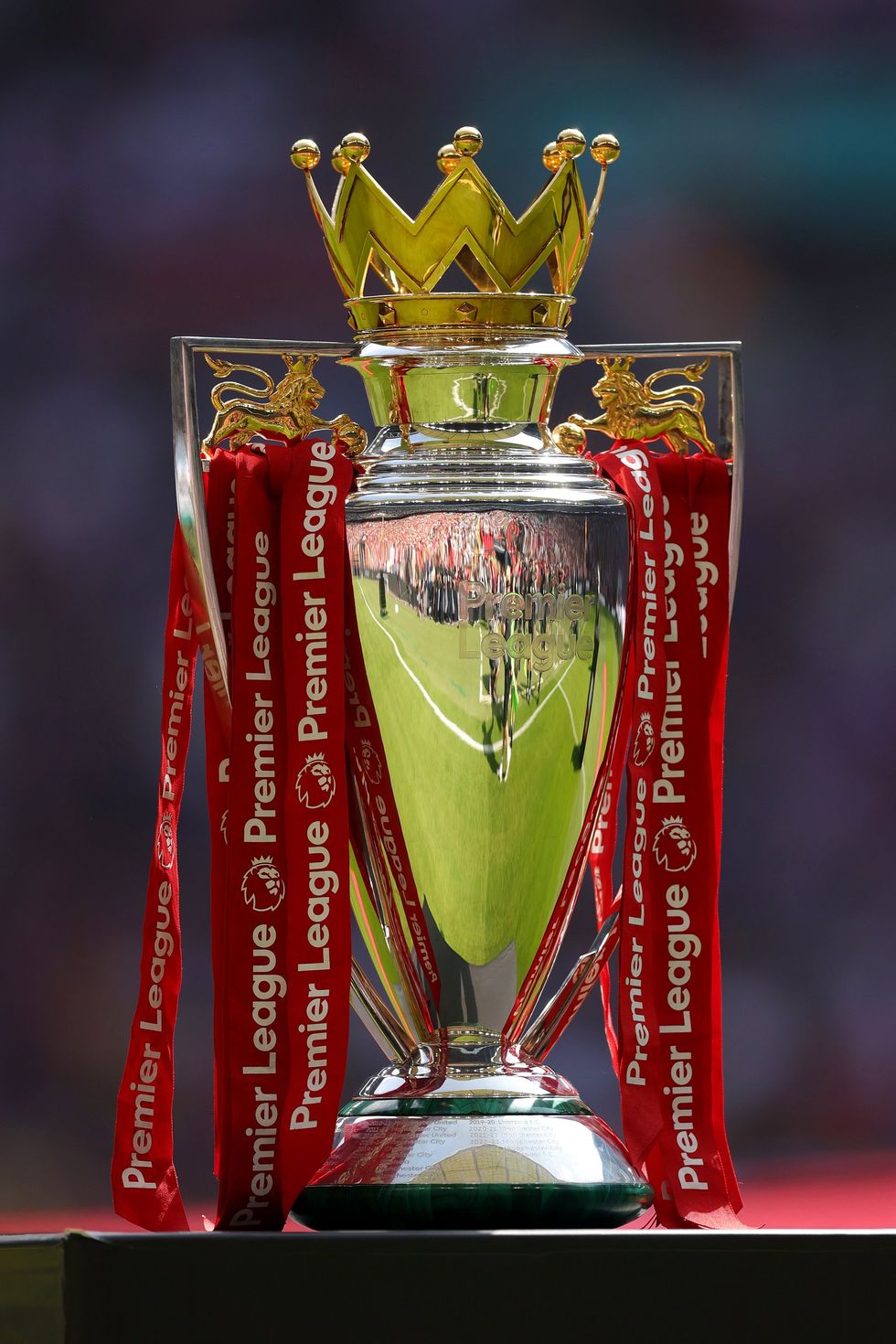
FIFA has taken the unprecedented step of repositioning next season's international break to coincide with the Easter holiday period, effectively eliminating Premier League and Championship matches over the long weekend for the first time in more than a century
|GETTY
This season's calendar sees the fortnight-long international window commence after the March 21-22 weekend, but the following campaign will see that break extended to cover the traditional Easter programme entirely.
Football matches during the Easter period have formed part of English football's fabric for well over a century, with the inaugural Easter Saturday fixture taking place in 1889.
LATEST SPORTS NEWS:
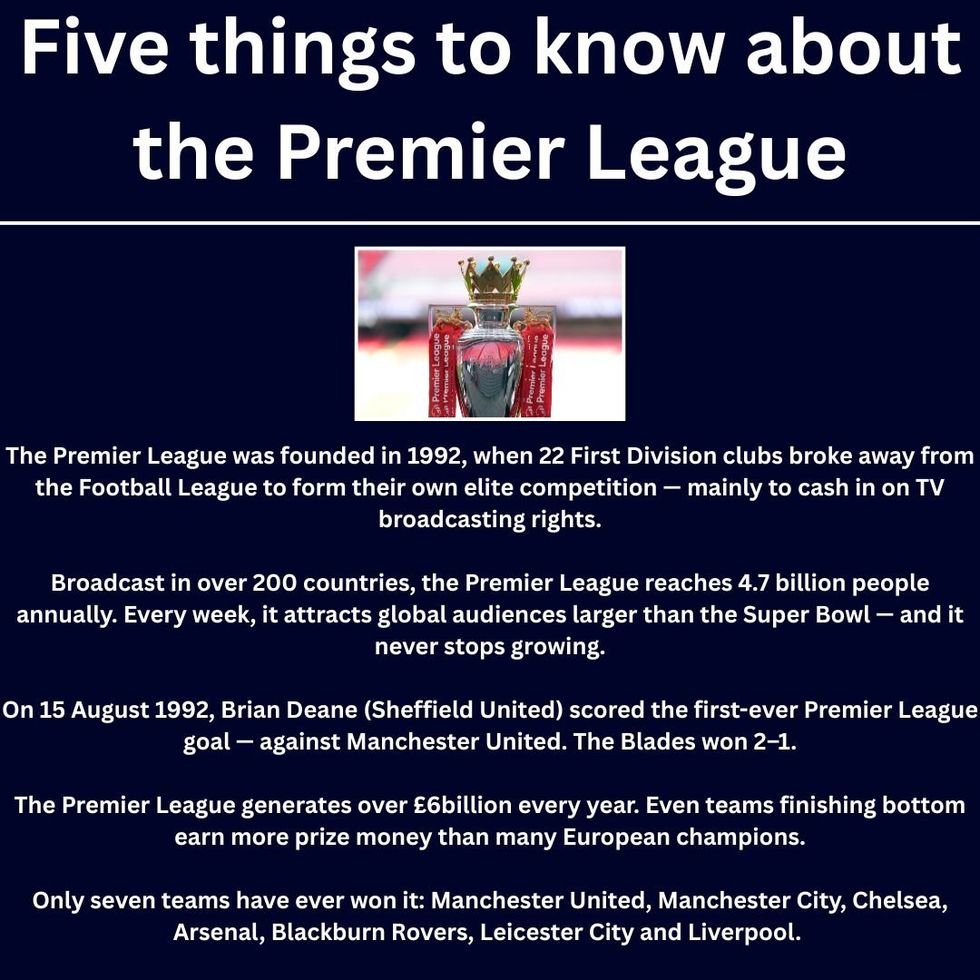 Five facts about the Premier League | PA/GETTY/REUTERS/GBNEWS
Top-flight clubs began competing on Easter Monday three years later in 1892, establishing a tradition that has endured ever since.
According to insiders, FIFA implemented this calendar change without any consultation with domestic leagues, despite mounting concerns over fixture congestion across European football.
Since 2012, Premier League sides have contested a single match over the Easter weekend rather than two, while EFL clubs continue to play twice during the holiday period.
Beyond the Easter disruption, next season's calendar features a consolidated international window in autumn that will see both the Premier League and Championship suspend play after September 19, with matches not resuming until October 10.
The EFL campaign will commence earlier than usual, with Carabao Cup first-round ties scheduled for August 8.
League fixtures across the Football League will begin the following week on August 15, whilst the Premier League kicks off on August 22.
With Boxing Day landing on a Saturday next season, a fuller festive programme appears likely, contrasting with this campaign when just one top-flight match was held on the traditional Christmas date.
That match ended in a 1-0 win for Manchester United over Newcastle, with Patrick Dorgu netting the only goal of the game.