








Sentimentality has no place in the unforgiving pursuit of elite silverware.
Yet, year after year, some of the most astute tactical minds in world football fall victim to a bizarre, self-sabotaging romanticism: the tradition of the ‘cup keeper’.
This weekend, as the blue-and-white confetti rained down on the Wembley turf to celebrate Manchester City’s Carabao Cup triumph, Arsenal were left to rue a bitter, self-inflicted wound.
It is, without a doubt, a defeat that must surely serve as the end for the policy of rotating goalkeepers in major finals.
TRENDING
Stories
Videos
Your Say
Kepa Arrizabalaga, deployed in place of the undisputed No 1 David Raya, made a catastrophic error that gifted City their opening goal. Nico O'Reilly, the star of the show, was then able to head home the opener.
Whether it was rustiness, a lack of match rhythm, or simply the magnitude of the occasion, Kepa hesitated when decisiveness was paramount. Against Pep Guardola's swashbuckling outfit, such moments often prove fatal.
Mikel Arteta’s decision to bench Raya, a goalkeeper whose sweeping ability, aerial dominance, and telepathic understanding with William Saliba and Gabriel Magalhaes have been the bedrock of Arsenal’s recent stability, felt entirely at odds with the stakes.
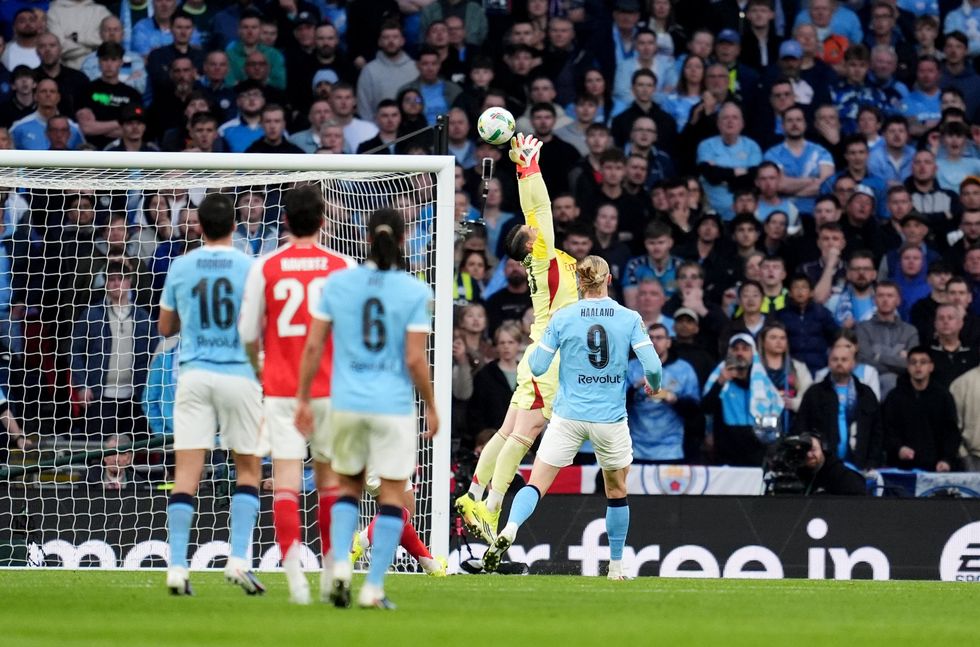 Kepa Arrizabalaga endured a nightmare afternoon as Arsenal lost to Man City in Sunday's Carabao Cup final | PA
Raya is not merely a shot-stopper; he is the origin point of Arsenal’s entire tactical structure.
To remove that linchpin for a cup final, simply to honour a gentleman’s agreement forged in the early, low-stakes rounds of the competition, is an abdication of elite ruthlessness.
In fairness, the counter-argument was unfolding at the opposite end of the pitch.
LATEST SPORTS NEWS:
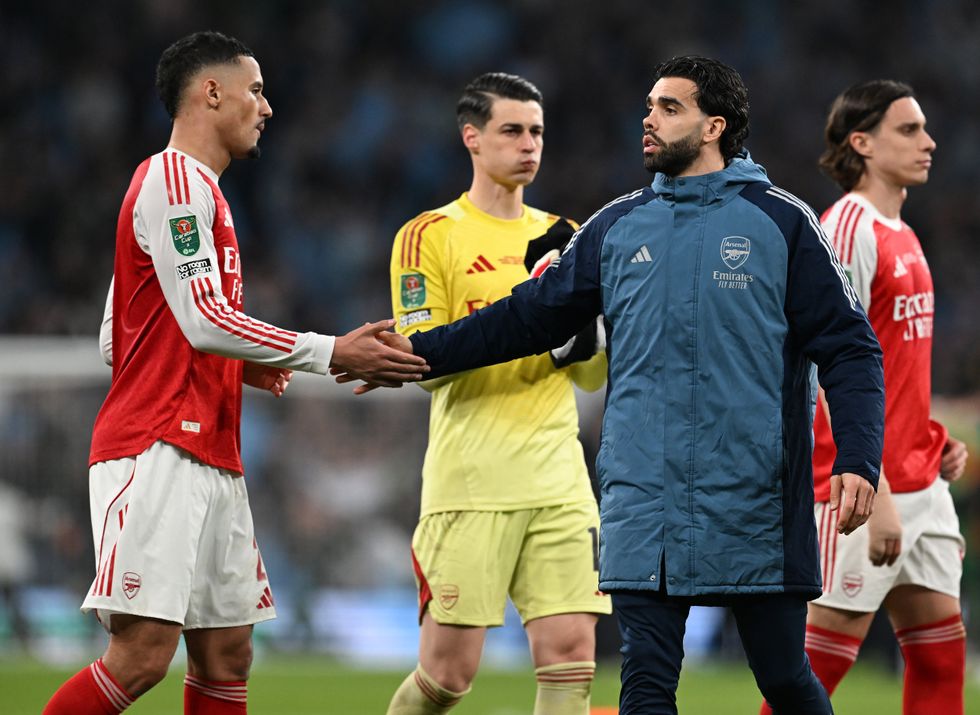
David Raya was on the bench as Man City beat Arsenal in the final of the Carabao Cup
|GETTY
James Trafford, deputising for City in place of Gianluigi Donnarumma, enjoyed an outstanding afternoon. Trafford was commanding, aerially secure, and composed with his distribution, wholly validating his manager’s faith.
Supporters of the cup keeper tradition will point to Trafford’s heroics as evidence that the system works, that keeping a squad happy and rewarding domestic cup loyalty yields dividends.
But Trafford is, essentially, the exception to the rule.
Time after time, picking the No 2 goalkeeper has proved costly. The 2022 FA Cup semi-final is proof of this, where Zack Steffen, City’s designated cup keeper at the time, was caught hopelessly dawdling on the ball, allowing Sadio Mane to slide-tackle the ball into the net and hand Liverpool the initiative.
Or consider the 2015 FA Cup final, when Aston Villa stubbornly stood by cup keeper Shay Given over Brad Guzan, only to suffer a heavy defeat as Arsenal ruthlessly exploited a fragmented defence.
Ironically, Kepa himself embodies the volatility of this exact scenario; his infamous refusal to be substituted in the 2019 Carabao Cup final, and his skies-bound penalty miss in the 2022 iteration of the same fixture, remain cautionary tales of what happens when the natural hierarchy is disrupted on the biggest stage.
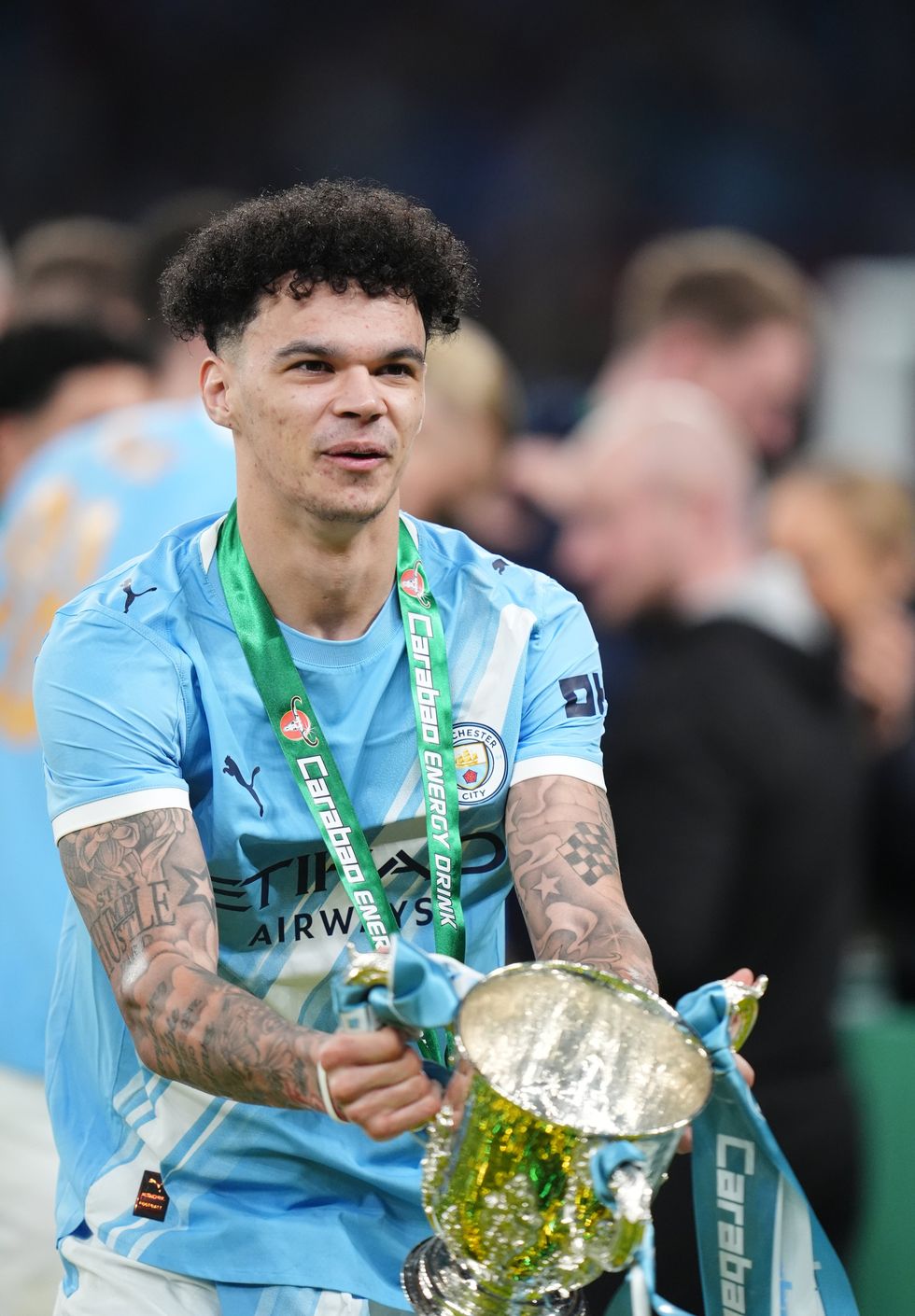 Nico O'Reilly scored twice as Man City beat Arsenal to win the Carabao Cup | PA
Managers justify the cup keeper policy as a necessary tool for squad harmony.
In an era of gruelling, 60-game seasons, the No 2 must be kept engaged.
That logic is perfectly sound for a freezing Tuesday night at an EFL League One ground in the third round. But a cup final is not a participation exercise, it is the culmination of a campaign.
When a trophy is 90 minutes away, you do not leave your best players on the bench. You pick them, and then you'll reap the rewards.
Arsenal’s defeat at Wembley was a harsh, entirely avoidable lesson.
In modern football, the margins at the summit are far too microscopic to accommodate sentimentality. The romantic era of the cup keeper is over; it is time managers finally accepted it.