










Formula One finds itself embroiled in a significant technical dispute mere days before the 2026 season commences, with rival manufacturers at loggerheads over alleged exploitation of new engine compression ratio rules.
The controversy centres on claims that Mercedes and Red Bull have secured a substantial advantage through their interpretation of regulations governing cylinder compression ratios.
Representatives from all five power unit suppliers – Ferrari, Mercedes, Red Bull, Honda and Audi – will convene with the FIA on Thursday ahead of pre-season testing in Barcelona.
At stake is a potential performance gap estimated at between 0.3 and 0.4 seconds per lap, a margin that could prove decisive across an entire championship campaign.
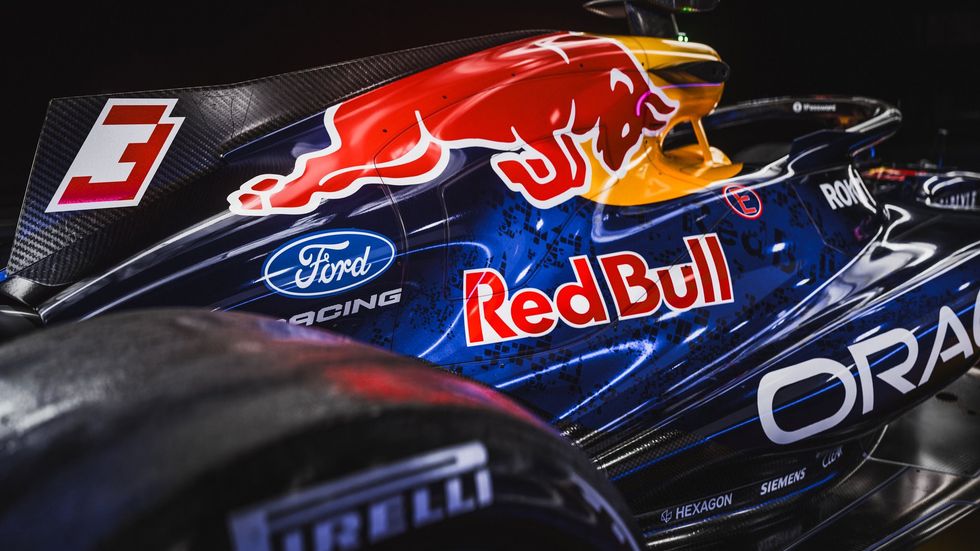
A major row has broken out in F1 over cylinder compression ratios
|PA
The row has intensified to such a degree that Ferrari, Audi and Honda have formally written to motorsport's governing body expressing their alarm.
Graeme Lowdon, team principal of the incoming Cadillac outfit, has adopted an uncompromising position on the matter.
Speaking at the Autosport Business Exchange event in London on Wednesday, the Englishman maintained that power unit manufacturers were left in no doubt last year about the regulations.
"The regulations clearly state that the compression ratio of the single cylinder should not be greater than 16:1," he said. "That rule was brought in specifically to attract new PU manufacturers. No other reason."
Lowdon emphasised that the limit was absolute, regardless of measurement conditions.
"It is extremely clear. It can't be 18:1 on a Tuesday or 17:1 on a Wednesday or anything else. It is 16:1 maximum, and that's it."
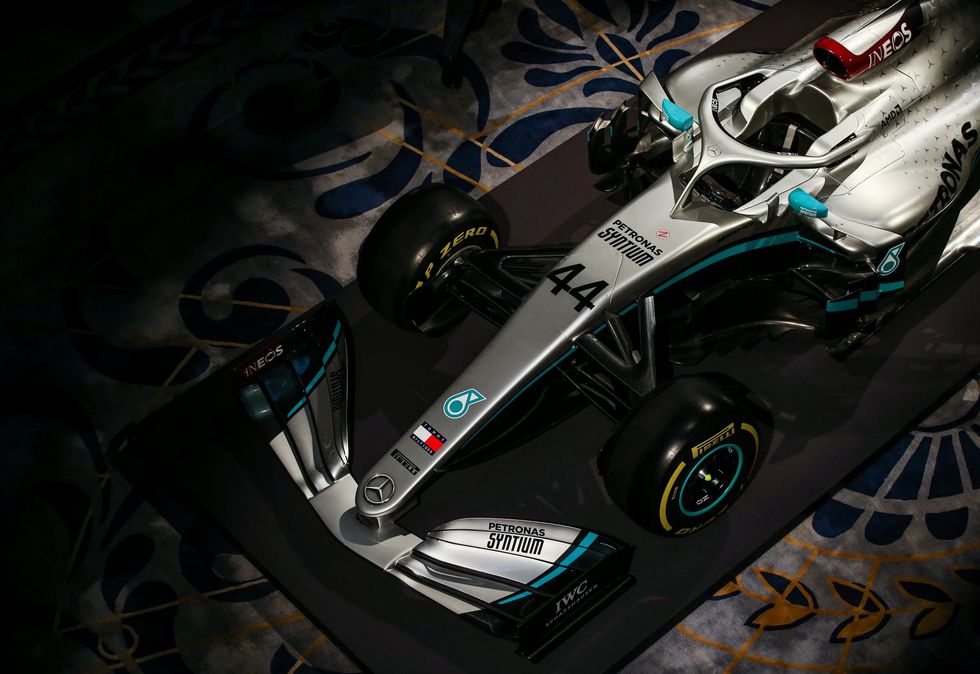 Ferrari, Honda and Audi have lodged complaints amid concerns over Mercedes and Red Bull | PA
The Cadillac chief, whose team will run Ferrari engines in their maiden campaign, acknowledged the allegations remained "hearsay and rumour" but insisted there could be no justification for exceeding the threshold.
Red Bull's technical director Ben Hodgkinson has mounted a robust defence of his team's approach, dismissing suggestions of impropriety.
The former Mercedes engineer, who spent two decades developing power units at the Brackley-based outfit, expressed complete confidence in the legality of their work.
"I know what we're doing. I'm confident that what we're doing is legal," he said. "Of course, we've taken it right to the very limit of what the regulations allow. I'd be surprised if everyone hasn't done that."
Hodgkinson argued that understanding thermal behaviour was elementary for any competent engineer.
"Any engineer that doesn't understand about thermal expansion doesn't belong in this sport, doesn't deserve to be an engineer really," he added. "Understanding how materials behave in different temperatures, pressures, stresses, loads – that's literally our job."
Nikolas Tombazis, the FIA's single-seater director, sought to calm tensions at the same London event, suggesting the dispute had been overblown.
"I certainly wouldn't call this a serious problem," he said. "I don't think it's anywhere near the level of, let's say, controversy we've had in some previous sets of new rules."
The Greek official insisted the performance differential was far smaller than rivals feared.
"We are talking about very, very small amounts of performance. But nonetheless, people are getting very jumpy."
Tombazis drew a distinction with the infamous double-diffuser affair of 2009, when Brawn GP dominated the opening races through a regulatory loophole.
He expressed confidence the matter would be settled imminently.
"I'm sure it will no longer be a talking point very, very soon."
Not everyone shared Tombazis's sanguine assessment, however.
A source at one team not supplied by Mercedes or Red Bull disputed the FIA official's characterisation, claiming he had no genuine understanding of the potential on-track implications.
The source added they would be "amazed if someone didn't protest" any team suspected of breaching the 16:1 threshold.
Honda's leadership has already signalled concern about their competitive position, with F1 project leader Tetsushi Kakuda conceding their power unit development was "not necessarily" progressing as anticipated.
Koji Watanabe, president of Honda Racing Corporation, warned that "perhaps we will struggle" under the new technical framework.
Such difficulties would spell trouble for Aston Martin, who rely on Japanese power units, whilst Ferrari face the prospect of a championship challenge undermined before the campaign has even begun.