





If the silence in the Red Bull garage wasn't deafening enough after Sunday's Japanese Grand Prix, the words of its star driver certainly were.
Following a dismal eighth-place finish at Suzuka, a race dominated by Mercedes teenager Kimi Antonelli, Max Verstappen dropped a bombshell that sent shockwaves through the paddock: he is actively considering quitting Formula 1 at the end of the season.
When asked directly if he could walk away two years before his contract expires, the four-time world champion did not mince his words.
"I'm thinking about everything inside this paddock," Verstappen said. "When you are in P7 or P8 and you are not enjoying the whole formula behind it, it doesn't feel natural to a racing driver. You just think about is it worth it? Or do I enjoy being more at home with my family?"
TRENDING
Stories
Videos
Your Say
While Verstappen has flirted with the idea of an early retirement before, this threat feels different.
It is a direct, philosophical rejection of what Formula 1 has become in 2026 following the introduction of new laws and regulations.
And if he follows through, the fallout for the sport will be nothing short of catastrophic.
A damning verdict on 2026 rules
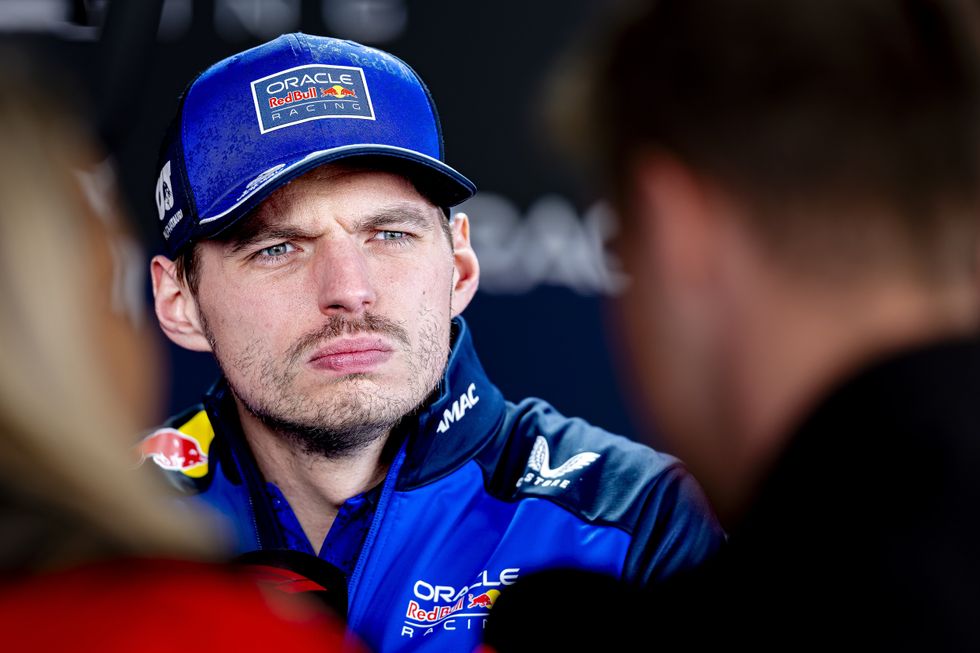
Max Verstappen could retire from F1 at the end of the season F1 would have catastrophic consequences
|GETTY
If Verstappen walks away, it would serve as the ultimate, damning indictment of the FIA’s new 2026 regulations.
These rules, built around a 50% per cent EV drivetrain and heavily reliant on extreme battery management, were supposed to herald a new, competitive era for the sport.
Instead, just three races into the season, they are facing a mutiny. Drivers are actively complaining about massive power clipping, with cars shedding speed at the end of straights to harvest energy.
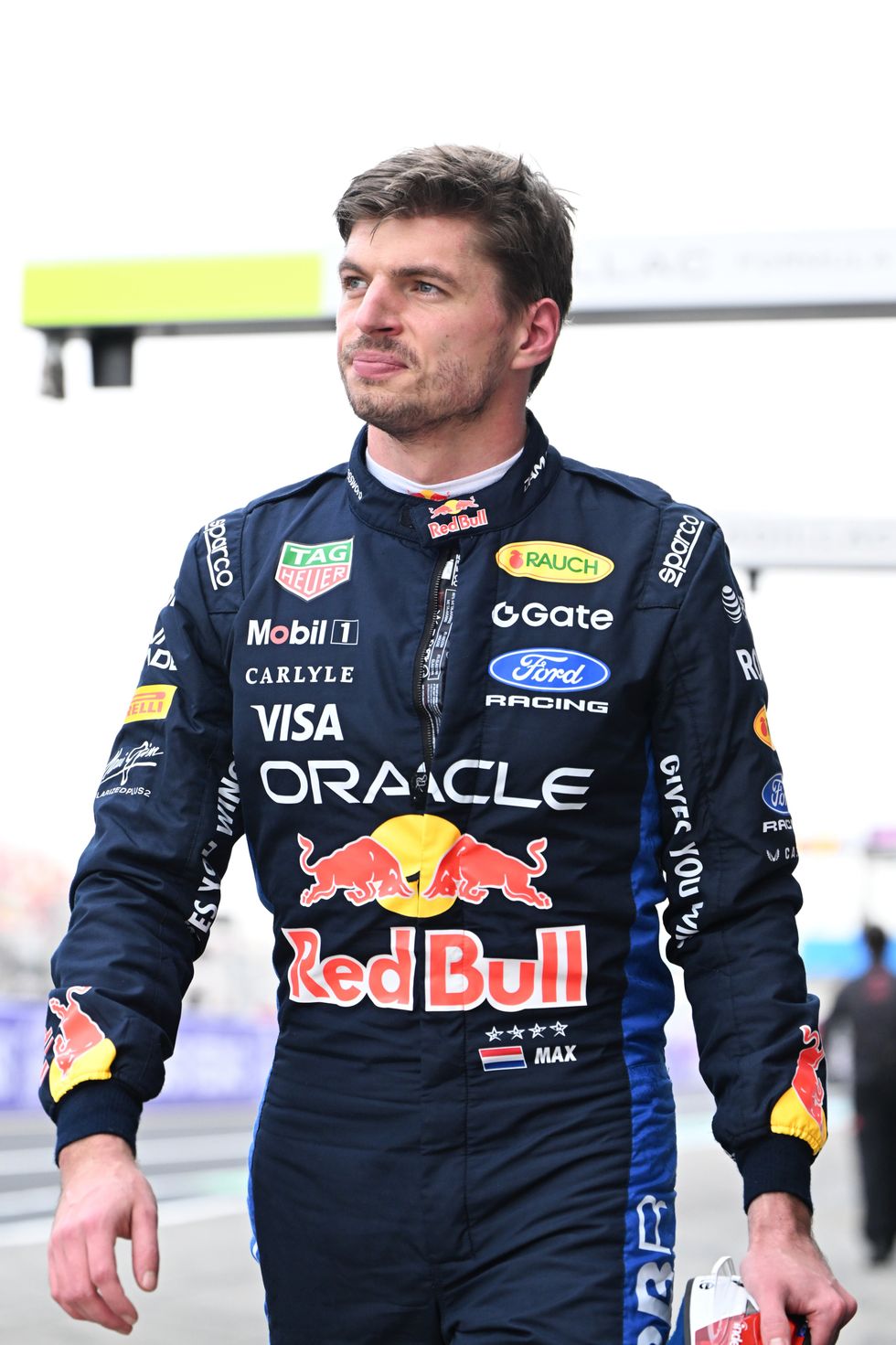 Max Verstappen cut a dejected figure after Sunday's Japanese Grand Prix | GETTY
For the sport’s most prominent driver to quit mid-contract because he finds the cars fundamentally "anti-racing" is a PR nightmare.
It essentially tells the world, the manufacturers, and the fans that the FIA spent half a decade engineering a formula that the world's purest racers despise.
LATEST SPORTS NEWS:
A deterrent to the next generation
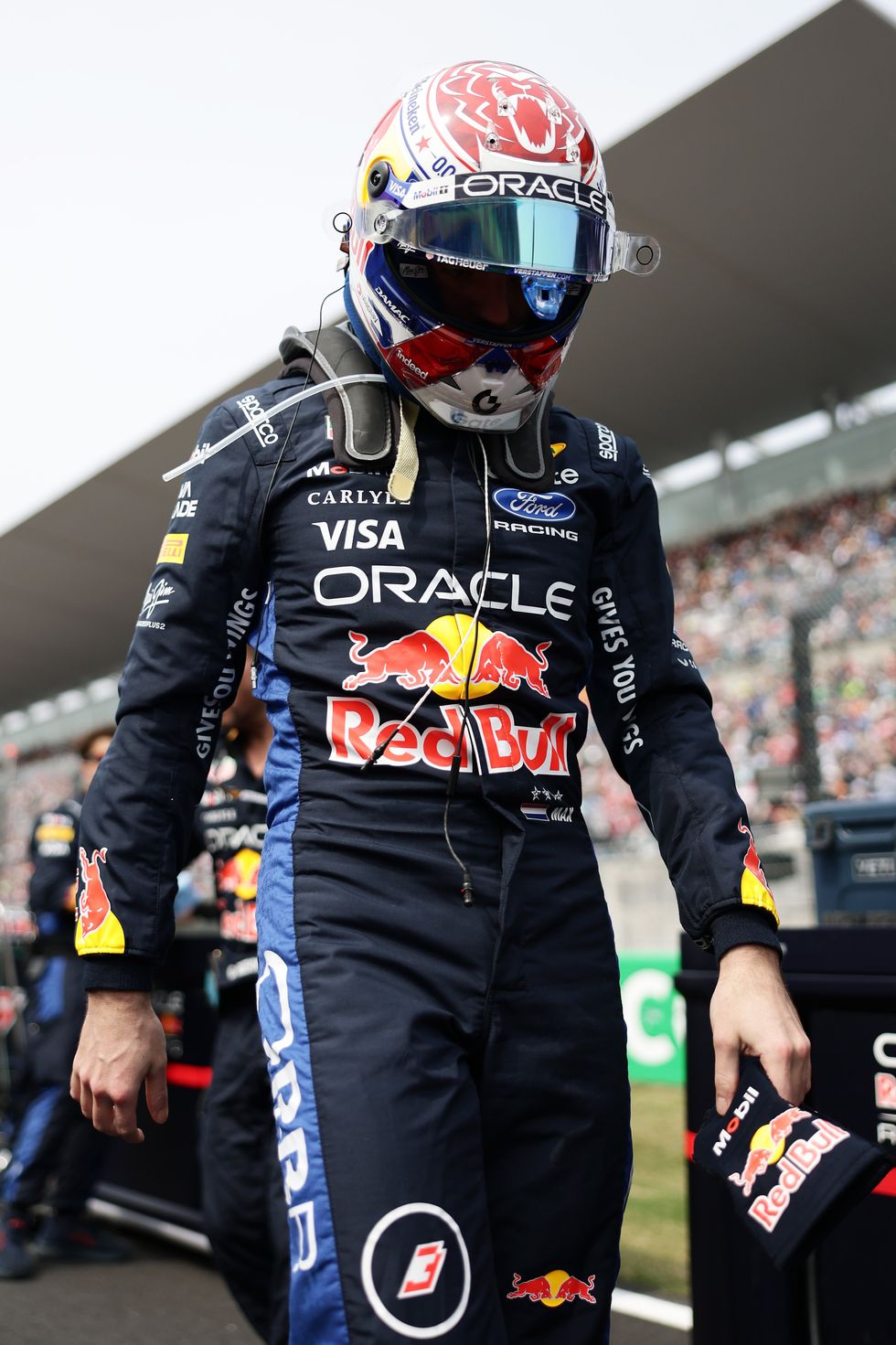
Max Verstappen has endured a nightmare start to the F1 season
|GETTY
Beyond the boardroom politics, a Verstappen exit would have a chilling effect on the grassroots of motorsport.
Consider the generation of young karters currently fighting through the junior ranks. For the last decade, they have grown up idolising Verstappen's uncompromising, flat-out, aggressive style of driving.
If those young drivers watch their hero abandon F1 because the cars have been reduced to heavy, battery-saving mathematics exercises, why would they aspire to reach it?
Verstappen’s departure would broadcast a clear message: This is no longer a driver's formula. It risks alienating the very prodigies the sport relies on for its future.
Leaving a void at the peak of F1's popularity
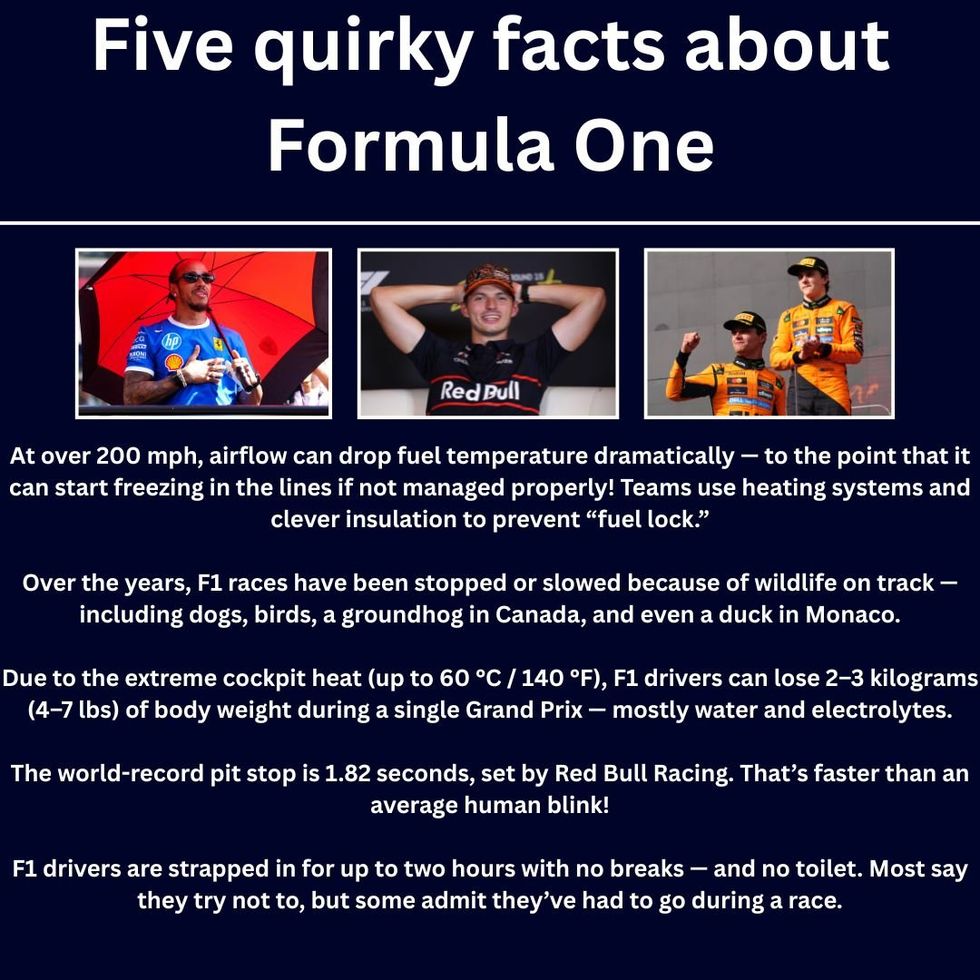 F1 facts fans might not know | GETTY/GBNEWS
From a commercial standpoint, F1 has arguably never been healthier.
The grandstands in Suzuka were packed, the global television audience remains massive, and the grid features an exciting mix of rising stars like Antonelli and Oscar Piastri alongside veterans like Lewis Hamilton and Fernando Alonso.
Yet, F1 is built on box-office personalities. Love him or hate him, Verstappen puts eyes on screens. He also commands the absolute loyalty of the "Orange Army" and single-handedly carries the Dutch market.
Depriving the sport of its biggest, most ruthless competitor just as the grid is finally tightening up would leave a massive, unfillable void at the absolute worst time.
The risk to his own legacy
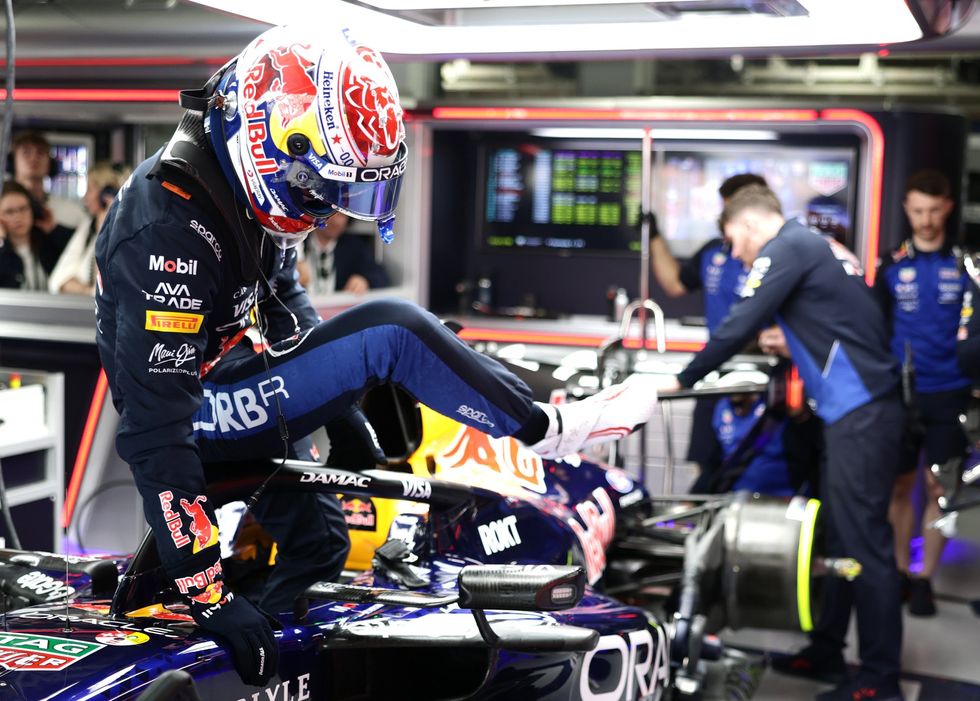
Max Verstappen has won four F1 titles throughout his career
|GETTY
However, walking away now would not be without consequences for Verstappen himself.
Retiring in protest of the regulations makes a powerful statement, but doing so right when Red Bull has lost its dominant edge invites a very different narrative.
Critics will inevitably argue that Verstappen only "loved" the sport when he was winning by 20 seconds a lap, and that he chose to quit the moment the machinery required him to fight in the midfield.
He risks being remembered not just as a prodigious talent, but as a driver who quit when the going got tough. Stepping away at 28 leaves multiple potential championships on the table, permanently capping his statistical legacy as well.