









Formula 1 has unveiled a comprehensive package of regulatory amendments designed to tackle widespread driver frustration with this season's new power unit rules.
The sport's governing body approved the modifications on Monday, with the majority set to take effect at the Miami Grand Prix from 1-3 May.
Drivers have voiced significant concerns that the complex energy management demands of the current hybrid systems, which split power roughly equally between combustion engines and electric motors, have undermined their ability to showcase their talents.
Four-time world champion Max Verstappen has expressed such profound unhappiness with the new machinery that he has publicly stated he is weighing up whether to continue racing in the series.
The qualifying regulations have been overhauled to eliminate the need for excessive energy recovery during timed laps, with the FIA stating the changes are "aimed at reducing excessive harvesting and encouraging more consistent flat-out driving".
Previously, competitors were compelled to employ lift-and-coast techniques, easing off the throttle before braking zones even during crucial qualifying attempts, a practice many described as "counter-intuitive".
Under the revised rules, the permitted recharge limit per lap drops from 8MJ to 7MJ, reducing the time drivers must spend recovering energy.
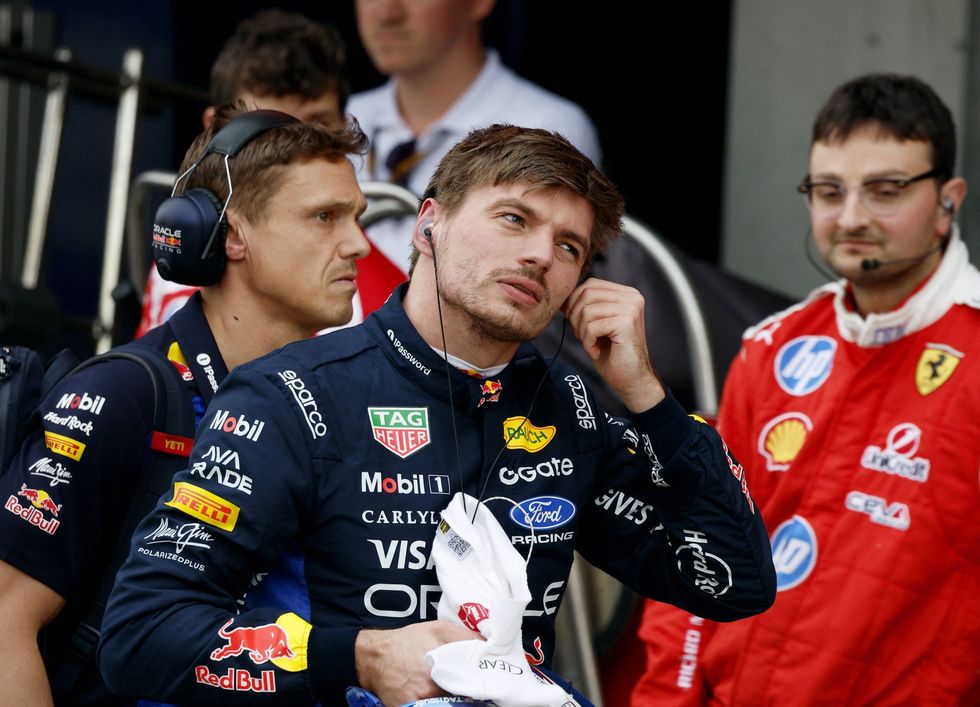 Max Verstappen has been furious with the new regulations | REUTERS
Additionally, the maximum power recovery rate during full-throttle periods without battery deployment has risen from 250kw to 350kw.
The FIA indicated these adjustments should restrict super-clipping to between two and four seconds per qualifying lap.
The number of circuits eligible for reduced energy limits has also expanded from eight to 12.
LATEST DEVELOPMENTS
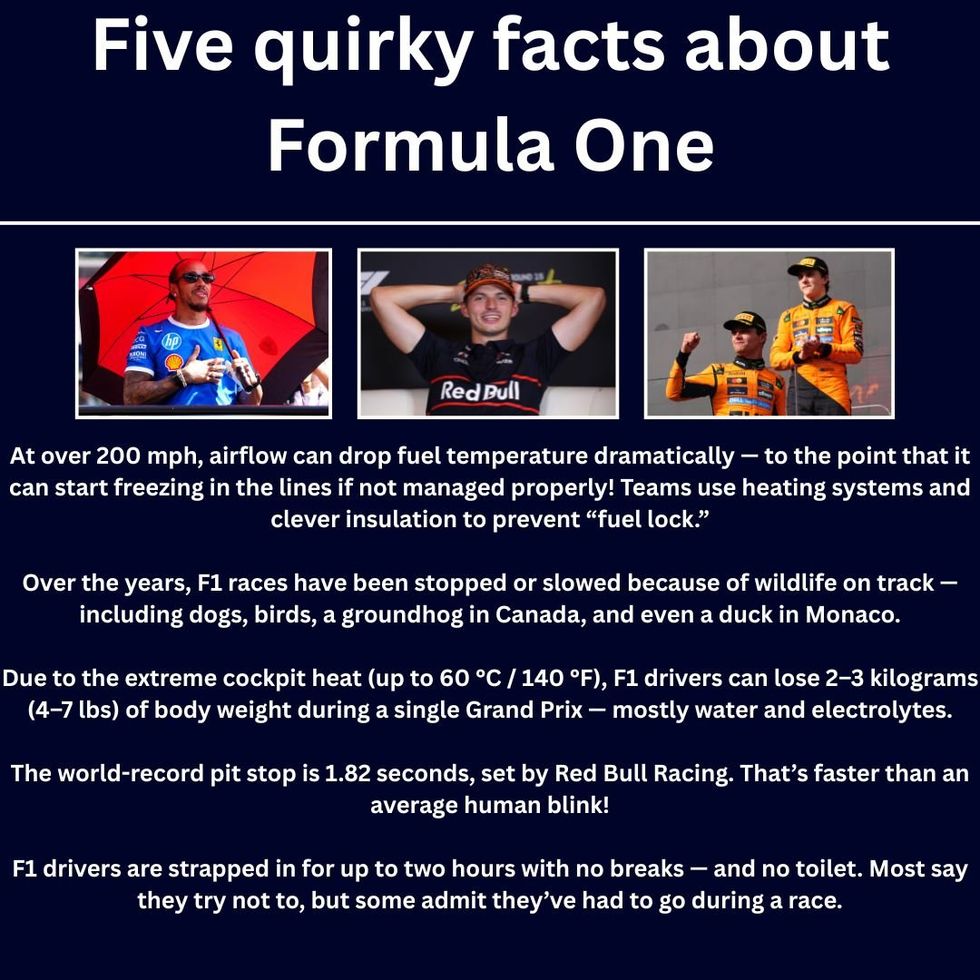 F1 facts fans might not know | GETTY/GBNEWS
The modifications to race regulations primarily address the hazardous closing speeds that can occur when one car operates at full electrical deployment while another has depleted its battery, creating a potential 470bhp disparity.
This issue contributed directly to Haas driver Oliver Bearman's high-speed accident at the Japanese Grand Prix, when the British racer swerved to avoid Franco Colapinto's Alpine after the Argentine moved off the racing line.
Boost mode power will now be restricted to 150kw, while full 350kw deployment will only be permitted in designated acceleration zones exiting corners, with 250kw limits applying elsewhere.
The FIA confirmed these measures aim "to reduce excessive closing speeds while maintaining overtaking opportunities and overall performance characteristics".
Mercedes team principal Toto Wolff characterised the approach as "acting with a scalpel and not with a baseball bat".
Concerns about the immense power of the new engines in wet conditions have prompted additional safety measures, including higher tyre blanket temperatures to enhance initial grip and reduced electrical deployment limits to improve car control.
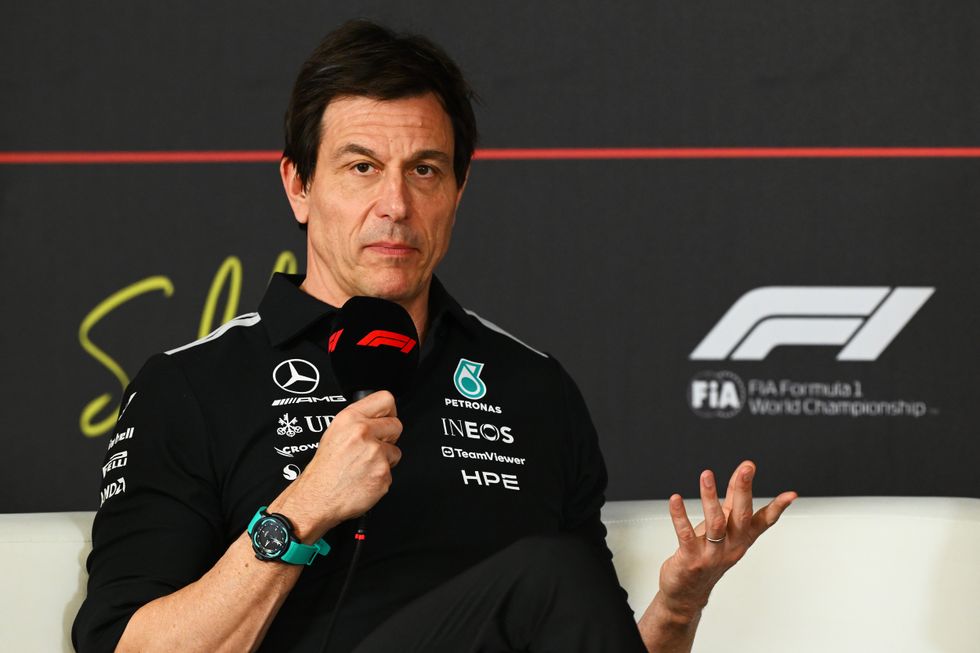
Mercedes team principal Toto Wolff characterised the approach as "acting with a scalpel and not with a baseball bat"
| GETTYRear lighting systems will be simplified to provide clearer visual signals for drivers following in poor visibility.
Miami will also serve as a testing ground for revised race-start procedures after Liam Lawson's Racing Bull came perilously close to colliding with Colapinto's slow-starting Alpine at the Australian Grand Prix.
Teams will trial a detection system capable of identifying cars with unusually poor acceleration, which would trigger automatic MGU-K deployment to guarantee minimum forward momentum.
A visual warning system using flashing rear and side lights will also be tested, alongside new rules preventing cars from reaching the grid with insufficient battery charge.