










Archaeologists working at an ancient cathedral site near the Sea of Galilee in Israel have unearthed a remarkable marble object that may fundamentally alter our understanding of early Christian baptism practices.
The distinctive artefact, estimated to be approximately 1,300 years old, was recovered during excavations at Hippos, a historically significant site.
Researchers uncovered a marble piece with three hemispheric hollows, which they believe once stored different sacred oils.
Following thorough analysis and comparisons with other known objects, the archaeological team determined that no comparable marble item has ever been documented elsewhere.
TRENDING
Stories
Videos
Your Say
In conventional Christian baptism ceremonies, individuals are anointed with two separate oils – one applied before immersion in water and another afterwards.
However, this newly discovered object points to a previously unknown practice involving three distinct oils, potentially indicating a lost ritual phase in early Christian worship.
"Near the baptismal font, we began uncovering remarkable liturgical objects," said Dr Michael Eisenberg from the University of Haifa.
"Only after careful research did we realise how unique they are for understanding Christian ritual practices in the cradle of Christianity by the Sea of Galilee."
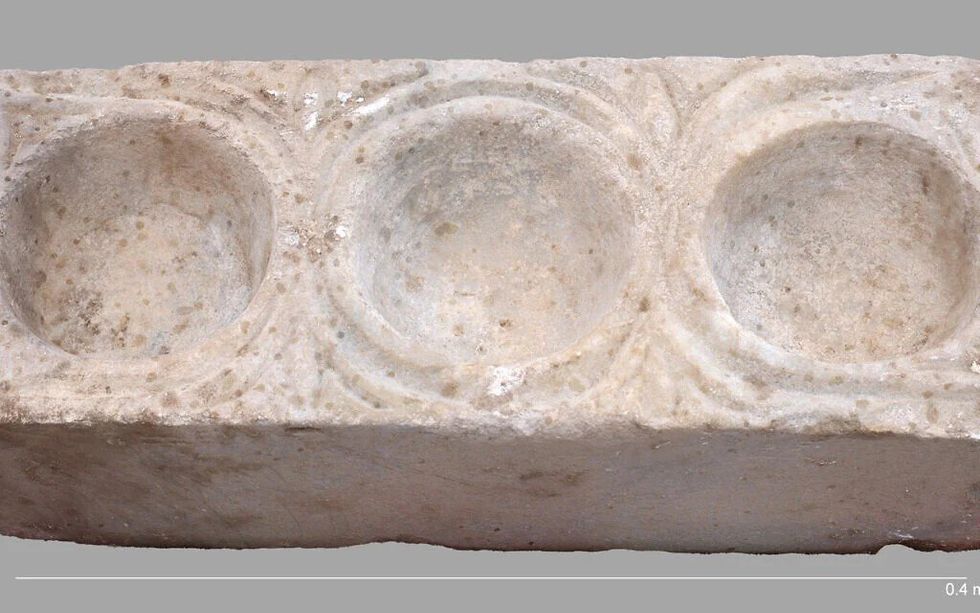
Archaeologists have uncovered a marble artefact in the ‘cradle of Christianity’ which may overturn our understanding of ancient baptism
|MICHAEL EISENBERG / UNIVERSITY OF HAIFA
The research team's findings, published in the Palestine Exploration Quarterly, propose that the stone's cups may correspond to a regional tradition of three-phase anointing during baptism.
Work centred on a hall adjoining the southern side of Hippos cathedral, which served as a principal church for the surrounding area.
Within this space, archaeologists uncovered a partially intact room housing a baptismal font, the second such font within the cathedral complex.
According to the researchers, this represents the sole church in the archaeological record known to feature two separate halls equipped with baptismal fonts, suggesting that the larger space may have accommodated adult ceremonies whilst the smaller, newly revealed chamber served younger initiates.
LATEST DEVELOPMENTS:
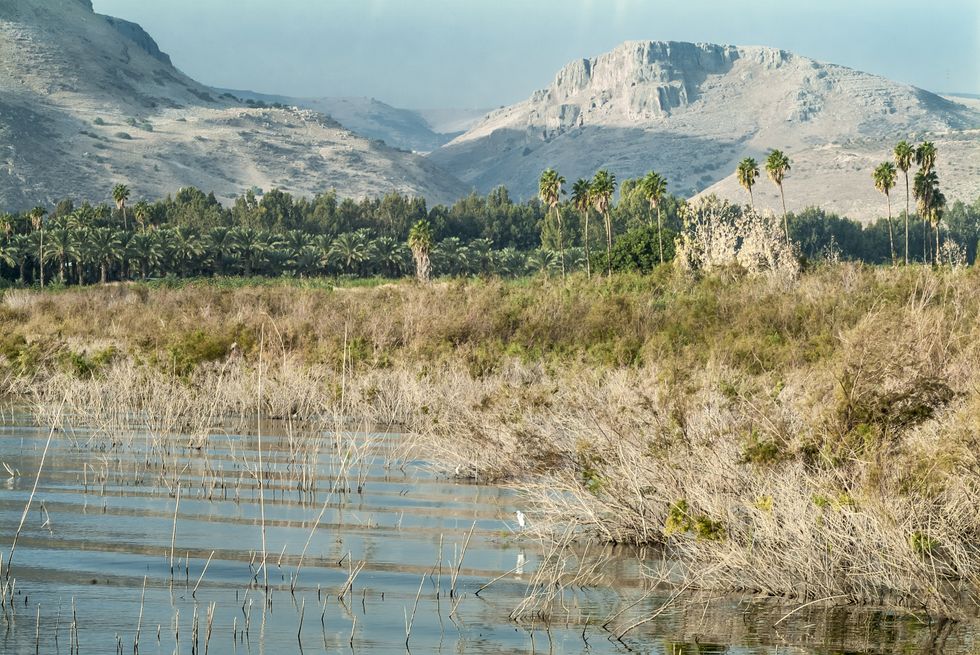 The discovery was made at Hippos - a ruined city around a mile from the Sea of Galilee | GETTY
Researchers also uncovered Israel's largest bronze candelabrum ever found, along with the country's largest marble reliquary for storing sacred relics.
The hall met its end during a devastating earthquake in 749 AD, which buried these precious objects beneath collapsed debris and inadvertently preserved them for over a millennium.
"Baptism was one of the central rites of Christian communal life and gradually took shape during the Byzantine period," Dr Eisenberg explained.
"In different regions, distinct liturgical traditions developed, many of which are not documented in written sources."
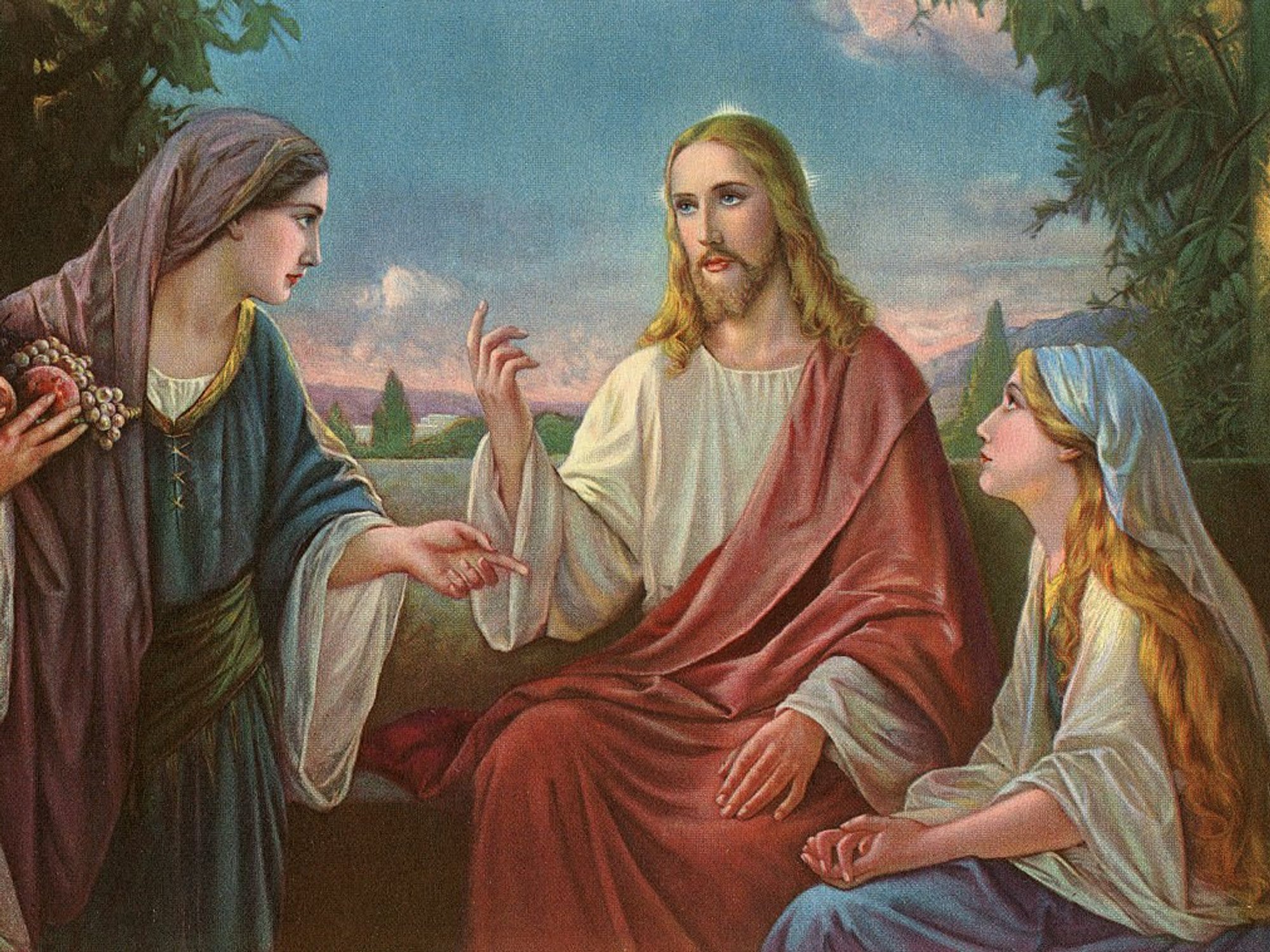
The Gospels tell that Jesus's earthly ministry took place in the region
|GETTY
The Gospels place Jesus's earthly ministry in this very region, lending further weight to discoveries made here.
"This find offers a rare glimpse into how the baptismal rite was shaped and practised in the Byzantine Christian community of Hippos," Dr Eisenberg added.
Another recent find in the region was of an entirely different character, with archaeologists unearthing a 2,000-year-old sling bullet inscribed with an ominous message.
Researchers believe it was fired by Greek defenders and carries the taunting message "learn your lesson" in ancient Greek.