





Queen Elizabeth II reacted slowly and made missteps throughout her historic reign, according to a national biography.
The entry into the Oxford Dictionary of National Biography (DNB), an online encyclopaedia of biographies for notable figures in British history, also says the UK "ceased to be a great power in the world".
The citation for Elizabeth is among an update that added 229 people who died in 2022 and left a significant mark on life in Britain.
It includes entries for the late Queen’s former press secretary, Hilary Mantel, legendary fashion designer Vivienne Westwood, former First Minister of Northern Ireland David Trimble, and Harry Potter actor Robbie Coltrane.
TRENDING
Stories
Videos
Your Say
The citation arrives just weeks before Elizabeth would have turned 100, on April 21.
"During the course of her reign, the United Kingdom ceased to be a great power in the world," the entry reads. "And evolved into a multi-cultural, multi-faith, multi-ethnic society, and the country in which she died was very different from that in which she had been born.
"To all this she adapted, slowly and not always enthusiastically, but on the whole wisely and well.
"Although she made some mis-steps (particularly in relation to her family) she provided reassurance for a rapidly changing country, deftly fronted retreat and reinvention abroad, gradually adjusted the British monarchy to the post-Victorian and post-imperial world, and did all this without ever letting on in public that was what she was doing."
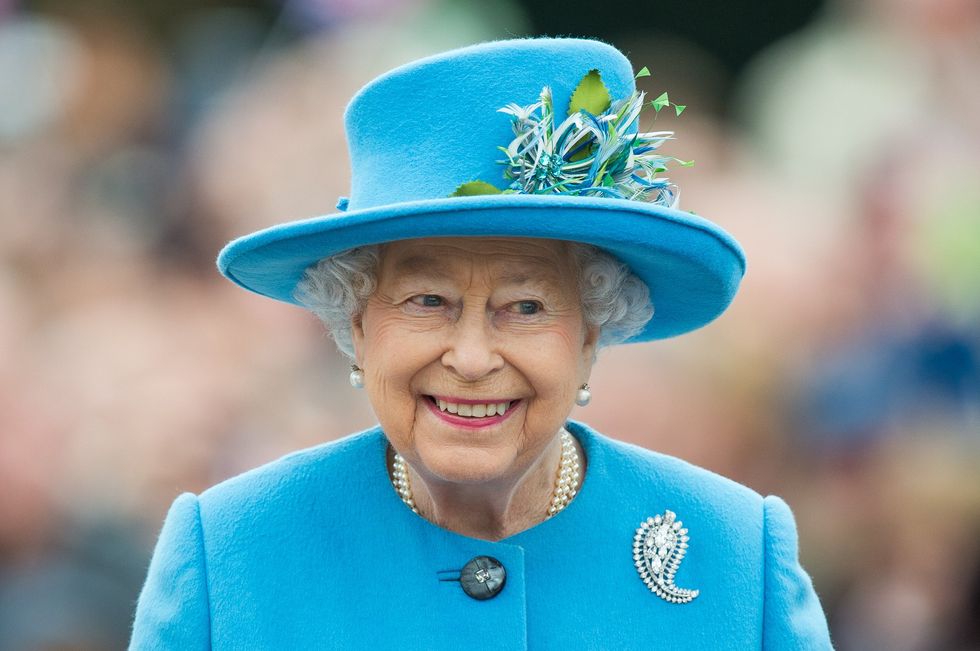
Queen Elizabeth II reacted 'slowly' and 'made some missteps' throughout her historic reign, according to a national biography
|GETTY
The late Queen became England's longest-reigning monarch for 70 years in 2022, overtaking Queen Victoria.
During this time, she oversaw the transformation of the British Empire into the Commonwealth of Nations and the modernisation of the Royal Family.
Elizabeth's Coronation on June 2, 1953, made history as the first-ever televised event of its kind, and insisted on the investiture of then-Prince Charles being broadcast in colour.
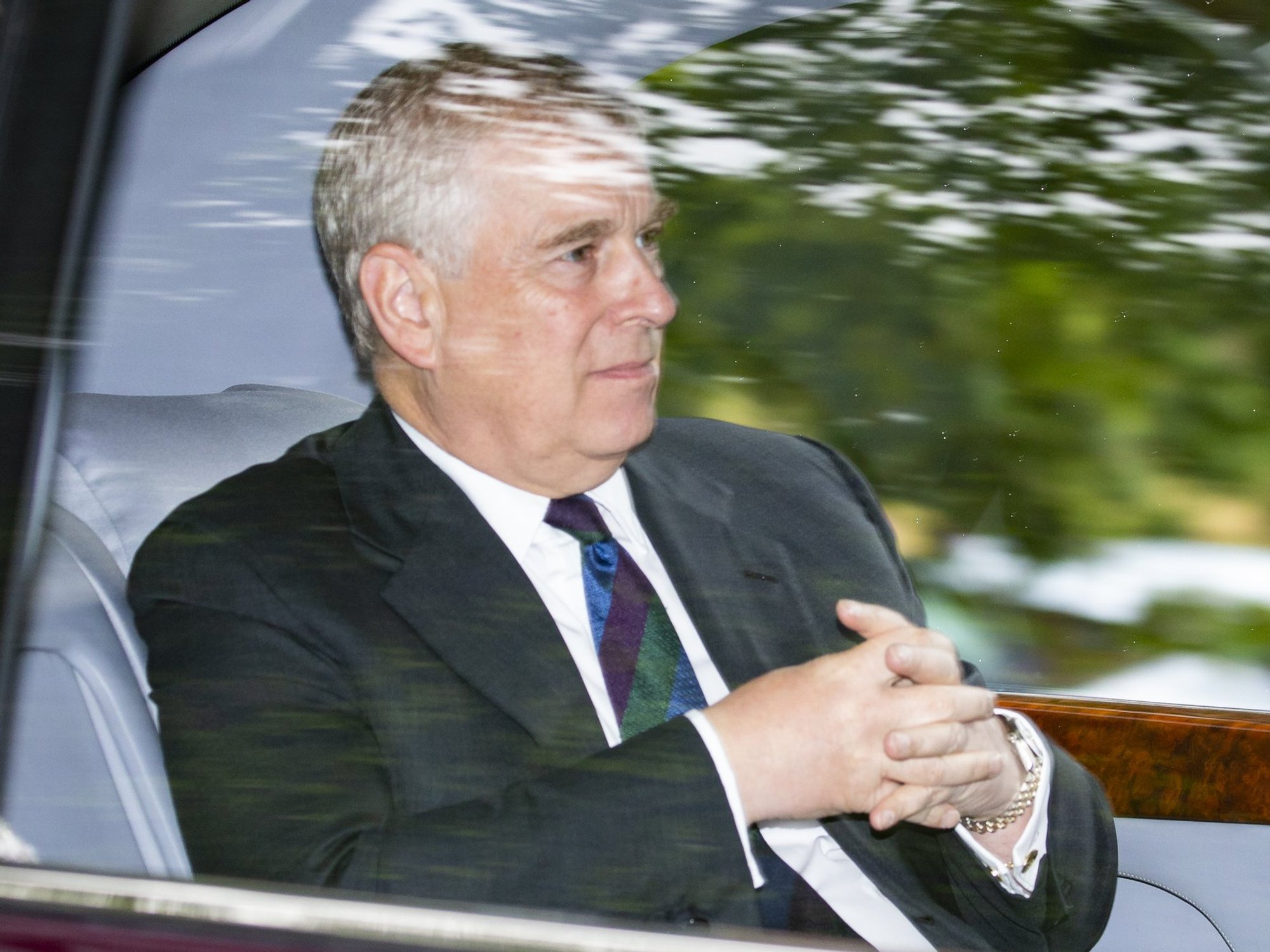
However, the family "missteps" could be referring to the controversy engulfing her youngest son and former prince, Andrew Mountbatten-Windsor.
LATEST ROYAL NEWS
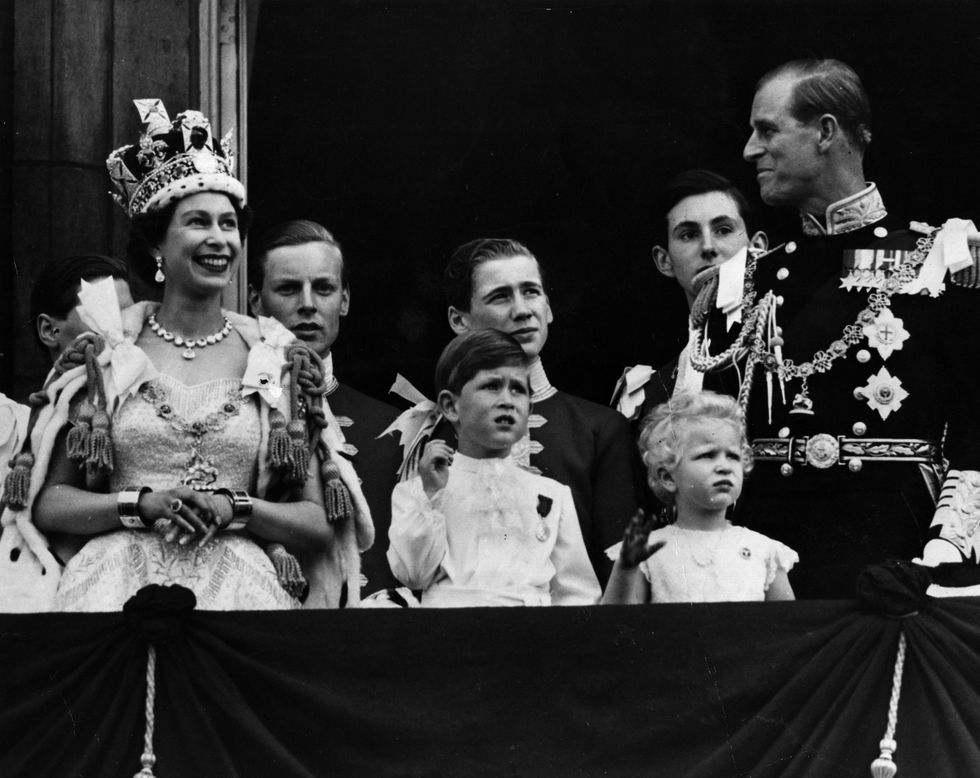
The late Queen's coronation in 1953 was the first ceremony of its kind broadcast live on television
|GETTY
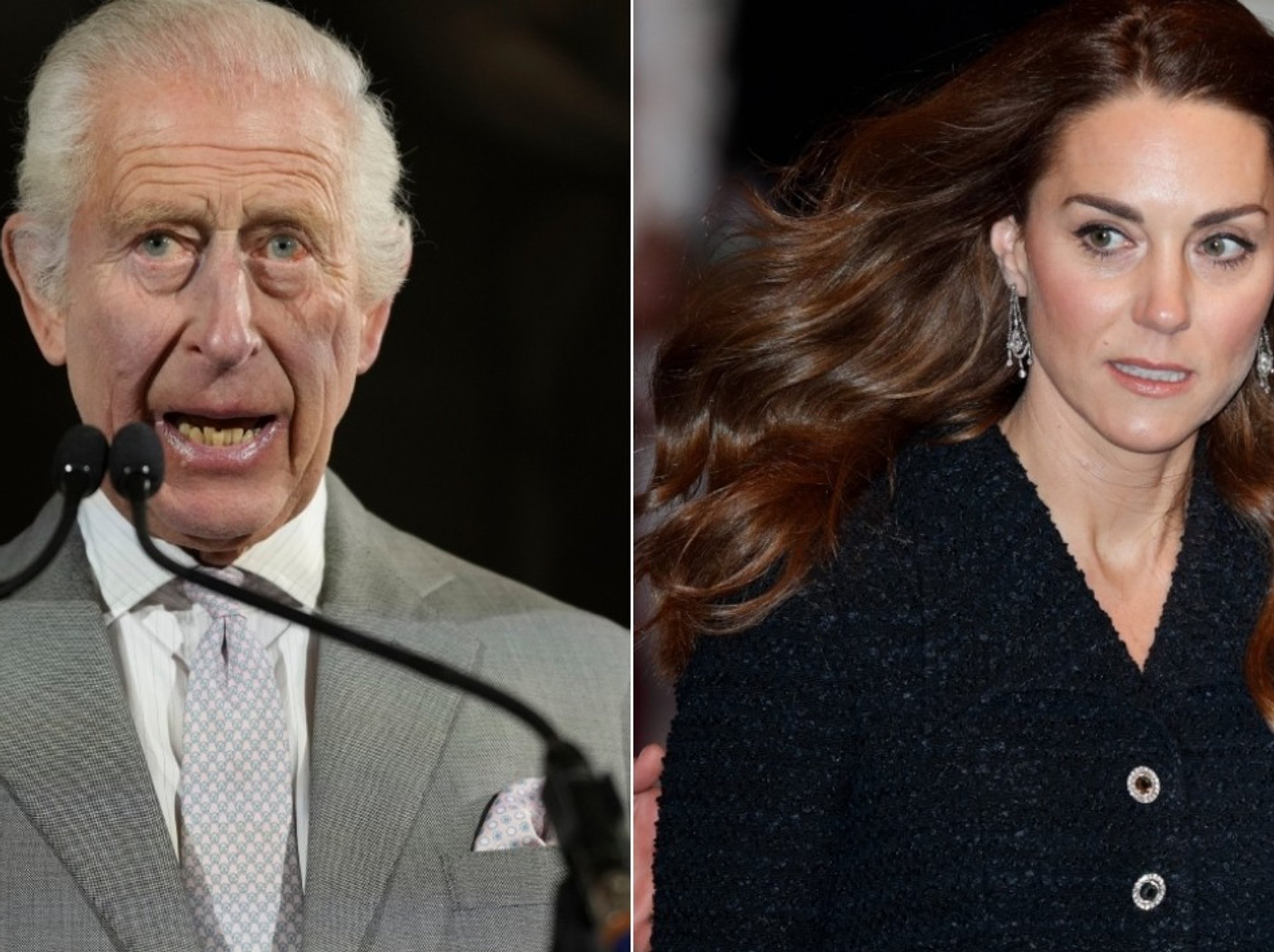
King Charles's relationship and subsequent divorce from the late Diana, Princess of Wales, was also a source of public outcry.
The entry later adds: "She sought to embody national identity, historical continuity, and political stability, she created a new global role for a new global community, and she did more than anyone to hold the UK and the Commonwealth together.
"She had not been born to succeed, but by her example, her self-discipline, her public spiritedness, and her longevity, she did so in more ways than one, living out perhaps the most remarkable life of her times.
"'You can do a lot,' she once opined, 'if you’re properly trained. And I hope I have been.' She had been, and she did."
A spokesman for the DNB said: "At the Oxford DNB, we ask our authors to write a balanced account of a person’s private and public life that will serve as a guide to modern Britain for decades to come."
As of April 2026, the DNB contains more than 63,000 biographies written by over 14,000 contributors.
Our Standards: The GB News Editorial Charter