




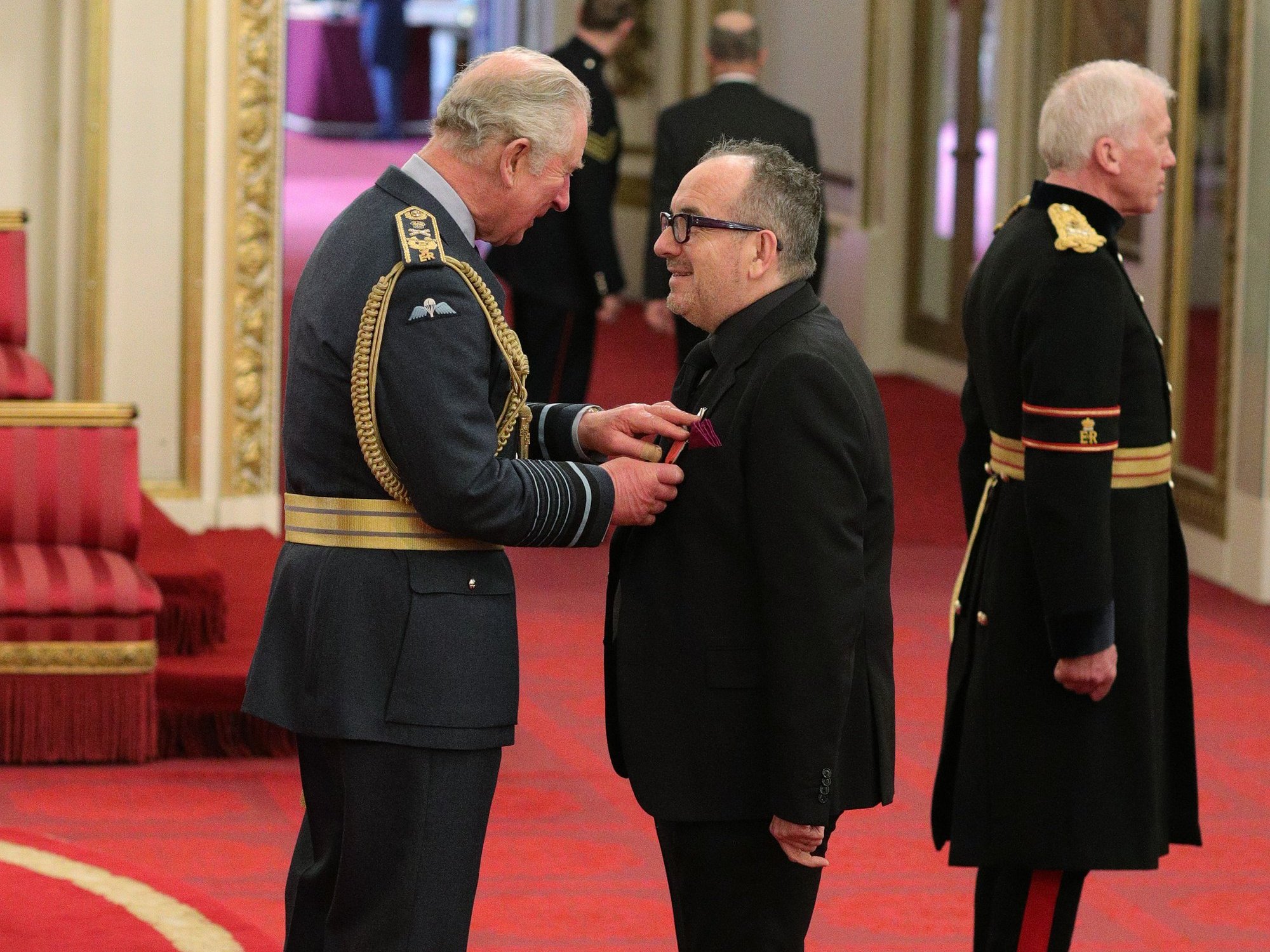


A researcher from Australia has uncovered a remarkable historical link between the families of King Charles and Catherine, Princess of Wales, revealing their ancestors collaborated a century ago in the fight against cancer.
Michael Reed, who lectures at Ilim College in Victoria and specialises in tracing royal and Middleton family lineages, made the discovery while browsing information about Castle Howard online.
He recognised the name of Sir Charles Lupton from his previous research into the Princess of Wales's paternal ancestry.
The finding shows that in 1925, distant relatives of both royals played pivotal roles in establishing the British Empire Cancer Campaign's Yorkshire Council.
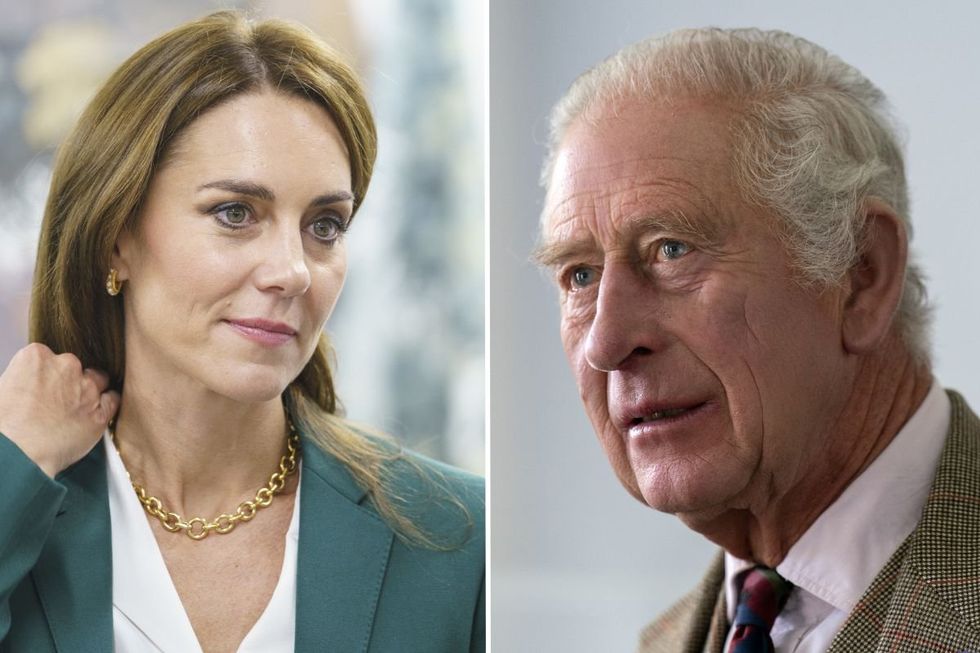
A researcher from Australia has uncovered a remarkable historical link between the families of King Charles and Catherine, Princess of Wales, revealing their ancestors collaborated a century ago in the fight against cancer.
|GETTY
TRENDING
Stories
Videos
Your Say
Neither the King nor the Princess is believed to be aware of this shared family history in cancer campaigning.
The King's great uncle, Viscount Henry Lascelles, who later became the sixth Earl of Harewood, served as the council's inaugural president.
Sir Charles Lupton, the Princess of Wales's great-great-great uncle, took on the role of first vice-president.
The centenary of the campaign has recently been commemorated with celebrations including a ball held at Castle Howard and the publication of a booklet marking "a century of saving lives".
Princess Mary, the King's great aunt and wife of Viscount Lascelles, subsequently assumed the presidency of the charity herself.
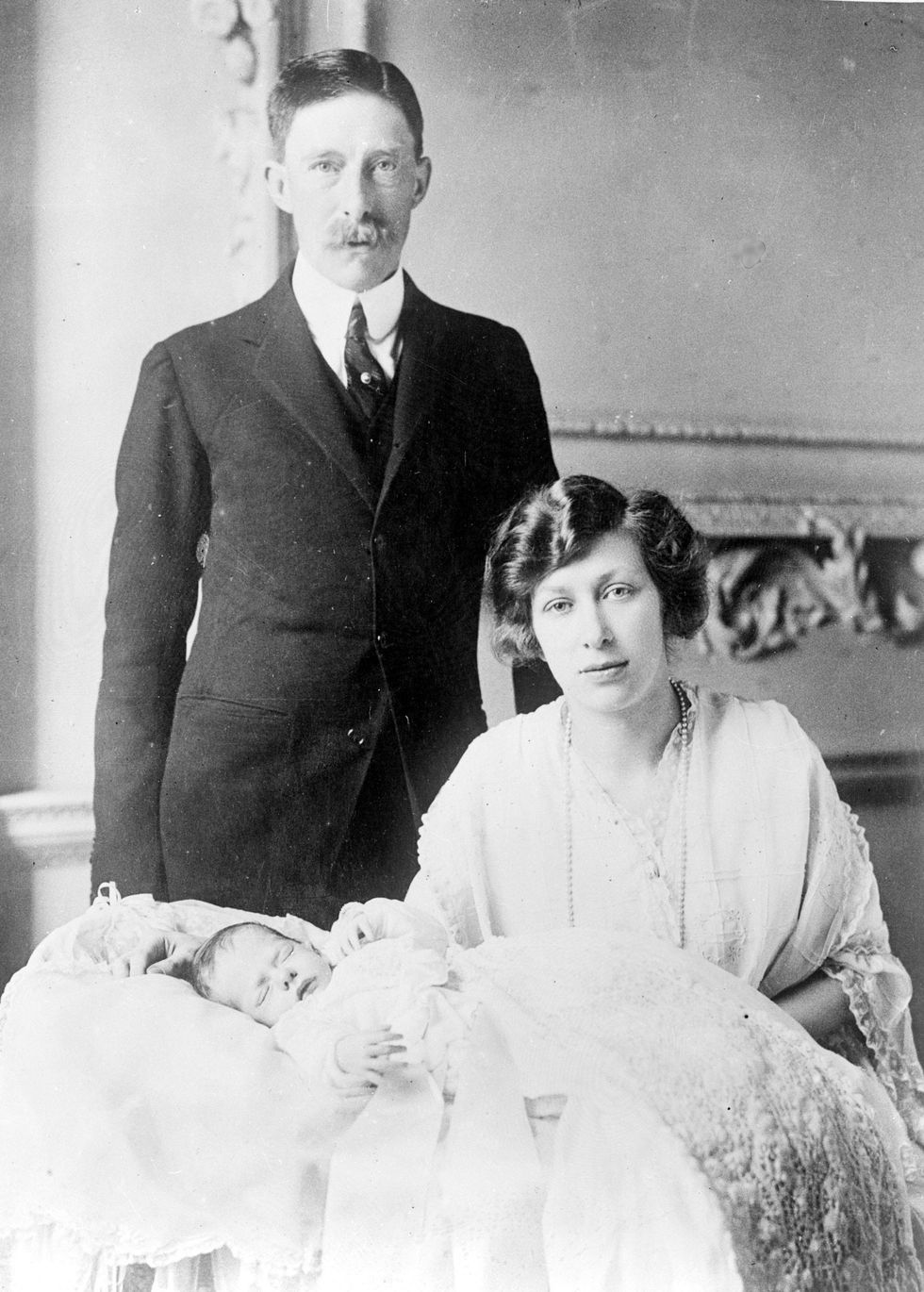
Viscount Henry Lascelles and Princess Mary in 1923
|PA
She maintained this position for decades, continuing in the role until her death in 1965.
The commemorative pamphlet describes Sir Charles Lupton as "an outstanding man among men", noting he was "full of old-world courtesy and consideration, quiet, unassuming, sincere, with a direct simplicity which could not be resisted".
Reed expressed how moving he found the connection, particularly given both the King and Princess of Wales have undergone cancer treatment.
"I felt it was very poignant that although the Princess and King Charles's ancestors were both aristocratic men, they chose to get their hands dirty doing really tough campaigning for a disease which, in 1925, perplexed most leading scientists who therefore had little interest in finding a solution," he told The Telegraph.
The historian was especially struck that the Yorkshire Cancer Council represented pioneering work during an era when cancer was rarely discussed openly.
Reed noted that Sir Charles, despite believing himself too elderly at 70 to serve as vice-president, accepted the position because he felt so passionately that finding a cure was urgently needed.
"The King and the Princess have known for many years that members of their own families have worked together on 'safe' charities, but I doubt they would have been aware that the chief charitable interest of two of their ancestors was campaigning to find a cure for cancer," Reed added.
Sir Charles Lupton, born in 1855 and passing away in 1935, was the brother of Francis Lupton, the Princess's great-great-grandfather.
Francis's daughter, Olive Lupton, served as a nurse during the First World War and gave birth to Captain Peter Middleton, the grandfather of Michael Middleton, Catherine's father.
Viscount Lascelles became connected to the Royal Family through his marriage to Princess Mary, daughter of George V and Queen Mary.
Princess Mary's brothers would go on to reign as King Edward VIII and King George VI, the latter being the father of the late Queen Elizabeth II.
Our Standards: The GB News Editorial Charter