

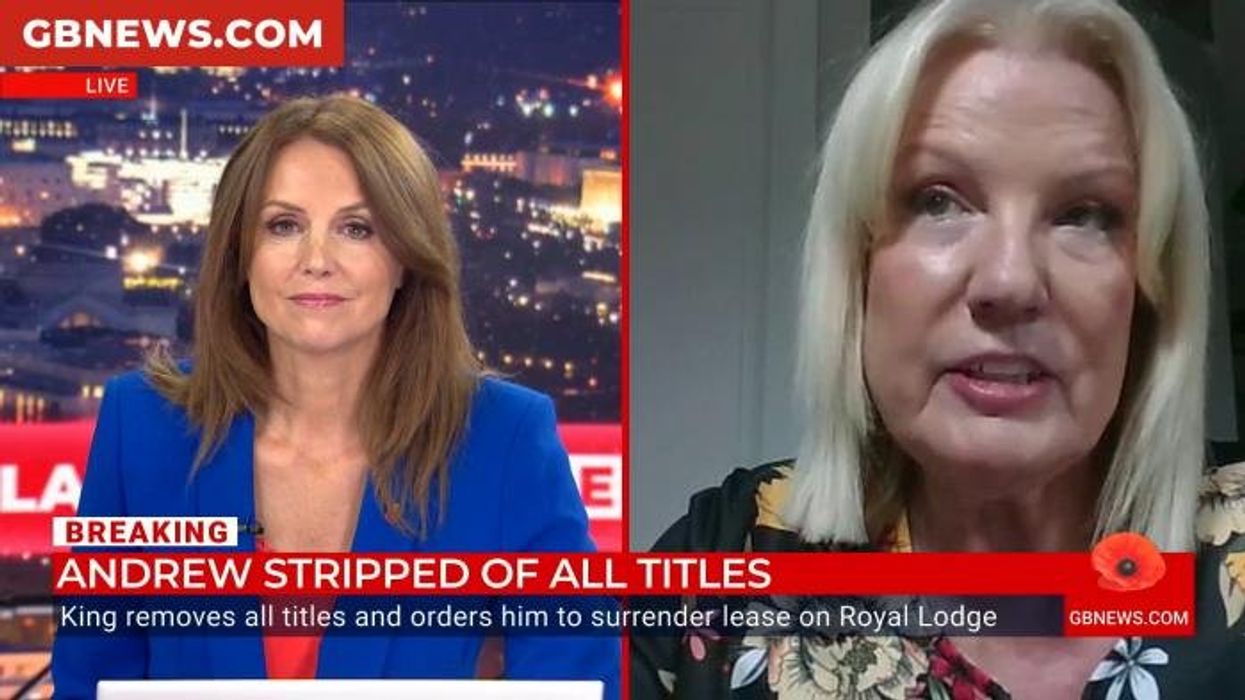





Andrew Mountbatten Windsor is set for another name change as GB News understands his name will now be hyphenated in line with naming conventions for royal descendants who lack titles.
The change comes as Buckingham Palace is understood to have examined a historical document that Queen Elizabeth II gave to the Privy Council in 1960.
The declaration was issued shortly before Andrew’s birth in February 1960, and stipulates that descendants without the style of Royal Highness or the dignity of Prince or Princess would be given the name Mountbatten-Windsor.
The document, which was published in The London Gazette, updated her earlier 1952 pronouncement about the Windsor family name.
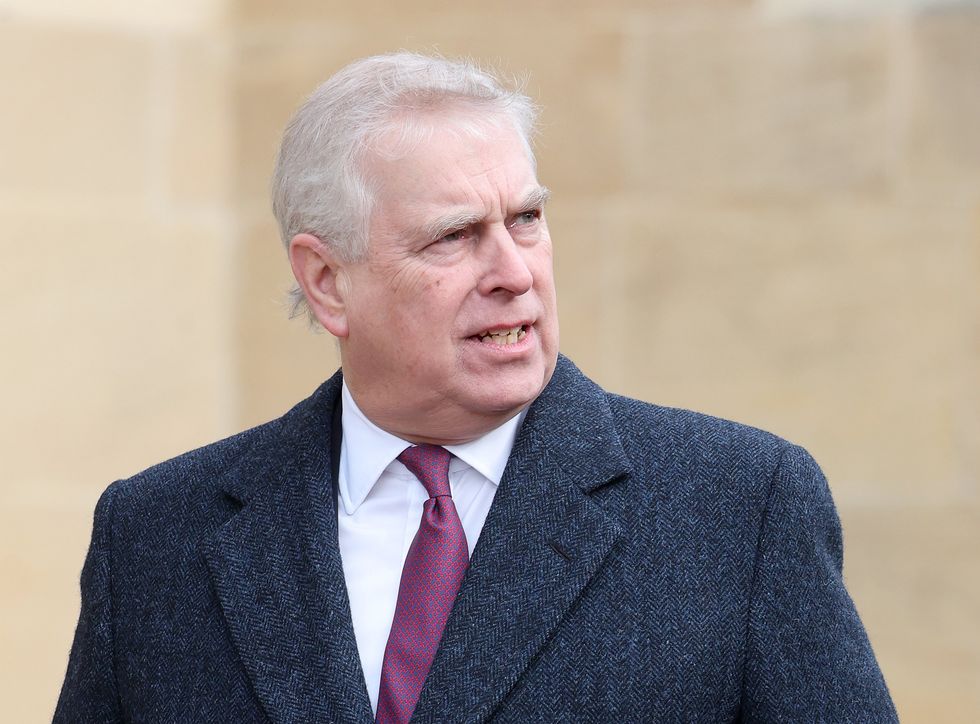
Andrew Mountbatten-Windsor's name will now include a hyphen inline with royal declarations
|GETTY
The declaration stated: “My Lords, Whereas on the 9th day of April 1952, I did declare My Will and Pleasure that I and My children shall be styled and known as of the House and Family of Windsor, and that my descendants other than female descendants who marry and their descendants, shall bear the name of Windsor.
“And whereas I have concluded that the Declaration made by Me on the 9th day of April 1952, should be varied in its application to such persons.
“Now therefore I declare My Will and Pleasure that, while I and My children shall continue to be styled and known as the House and Family of Windsor, My descendants other than descendants enjoying the style, title or attribute of royal highness and the titular dignity of Prince or Princess and female descendants who marry and their descendants shall bear the name of Mountbatten-Windsor.”
The amendment was put in place to address concerns about surnames for members of the Royal Family without formal titles.
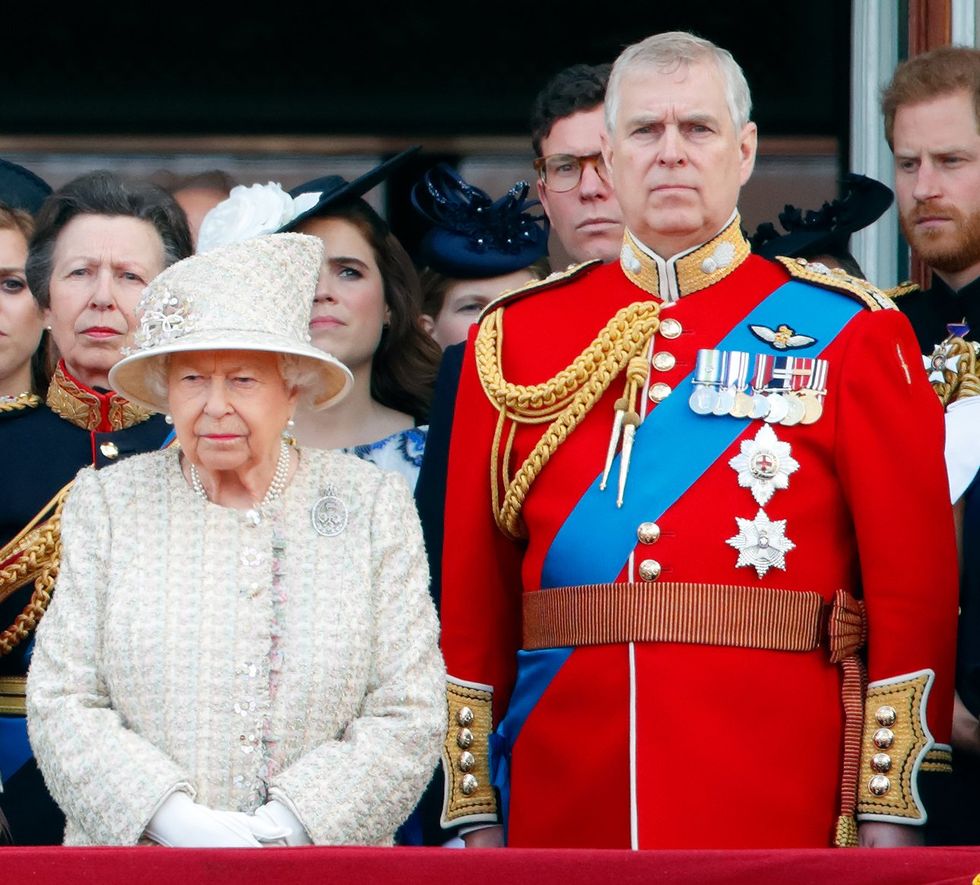
Queen Elizabeth II made the change in a declaration in 1960
|GETTY
Historical records also support the use of the hyphen. On the Princess Royal’s marriage certificate in November 1973, her name is shown as Anne Elizabeth Alice Louise Mountbatten-Windsor.
The same also applied to the Duke and Duchess of Sussex’s first son, Archie, with his name listed on the birth certificate as Archie Harrison Mountbatten-Windsor.
The change for the disgraced former prince left royal historians confused when the initial announcement was made.
LATEST ROYAL NEWS
Ian Lloyd expressed his surprise to The Times, saying: “I was quite surprised when the Palace statement came out giving Andrew’s name without a hyphen, given the historic precedent for one.
“Prince Philip had complained that he was ‘the only man in the country not allowed to give his name to his children’, which made him ‘nothing but a bloody amoeba.’
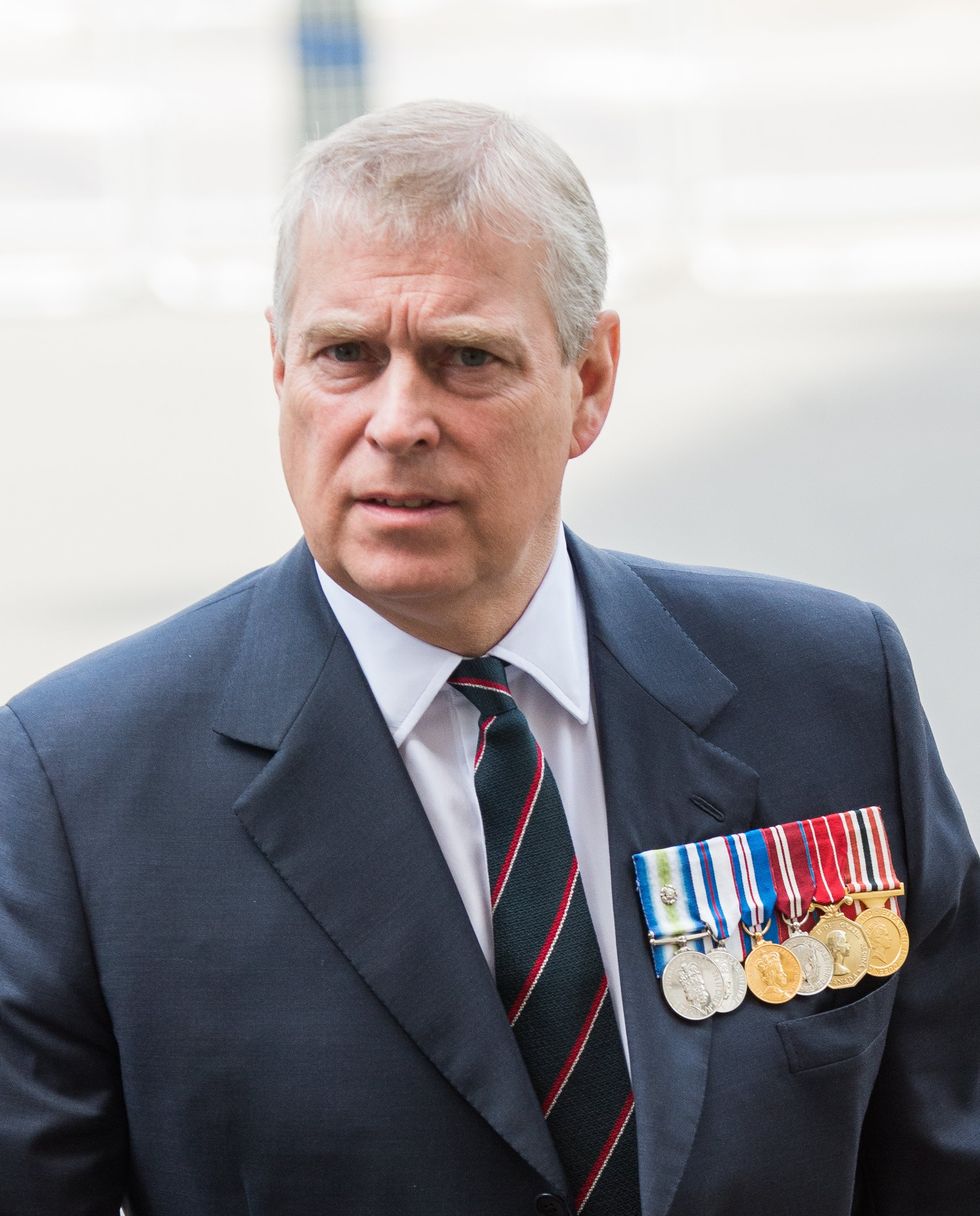
Andrew will be referred to as Andrew Mountbatten-Windsor from now on
| GETTY“The late Queen’s privy council declaration, therefore, was a way in which the name Mountbatten could be preserved for future generations.
“Despite everything that has gone on, I expect that Prince Philip might at least be pleased to know that the Mountbatten name lives on.”