








Labour ministers are preparing to unveil proposed names for a new generation of towns, with Elizabethtown, honouring the late Queen, emerging as a leading candidate alongside Pankhurst, Attleeton, Athelstan, and Seacole, sources have claimed.
The Government is set to reveal up to 12 locations for these developments in the coming week, as the party faces mounting pressure over its pledge to deliver 1.5 million homes before the current Parliament ends.
Officials have put forward five potential names, according to The Times, though approximately three of the announced sites lack an obvious designation.
A Government spokesman told the publication: "No decisions on new town names or locations has been made."
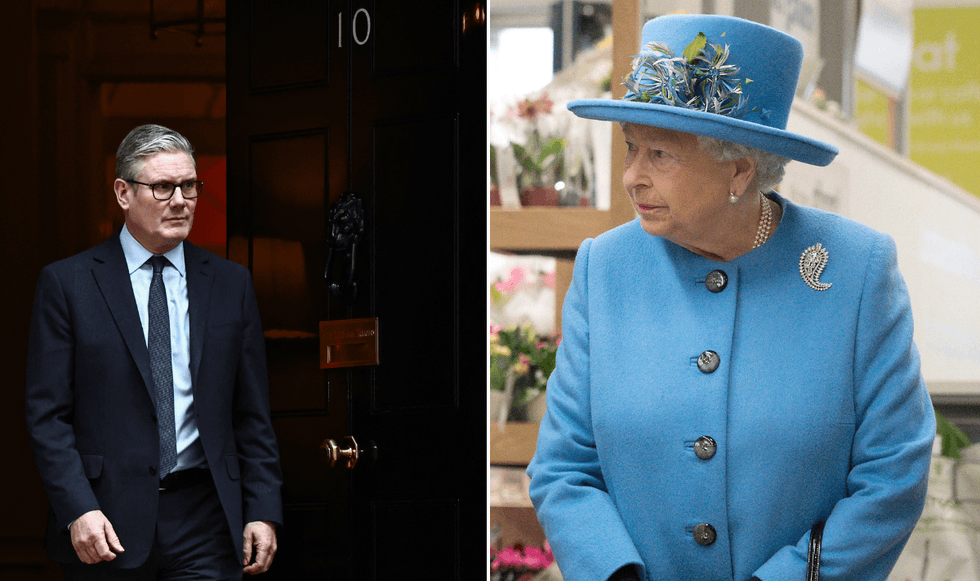
Labour set to unveil ‘Elizabethtown’ after Queen amid mounting pressure to deliver 1.5 million homes
|GETTY
The spokesman added: "Our landmark new towns programme will help to build thousands of new homes across the country so we can restore the dream of homeownership."
Each proposed name draws from significant figures in British history. Elizabethtown would commemorate Queen Elizabeth II, while Athelstan references the monarch widely regarded as England's first king, who ruled from the year 925 AD to 939 AD.
The suffragette movement's organiser, Emmeline Pankhurst, could see her surname adopted for one development.
Mary Seacole, the Jamaican-British nurse who tended to wounded soldiers during the Crimean War, is another candidate.
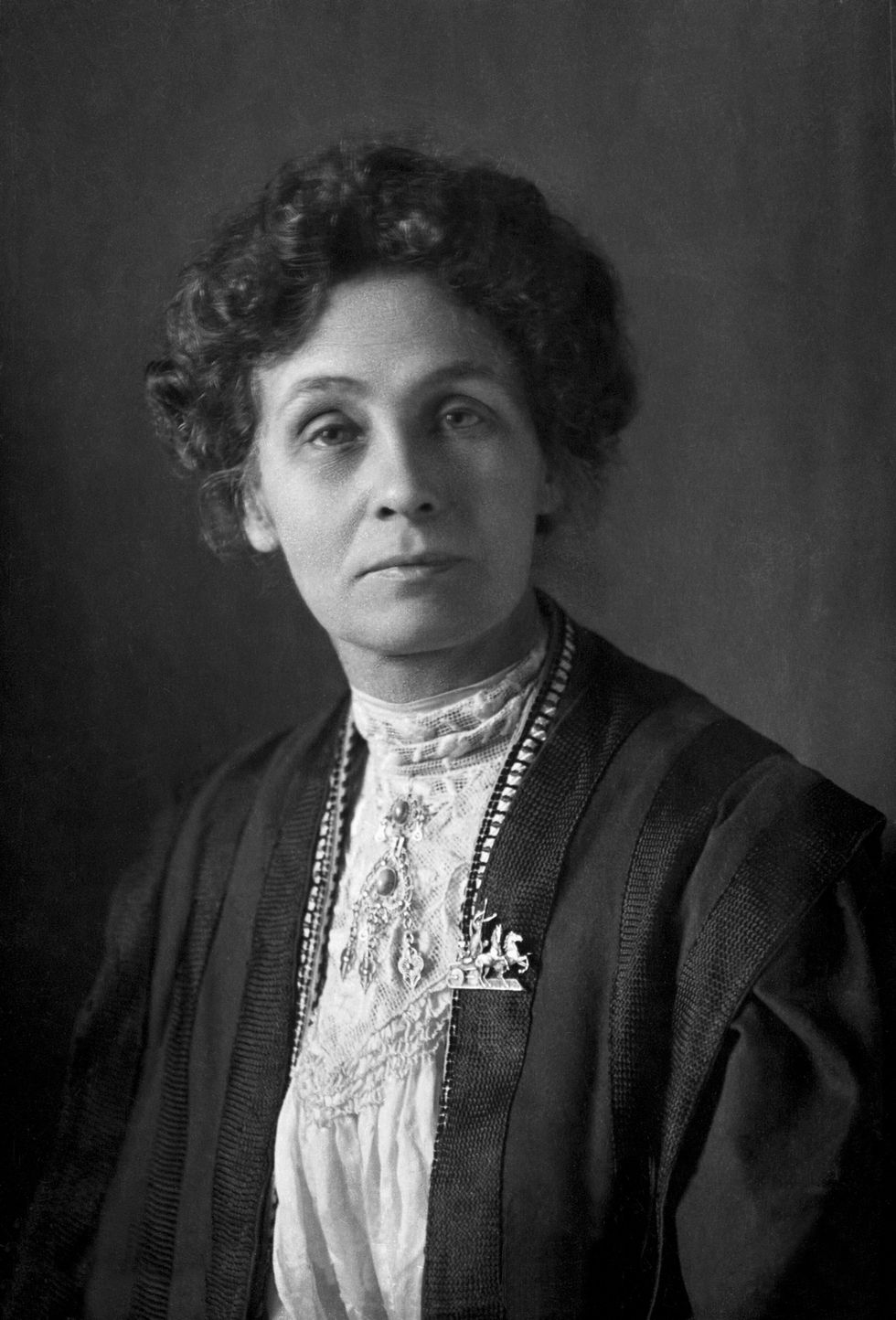
Emmeline Pankhurst pictured in 1895
|GETTY
Attleeton would honour former Labour Prime Minister Sir Clement Attlee, who oversaw an ambitious programme of new town construction following World War Two.
All proposed names must undergo public consultation, with local leaders required to give final approval before any designation becomes official.
Around 100 areas across England submitted bids to construct new towns housing more than 10,000 residents, with a dozen locations selected during the summer.
The Government has committed to breaking ground on three of these developments ahead of the 2029 General Election, with sources indicating the earliest residents could move in by approximately 2035.
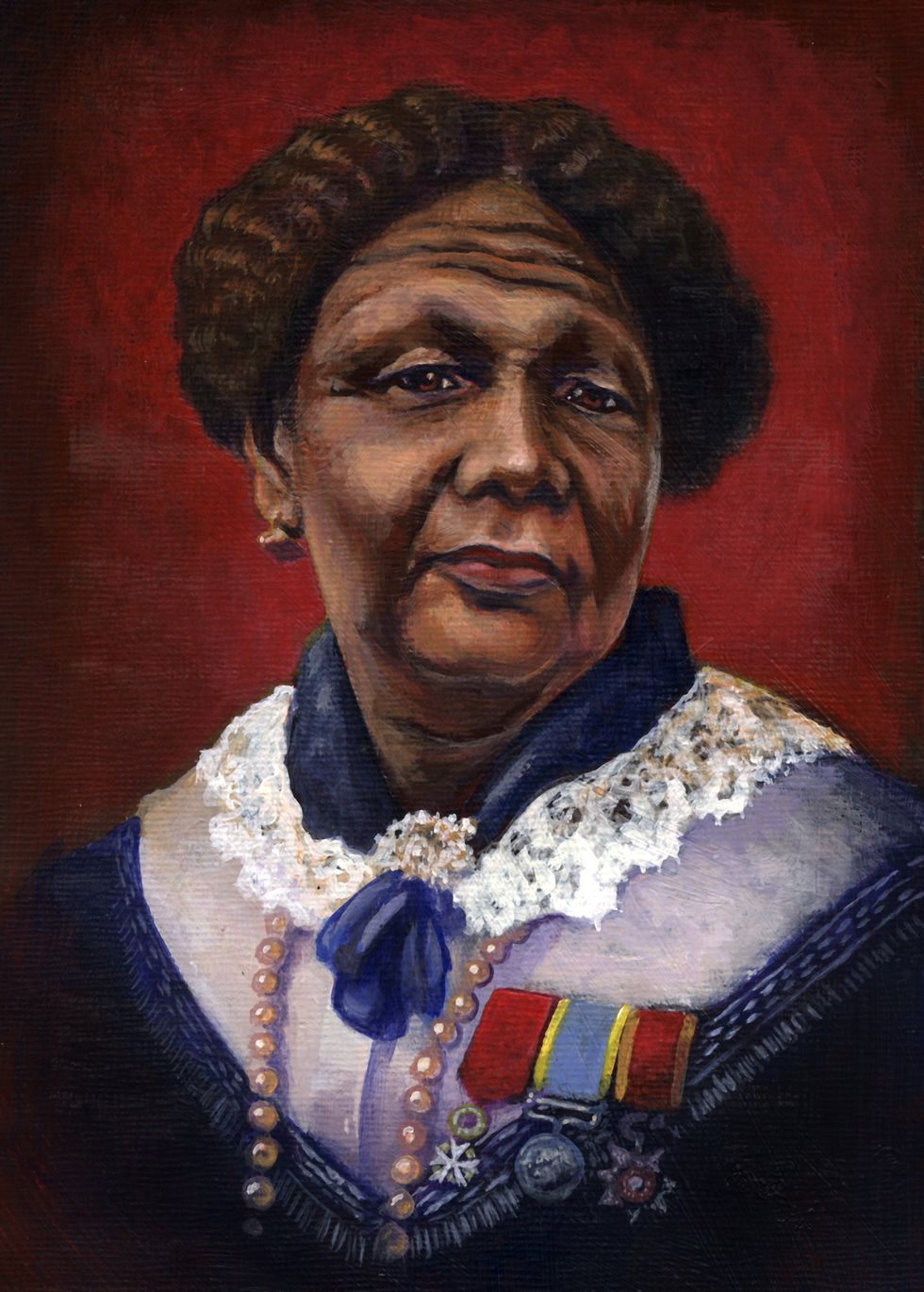
Mary Jane Seacole (1805-1881), was Jamaican-born and of Scottish and Creole descent; she set up what she called the 'British Hotel' behind the lines during the Crimean War
|GETTY
Ministers are expected to outline several innovative approaches on Monday. One proposal involves establishing water utilities as mutuals, giving residents collective ownership stakes, though this would necessitate extensive planning before construction begins.
Housing guidance issued by the Ministry of Housing, Communities and Local Government in January requires developers to incorporate home-working spaces, storage for bicycles and bins, and adaptable layouts accommodating growing families.
Neighbourhoods must feature ample green space and walkable access to shops and businesses.
The ministry has declared there will be "no longer be cookie-cutter neighbourhoods," addressing longstanding concerns that earlier new towns lacked distinctive character.
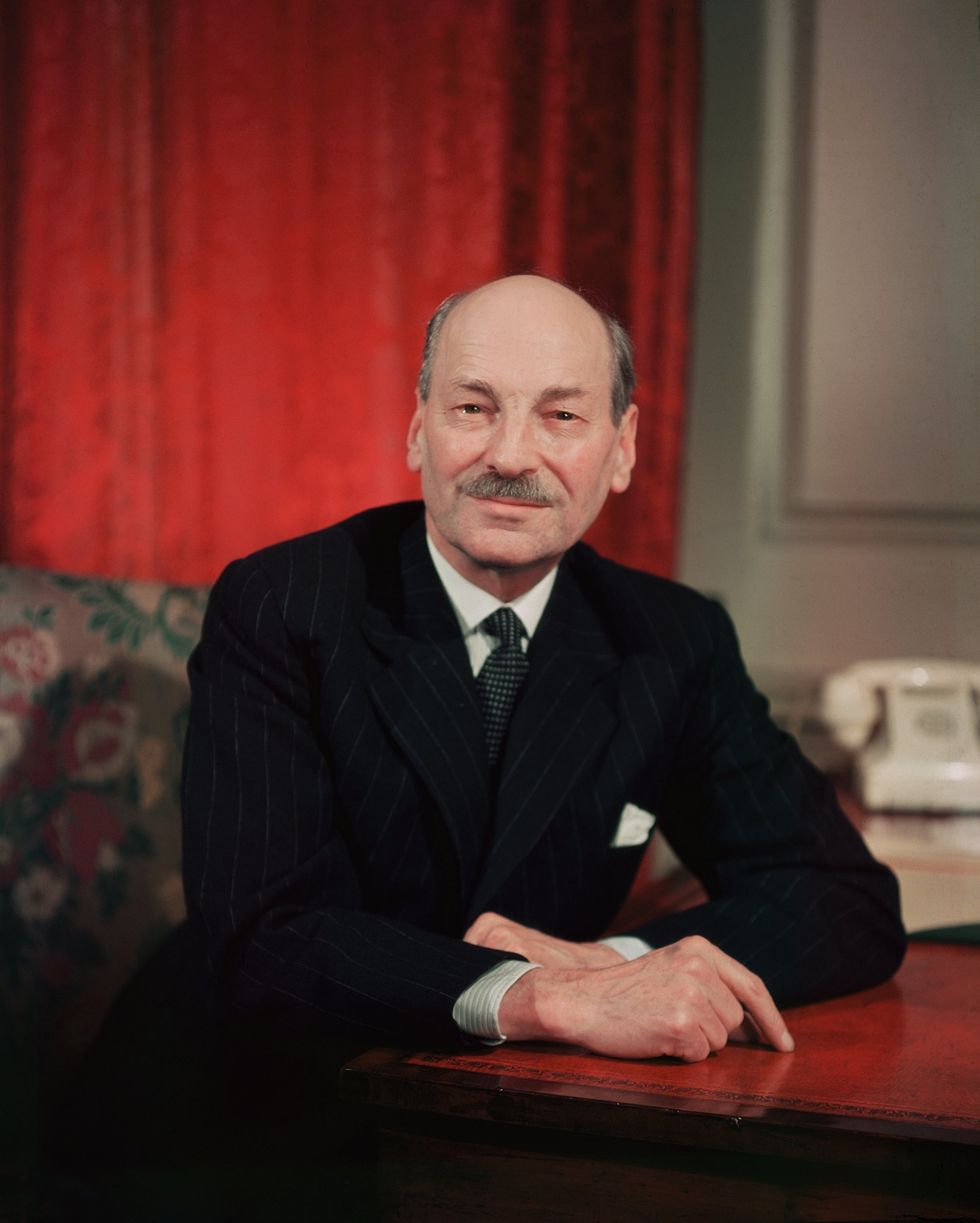
The Labour statesman Clement Attlee (1883-1967), who was Prime Minister from 1945 to 1951
|GETTY
Historically, British new towns have typically taken their names from existing villages or local landmarks, as with Stevenage and Milton Keynes.
Notable exceptions include Telford in Shropshire, named after engineer Thomas Telford when established in the 1960s, and Peterlee in County Durham, which honoured local miners' leader Peter Lee upon its 1948 founding.
Public confidence in the programme remains limited. A YouGov survey commissioned by the Royal Town Planning Institute found only 16 per cent of respondents believed Labour's new towns would prove successful over 50 years.
When asked what words came to mind regarding such developments, the most frequent response was simply "roundabouts."