



King Charles has been praised for "leading by example" in travel, opting for the greenest mode of aviation.
In 2022, the King was "pretty allergic" to taking a helicopter, with Buckingham Palace saying His Majesty would always "raise an eyebrow" to the mode of transport.
It appears this position has changed, with it being announced in June 2024 that the royal household will accept the delivery of two new leased helicopters.
Some 58,000 miles have now been racked up by the Royal Family with their AugustaWestland AW139s.
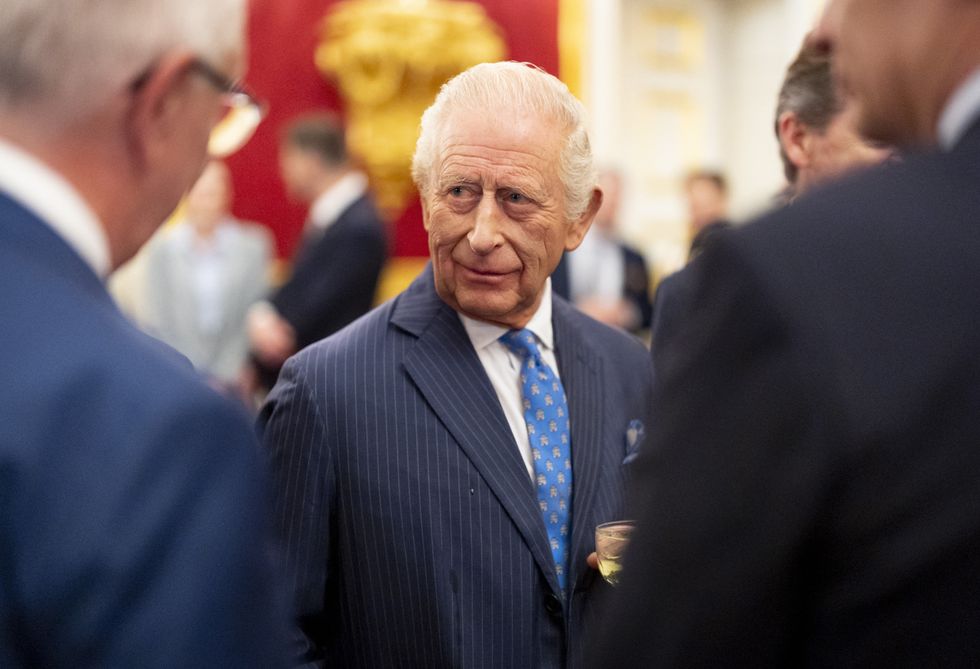
The King has been praised for 'leading by example'
| GETTYTRENDING
Stories
Videos
Your Say
Around 420 hours of flying time have been undertaken from the end of February to the end of November, as the royals opt to use the greenest form of travel.
According to flight data, Prince Anne appears to have used the new aircraft the most, with 68 stops at her Gatcombe Park home in Gloucestershire.
Some 47 stops were made in Windsor by Prince William and an additional five at Forest Lodge as the royal settled into his new family home.
The Prince of Wales has become a strong advocate for protecting the environment, using a helicopter to visit the England women's football team at their training venue, a women's rugby match in Exeter, and an Earthshot event in Norwich.
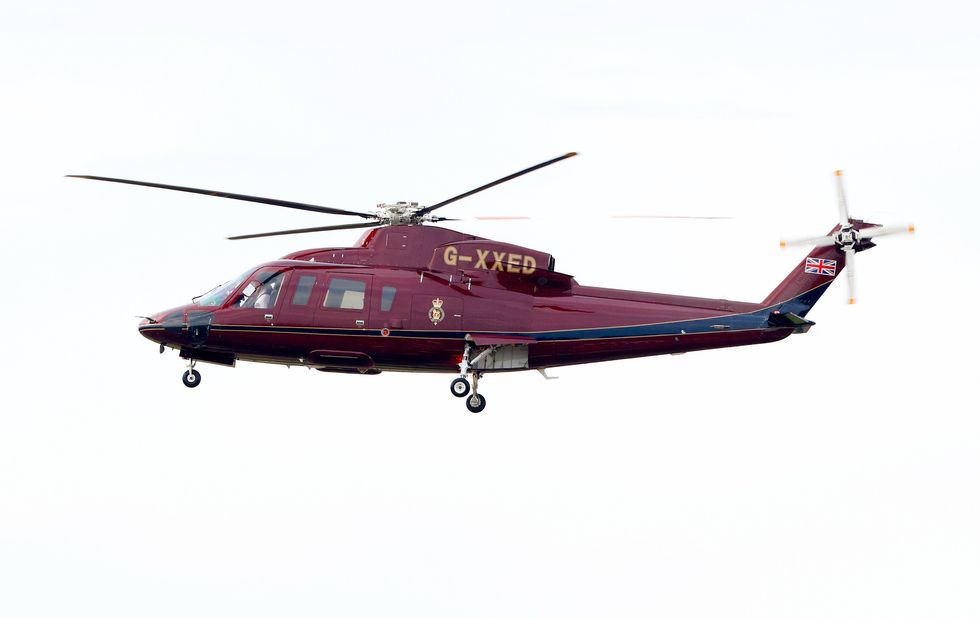
Some 58,000 miles have been racked up on the aircrafts
|GETTY
LATEST DEVELOPMENTS
On November 25, one royal helicopter flew just under 500 miles, from RAF Odiham to Forest Lodge, then making four visits before returning to base.
Some 14 stops occurred in Lacock, Wiltshire, near the Queen's private home, 11 at Sandringham, six at Dumfries House and five at Buckingham Palace.
Tim Fauchon, chief executive of the British Helicopter Association (BHA), praised the King for "leading by example" in using the greenest form of aviation.
Mr Fauchon said Charles's flight crew "actively seeks out" airports which can supply Sustainable Aviation Fuel (SAF) for its flights.
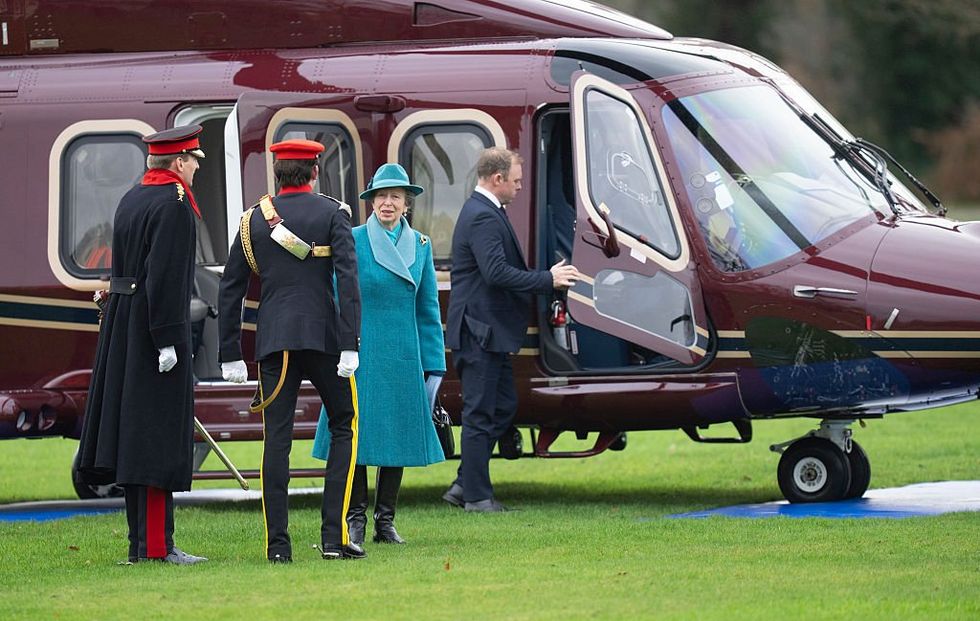
Princess Anne appears to have used the aircraft more than any other royal
|GETTY
He explained: "I know full well the Royal Flight do look for a blend.
"You've got to appreciate it comes as an expense… but the helicopter industry is very forward-leaning on doing the (regulatory) clearances for SAF."
Flight data revealed that between the two new helicopters, around 340 trips were undertaken over nine months, when considering journeys with stops of one hour or more as separate trips.
If the stopping time is reduced to under ten minutes, that number increases to around 700.
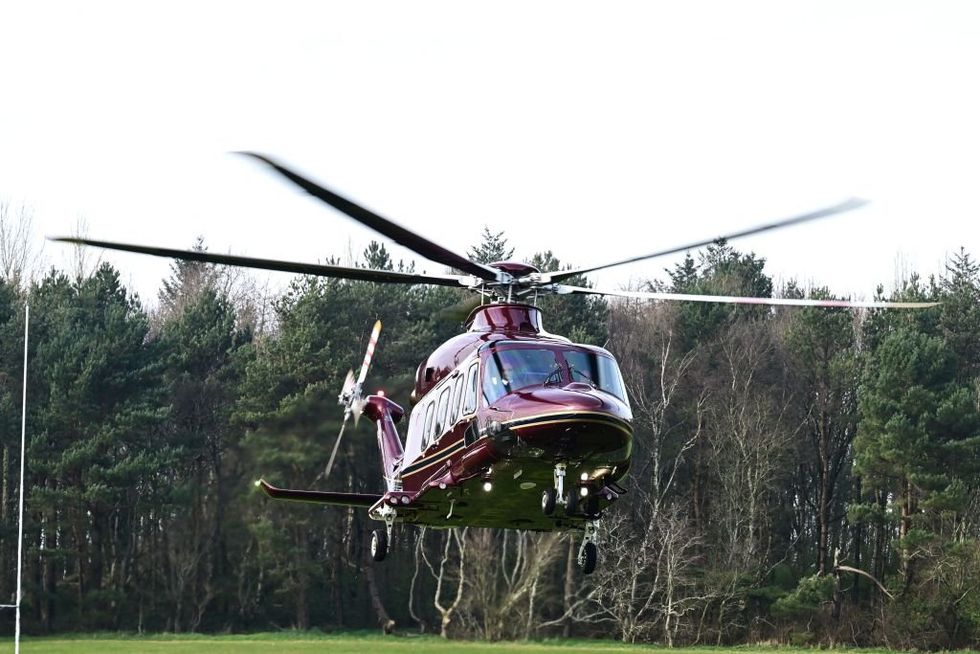
One royal helicopter flew just under 500 miles on November 25
|GETTY
The longest individual trip was a 372-mile venture from Dundee back to the RAF Odiham base on May 23.
The shortest flight carried the Princess Royal across the Channel Islands on May 10.
The Sovereign Grant covers the cost of royal travel, an annual payment to support official duties, which is made up of the profits from the Crown Estate.
In 2025-26, the grant increased to £132.1million from £86.3million the previous year.
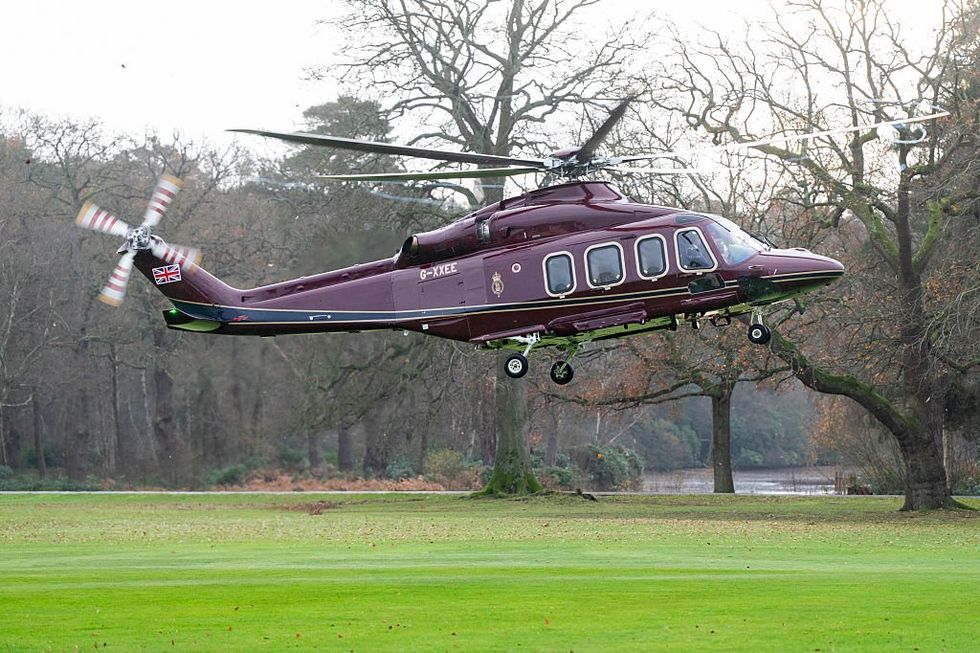
An aide said helicopters were 'a very important tool' for the royals
|GETTY
An aide noted last year that helicopters were "a very important tool" for the royals to get about, allowing them to be "seen throughout the length and breadth of the UK".
Asked whether helicopter use should be reduced, the official said: "If you're going to make an investment of that magnitude, then you need to sweat the asset.
"So, therefore, you need to maximise the utilisation of the aircraft otherwise you end up in a situation whereby a small number of visits, compared to the cost of running those assets, it does not make good financial sense."
A Buckingham Palace spokesman said: "Helicopters are a key component of the royal travel plan due to their unique capability to access remote regions of the UK which are not otherwise readily served by other modes of transport. They also allow members of the Royal Family to undertake multiple engagements in a given day."
Our Standards: The GB News Editorial Charter