









A new route named after King Charles will give complete access to England's coastal paths for the first time.
The King Charles III England Coast Path receives its official inauguration this week, representing a landmark achievement in a project spanning 16 years to establish a continuous walking route around England's entire shoreline.
Stretching approximately 2,700 miles from towering clifftops to sweeping sandy beaches, the trail will grant walkers an uninterrupted right of access along the nation's coast for the first time, with the sea remaining visible throughout the journey.
Currently, roughly four-fifths of the route is accessible to the public, with the vast majority of outstanding work set for completion during the summer months.
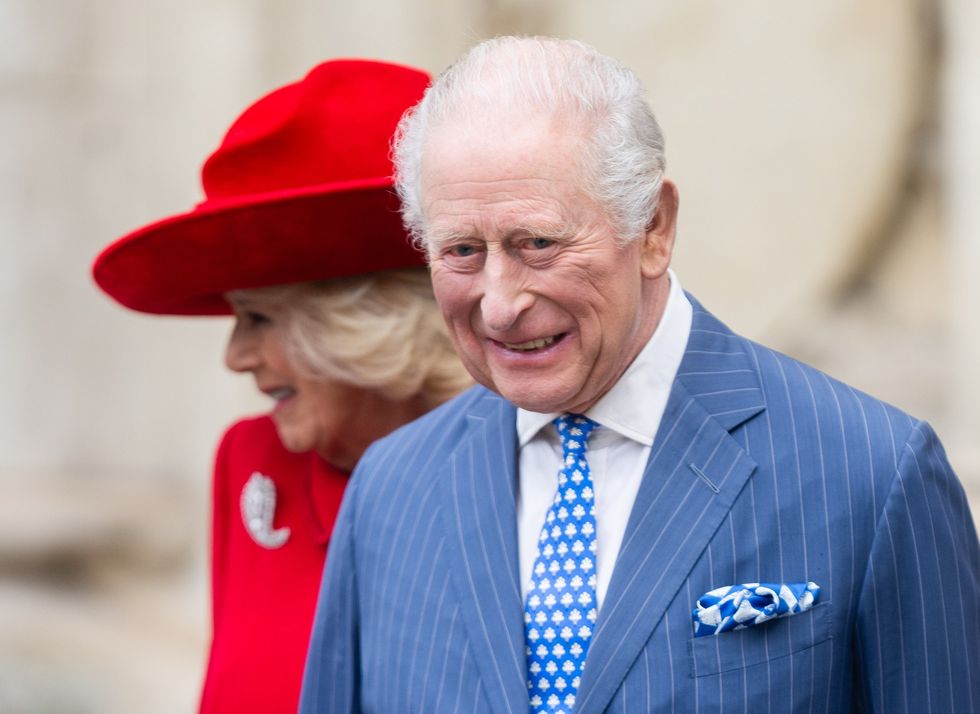
The new coastal route has been named after King Charles
|GETTY
Upon its anticipated finish next spring, the path will claim the title of the world's longest managed coastal walking trail.
The project has involved constructing more than 1,000 miles of entirely new pathways, while existing stretches such as the well-known South West Coast Path have undergone significant upgrades.
Infrastructure work has included erecting bridges and boardwalks, removing stiles that impeded access, and resurfacing worn sections of trail.
Planners have built flexibility into the route's design, incorporating a "roll back" mechanism that allows the path to shift inland as coastal erosion reshapes the shoreline.
This forward-thinking approach addresses the reality that significant portions of cliffs in areas such as Dorset and Norfolk have already succumbed to the sea in recent years.
A crucial milestone was reached when the final 78 miles of contentious sections were submitted to Environment Secretary Emma Reynolds for approval, following lengthy negotiations with coastal landowners over access rights.
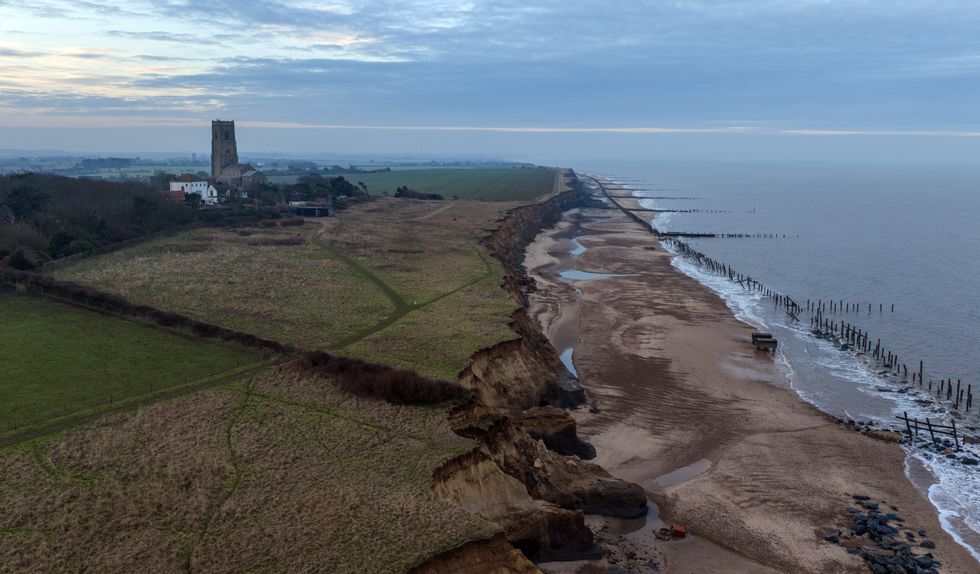
The route will offer uninterrupted right of access along the nation's coast for the first time
|GETTY
Photographer Quintin Lake completed the entire British coastal perimeter between 2015 and 2020, covering the distance across 454 days while typically walking between 12 and 24 miles daily.
His journey, documented in his book The Perimeter, frequently required detours along roads and crossing private property without permission.
"There was a lot of climbing over fences and having a series of unpleasant encounters with people saying: 'What are you doing on my land?'" the 50-year-old recalled, adding that navigation proved consistently difficult.
LATEST ROYAL NEWS:
Mr Lake praised the difference that proper trail infrastructure makes: "From a hiker's point of view, when you have a well-maintained path and good waymarking, it just makes it much more relaxing."
Having visited 75 countries, he maintains that Britain's coastline offers unparalleled variety, with walkers able to transition from urban environments to wild clifftops within hours.
Combined with the 870-mile Wales Coast Path, which opened in 2012, and Scotland's 3,260 miles of shoreline where right-to-roam legislation applies, the completed English route will unlock access to all 6,830 miles surrounding the British mainland for the first time in centuries.

The route was renamed following King Charles coronation in 2023
|GETTY
The path was renamed in 2023 to honour the King's Coronation and his well-documented passion for walking and the natural world.
Tony Juniper, Natural England's chair and a close associate of the monarch, has described him as "one of the most influential environmentalists of all time".
The economic case for the project is substantial, with visitors to England's coastal paths already generating £350million annually for seaside communities and supporting nearly 6,000 jobs.
Officials anticipate these figures will rise as the route's international reputation develops.