










Sir Keir Starmer has declined to make public the complete set of documents relating to Andrew Mountbatten-Windsor's decade-long role as Britain's trade envoy.
Downing Street defended the decision by arguing that releasing certain files could compromise the ongoing criminal investigation into the former prince.
Mr Mountbatten-Windsor has consistently denied any wrongdoing.
Trade minister Sir Chris Bryant informed the House of Commons that material potentially damaging to police enquiries would remain classified.
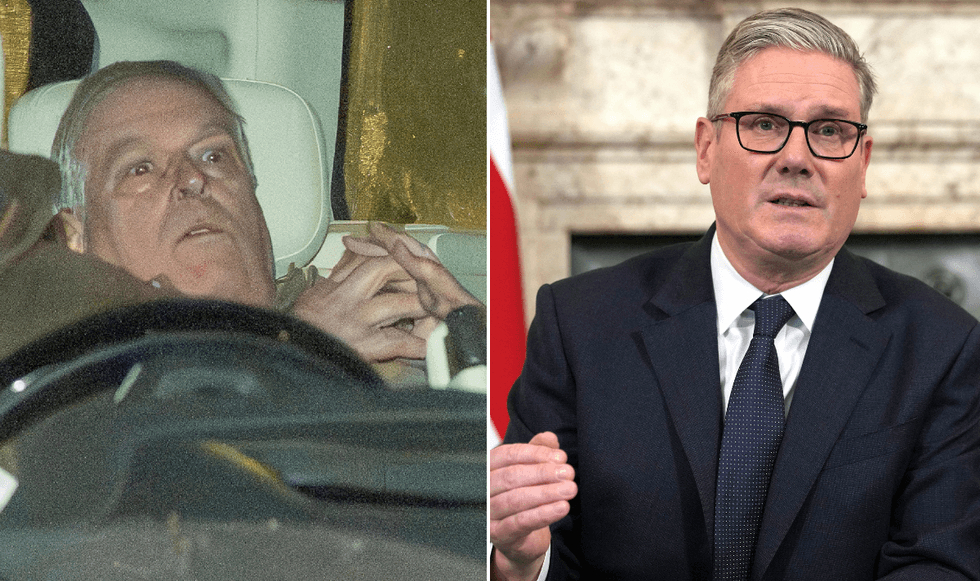
Keir Starmer refuses to make public complete set of Andrew Mountbatten-Windsor files
|GETTY
The Government has nonetheless committed to publishing substantial portions of the archive, with the first batch of paperwork expected to arrive next week.
Labour maintains it will release significant quantities of records whilst withholding sensitive documents that officials believe could jeopardise any future prosecution.
The position spans 25 years, meaning many files may exist only as physical copies, complicating the retrieval process.
Critics have attacked the review mechanism as fundamentally flawed, questioning whether genuine independence can exist when Government ministers hold ultimate power over what reaches the public.
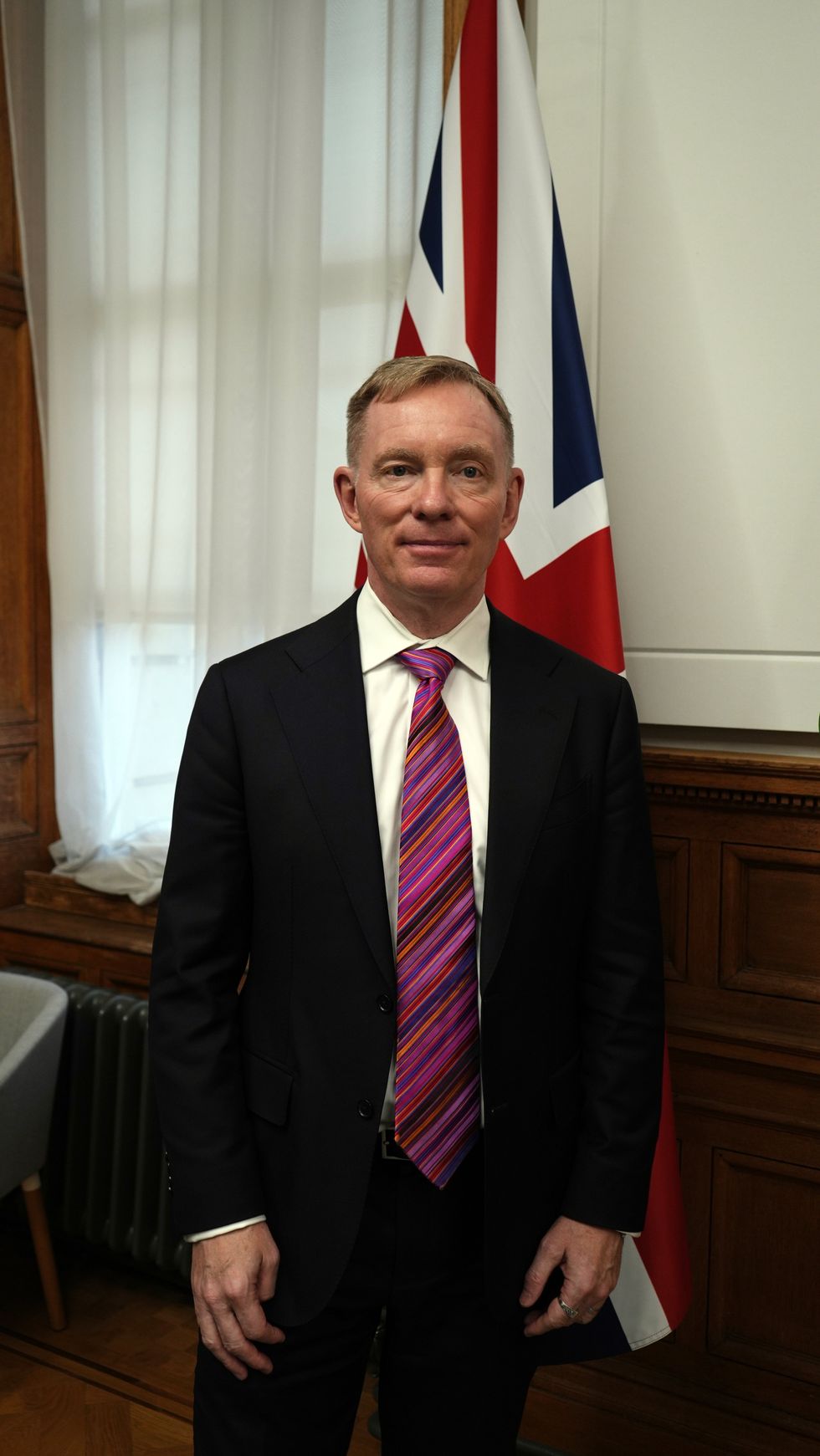
Trade minister Sir Chris Bryant informed the House of Commons that material potentially damaging to police enquiries would remain classified
|GETTY
The intelligence and security committee has been tasked with determining which passages require redaction before publication.
However, should the ISC and Cabinet Office disagree on what to conceal, ministers retain the decisive vote on disclosure.
A former senior civil servant with direct experience of the committee's operations dismissed the arrangement as hollow, telling reporters it cannot be considered "in any meaningful sense, an independent process."
The ISC has itself lodged formal complaints about Cabinet Office control over its staffing and resources, arguing in ministerial correspondence that "an oversight body should not sit within, and be beholden to, an organisation which it oversees."
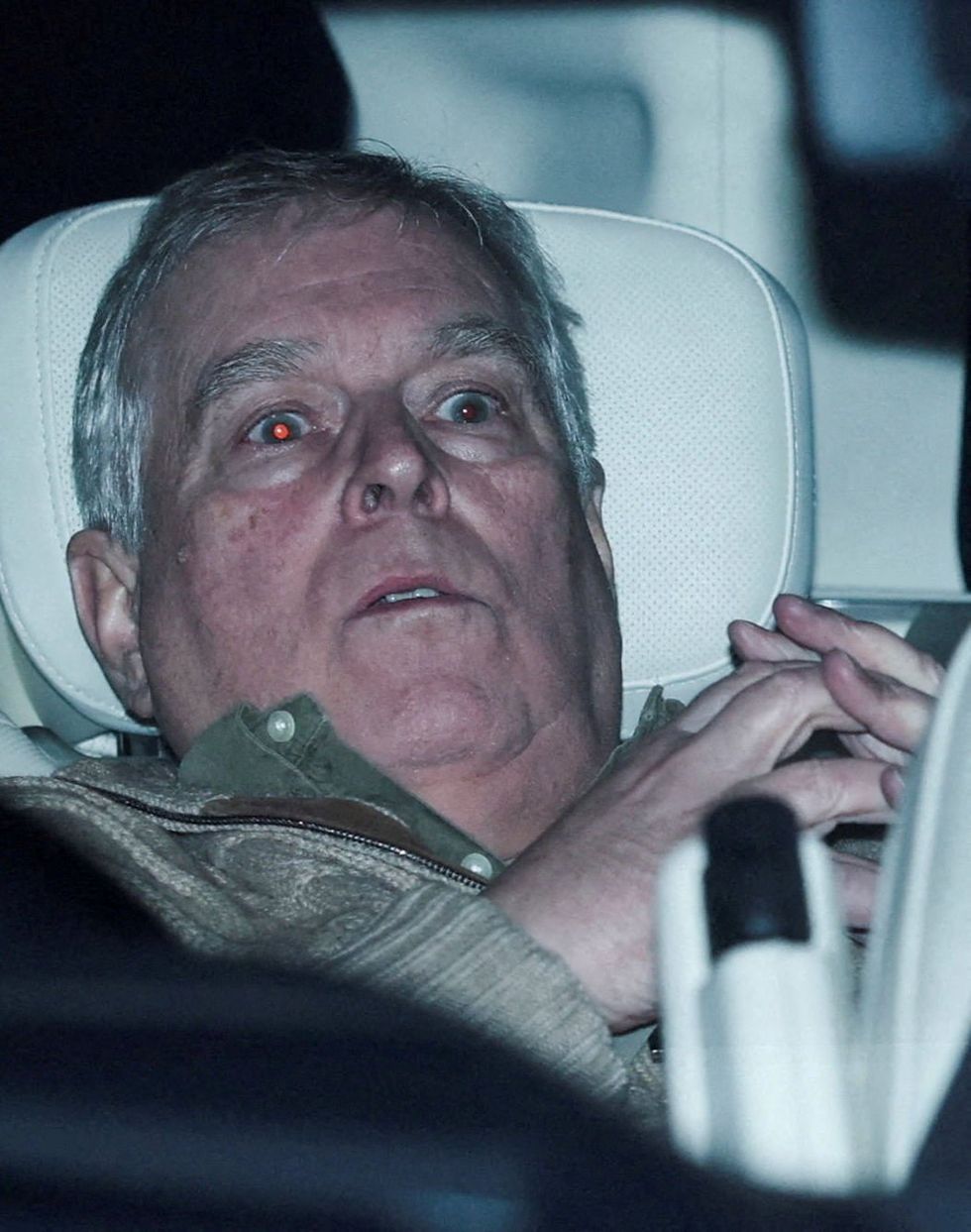 Andrew Mountbatten-Windsor was arrested last week in connection with allegations of misconduct in public office | GETTY
Detectives are currently examining allegations that the former prince passed sensitive Government correspondence to convicted sex offender Jeffrey Epstein during his 10-year tenure as trade envoy, which began in 2001.
Sir Chris Bryant told MPs that with proceedings now underway, neither he nor the Government could release anything "required by the police for them to conduct their enquiries unless and until the police are satisfied."
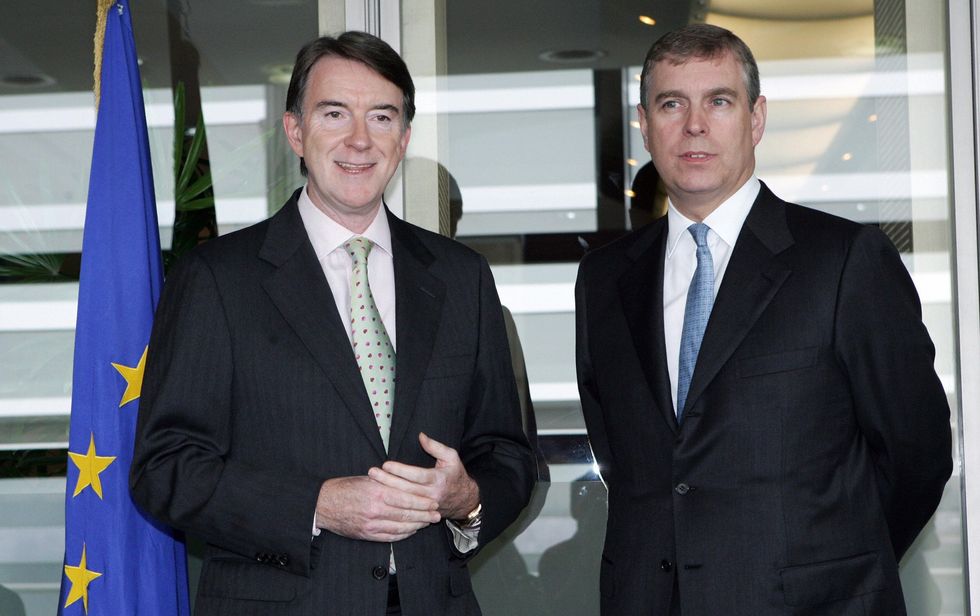
Peter Mandelson and Andrew at the EU Commission's Headquarters in Brussels in 2007
|GETTY
The Liberal Democrats spearheaded a parliamentary "humble address" motion demanding unrestricted access to all files documenting the former prince's trade envoy work, winning backing from Conservative and Reform UK MPs while Labour chose not to oppose it.
Sir Ed Davey welcomed the Speaker's decision permitting parliamentarians to openly criticise Mr Mountbatten-Windsor, breaking with constitutional conventions that traditionally shield royals from Commons attacks.
The party leader argued these protections had long prevented proper scrutiny of the former prince's Government role.
Officials have acknowledged that certain documents connected to the Mandelson appointment may not become public until well after Sir Keir leaves office, with some electronic communications potentially remaining sealed throughout any police investigation or prosecution, keeping them hidden until 2029 or later.