









United States President Donald Trump is planning to cut fighter jets in Europe by a third in yet another blow to Britain's defence woes.
It is also planning to reduce the number of warships it makes available for Nato operations.
The move would hinder Nato's long-range strike capability and conduct surveillance, The New York Times reports.
Plans include reducing the number of F-16 and F-15E fighter jets from around 150 to 100, as well as removing all eight aerial refuelling tanker jets and cutting down on naval reconnaissance aircraft from 26 to 15.
The US aims to also cut one out of two groups of bombers and redeploy a submarine and aircraft carrier, as well as warships and the jets which accompany the carrier.
America's Eastern Command said in a statement last week it was going to "rightsize" its contributions to Nato, without providing further details.
Mr Trump and his administration had repeatedly accused allies of underinvesting in their military capabilities and over-relying on the US's might.
He also has teased the idea of the US revoking its Nato membership.
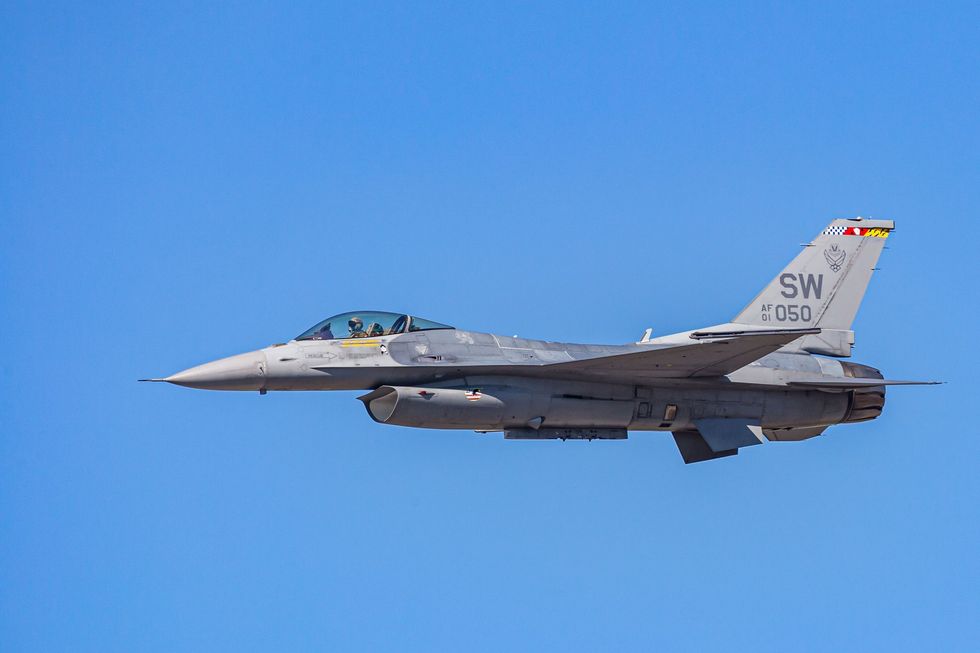
The US plans to reduce their F-16 and F-15E fighter jet offering by a third
|GETTY
Jabs have been made from the US since the Middle East conflict started on February 28 over the lack of European involvement.
As a consequence, the US has hit back by threatening to drop out of Nato, to which they say other members rely too heavily on America's military might and now, they are beginning to reduce their offering to the defence alliance.
US Defence Secretary Pete Hegseth swiped at European nations after praising Asian states for boosting defence investments in the face of hostilities from China.
Speaking at a conference in Singapore on May 31, he said: "When our interests align, we act together with focused resolve.
LATEST DEVELOPMENTS
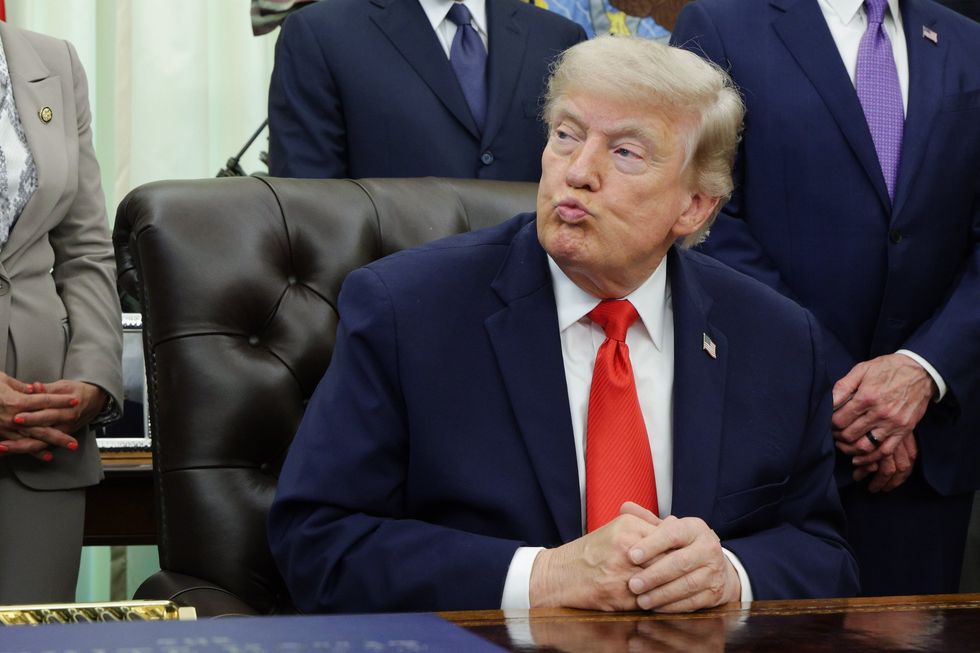
Mr Trump already ordered for 5,000 US troops to leave European bases in May
|GETTY
"When our interests diverge, we adjust pragmatically without the drama or the moralising. I think Western Europe might take note."
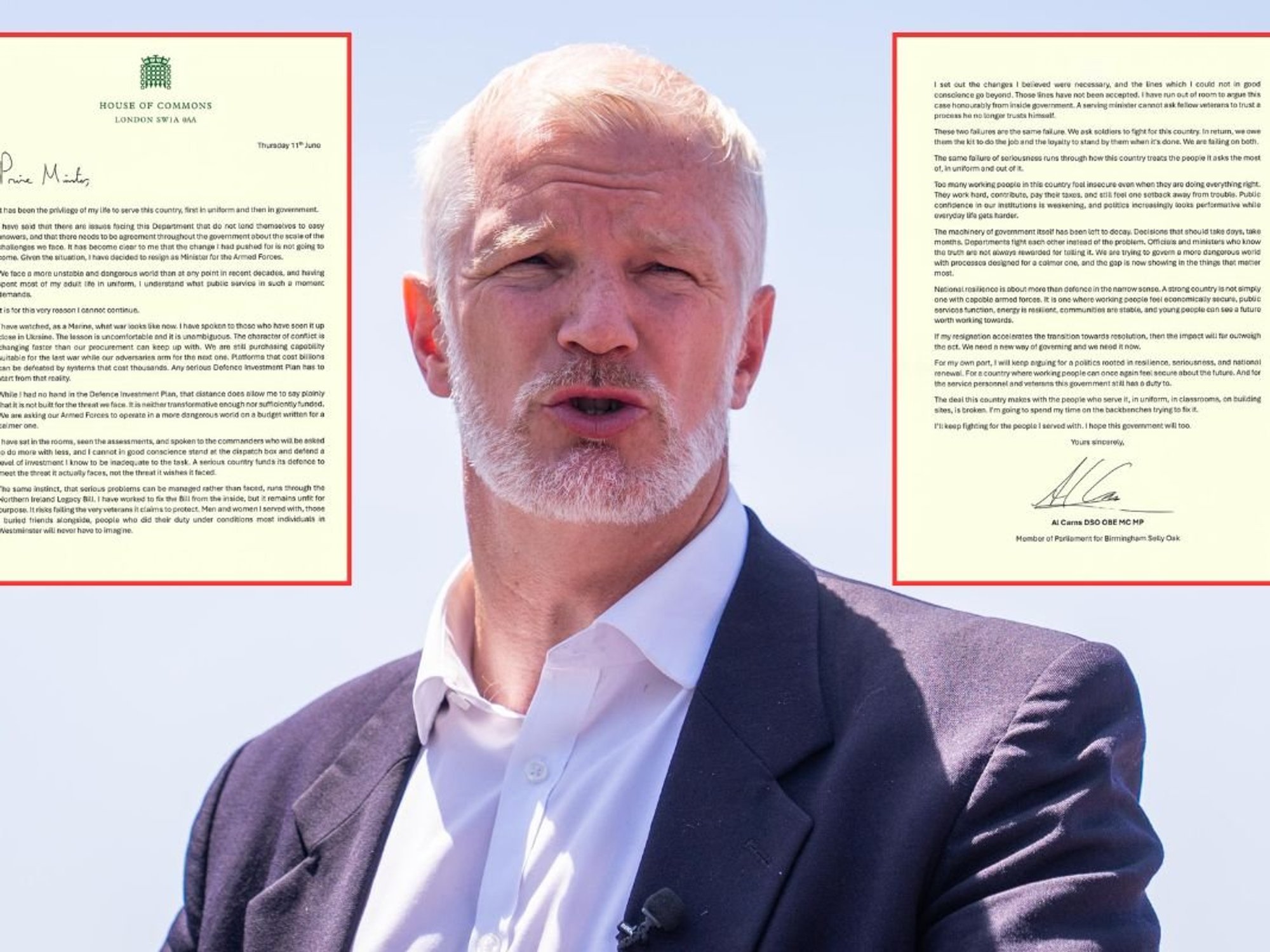
The revelation of US's proposed military cut backs is another blow the UK's defence woes as yesterday Sir Keir Starmer had two resignation letters on his desk - John Healey and Al Carns.
Former Defence Secretary John Healey first stepped down yesterday afternoon, citing Sir Keir has been "unable and the Treasury has been unwilling, to commit the resources that the nation needs to defend the country at this time of rising threats".
He continued to say the Prime Minister's "Defence Investment Plan (DIP) financial settlement... falls well short of what is required for defence and the country at this dangerous time".
Later in the day, Armed Forces minister Al Carns also announced he would be resigning from the frontbench.
Mr Carns accused the Prime Minister of "asking our Armed Forces to operate in a more dangerous world on a budget written for a calmer one".
He also referenced the long-awaited DIP, which was due to be published last Autumn, calling it "neither transformative enough nor sufficiently funded".
The absence of the DIP has left British companies who are contracted by the Government to supply military infrastructure in the dark, unable to plan for future demand.
Mr Healey's Parliamentary Private Secretary also quit - Pamela Nash, MP for Motherwell, Wishaw & Carluke said Labour "must do better".
The Prime Minister has refused to set out a timeline for spending 3.5 per cent of GDP on defence by 2035 - this is a promise he made to Mr Trump during a Nato assembly last year.
He also refused to outline when defence spending would reach three per cent.
Mr Healey was expecting an £18billion increase in defence over the next four years, but this this figure fell sort and he was offered £13.5billion instead.
These figures fall significantly short of the £28billion funding hole required for the Ministry of Defence's spending plans.
The lack of investment and mismanagement of defence is putting the UK's membership in Nato at risk, a retired general has said.
Sir James Everard, who was Nato's deputy supreme allied commander for Europe said: "For those who measure true capability and war-fighting readiness, UK standing in Nato is at an all-time low."
"This resignation [John Healey's] will further reinforce that their fears over UK commitment are justified. Is this position reversible for the UK? Yes, because our traditional leadership and combat power is both needed and desired, but only deeds will count, not words."