







Labour has been advised to ban the Muslim Brotherhood in a report that identified the group as presenting a long-term ideological and security risk to British society.
The new paper, from the Henry Jackson Society, argued the transnational Sunni organisation operates as a decentralised network of charities, advocacy groups and community organisations that promote a shared Islamist agenda.
Author Emma Schubart warned British policy has “relied on outdated assessments” and has created a “permissive operating environment” for the Muslim Brotherhood.
She contrasted this stance with the steps taken by allies in Europe and the Middle East, which have “already moved to protect their societies”.
TRENDING
Stories
Videos
Your Say
It stressed: “The issue is not Islam, a religion of peace and private devotion, but a specific Islamist ideology that seeks to subvert democratic norms.”
Justifying its recommendations, the report alleged the movement has historical and ideological links to extremist groups, particularly Hamas, and has influenced wider jihadist currents.
Narratives proposed by the Brotherhood were described as a “gateway to more extreme ideologies”, even where there is no direct involvement in violence.
The paper also raised concerns about the use of financial and charitable structures, which it said may lack transparency and could facilitate the Brotherhood’s broader objectives, even where activities remain legal.
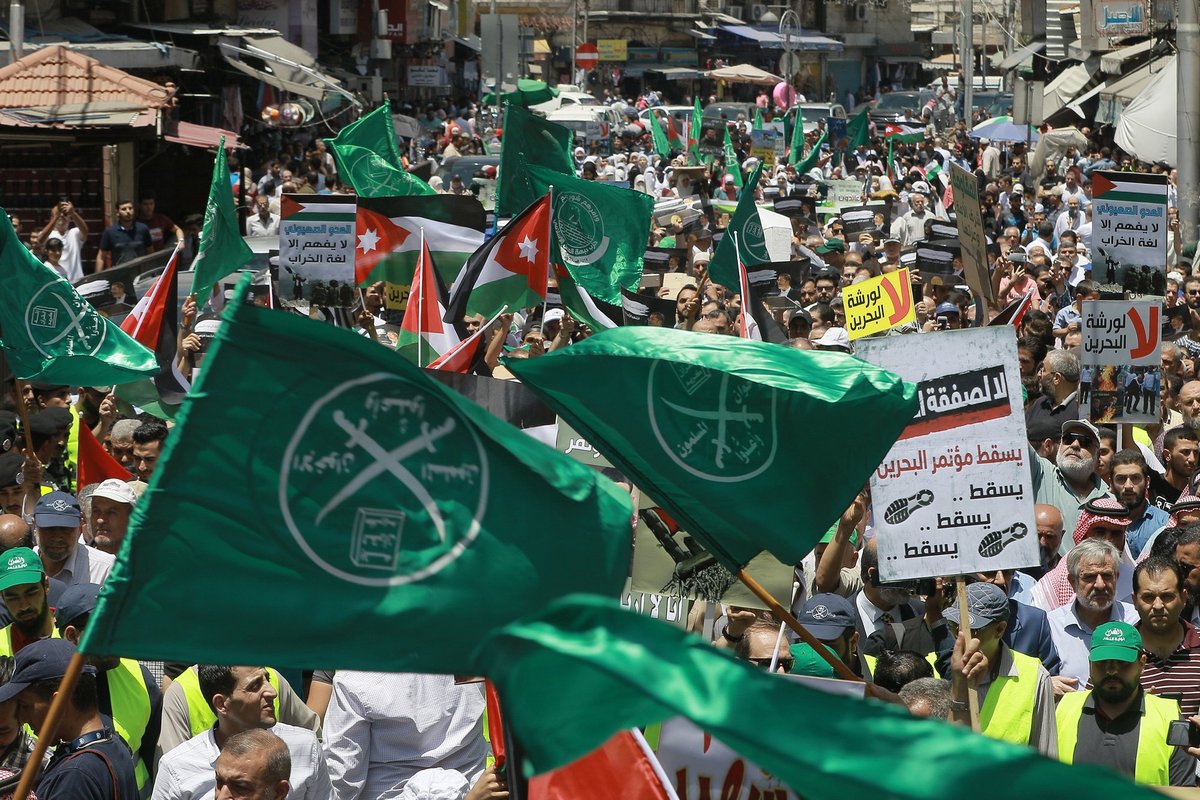
The British Government has been advised to ban the Muslim Brotherhood in a new report
|GETTY
Central to the report’s argument is the claim the Brotherhood pursues a strategy of gradual “entryism”, embedding itself within civil society and democratic institutions to expand influence over time.
The report suggested that this approach allows the organisation to operate below the threshold of terrorism legislation while still shaping political and social outcomes.
To respond to this, the paper recommended that the British state should “consider banning the Muslim Brotherhood under existing counter-terrorism legislation”.
Alongside this, it urged stronger oversight of organisations believed to be linked to the movement, particularly in the charitable and non-profit sectors.
LATEST DEVELOPMENTS
The Case for Banning the Brotherhood was published by the Henry Jackson Society
|HENRY JACKSON SOCIETY
The report argued authorities should increase scrutiny of funding streams and institutional affiliations, warning existing regulatory frameworks may not fully capture the breadth of the Brotherhood’s network.
It also recommended a broader strategic shift, calling for a more explicit recognition of what it describes as non-violent Islamist extremism as a policy priority.
This includes improving coordination across government and security agencies and ensuring that public bodies are better equipped to identify and respond to the group’s activities.
Governments across the world have taken an increasingly hard line on the Muslim Brotherhood, according to the report, which pointed to what it describes as a growing international consensus.
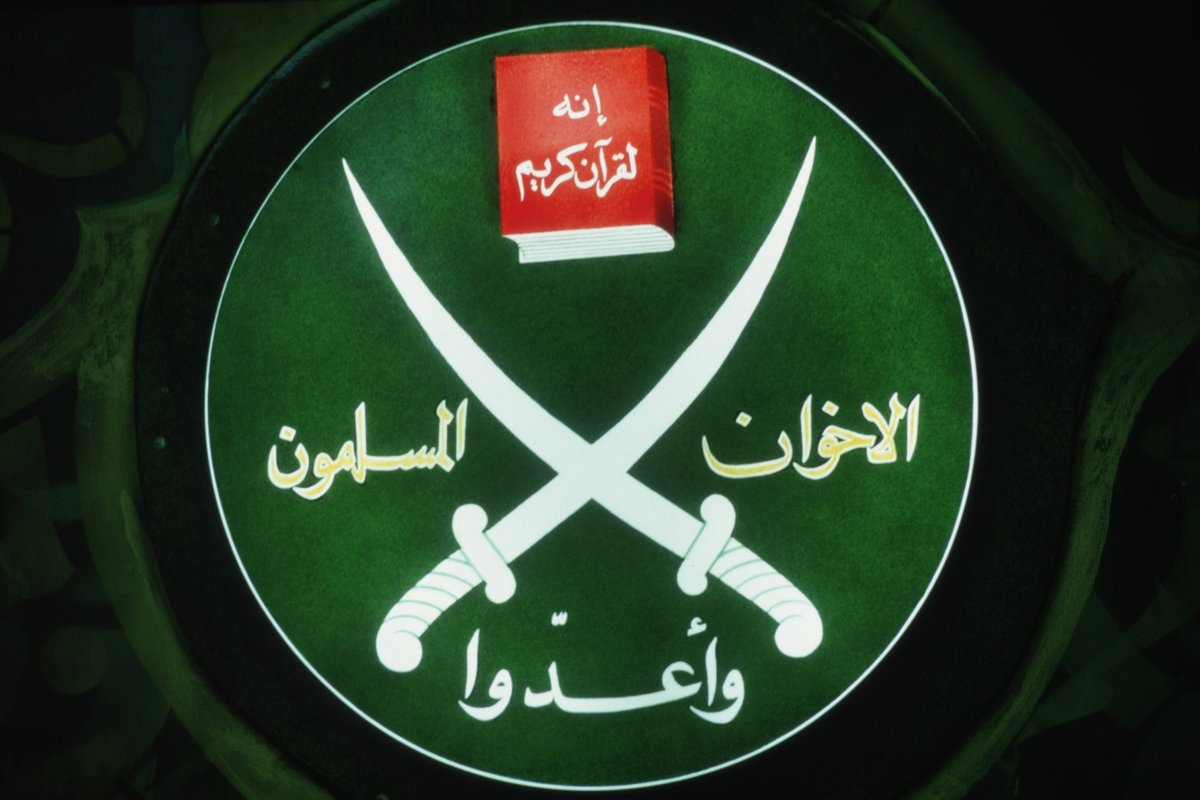
The UK was warned to have an 'outdated assessments' and has created a 'permissive operating environment'
|GETTY
“States across Europe, North America, Africa, and Asia have either banned the Muslim Brotherhood outright or designated its branches… as terrorist organisations,” the paper noted
Saudi Arabia has accused the organisation of “attempting to undermine the monarchy and sow regional instability", while the United Arab Emirates has alleged it was “plotting to overthrow regional governments".
The report presents these actions as part of a broader pattern, stating “a growing number of governments—secular and religious, democratic and authoritarian — have concluded that the Muslim Brotherhood poses a serious risk".
European concern is also highlighted, with lawmakers in France warning the movement represents “a threat to European values", while Western security services have, according to the report, “flagged Brotherhood networks as gateways to extremism".
A Home Office spokesman told GB News: “a=All forms of extremism have absolutely no place in our society and we keep the list of proscribed organisations under close review.
“We have some of the strongest laws in the world to protect our citizens from hatred and terrorism. We will continue to work with law enforcement and our international partners, ensuring we have the tools and powers to keep people safe.”
The People's Channel has approached the Muslim Brotherhood for comment.
Our Standards: The GB News Editorial Charter