







Conservative frontbencher Mel Stride has launched a scathing attack on Labour's handling of illegal Channel crossings following a damning National Audit Office (NAO) report.
The NAO's investigation revealed the asylum system is haemorrhaging public money, with expenditure reaching approximately £4.9billion during 2024-25.
Auditors tracked a sample of 5,000 individuals who lodged claims in January 2023 and discovered that more than half remain in limbo nearly three years later.
"Clearly these are very unsatisfactory findings," Mr Stride told GB News as he accused ministers of breaking their promise to tackle small boats effectively.
The Conservative frontbencher dismissed the bilateral agreement with France as worthless, stating the "one in, one out" arrangement had produced no discernible results while crossing numbers continued to climb.
TRENDING
Stories
Videos
Your Say
Mr Stride said: "While the Government said it was going to get a grip on small boats that it was all going to be terribly easy, that they’d deal with France and so on they’ve completely failed to do so.
“Numbers have been going up. This ‘one in, one out’ arrangement they agreed with the French has had absolutely no impact whatsoever, as far as I can see.
“We have a very clear approach to getting back on top of, and in control of, illegal migration.
"That involves stepping out of the European Convention on Human Rights so that we can deport people more swiftly.
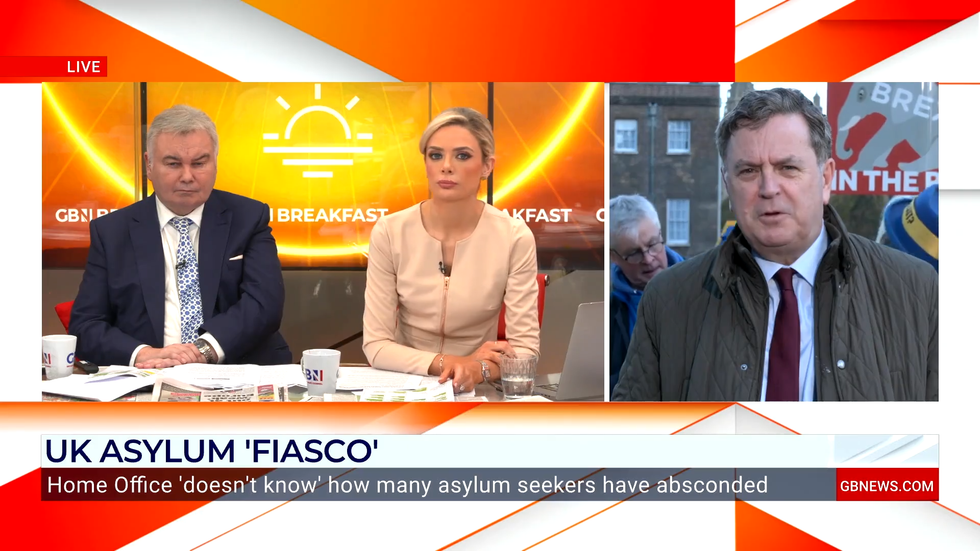
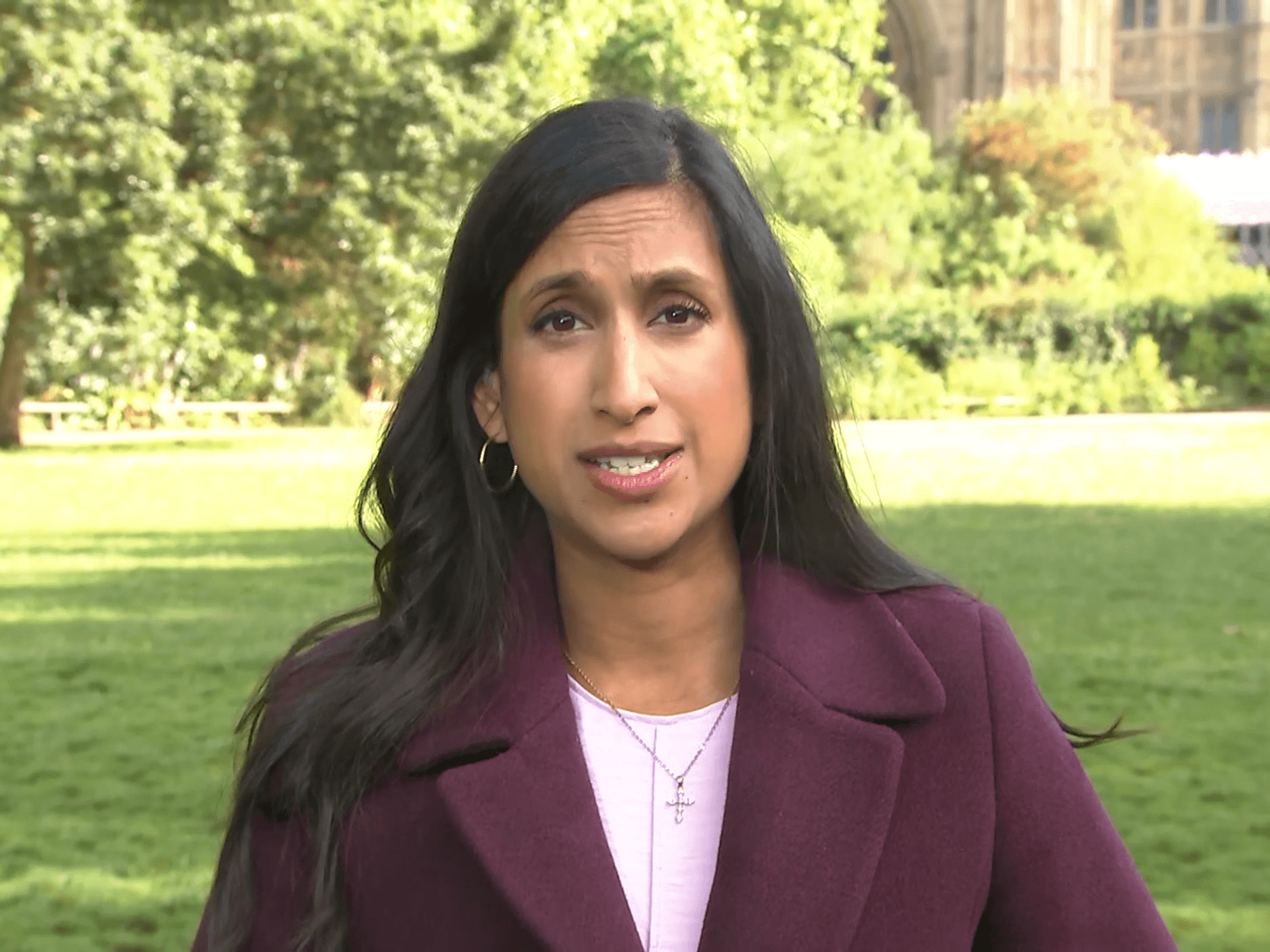
Mel Stride blasted the 'unsatisfactory findings'
|GB NEWS
“If people come here illegally, they should be intercepted and removed from our country within one week.
"It’s that level of deterrent that is going to stop this from happening.
“At the moment, people are calculating that if they pay money to these traffickers, there’s every likelihood they’ll get here and then stay here.
"That is what needs to be reversed and that’s what our plan would do.”
LATEST DEVELOPMENTS

Some 4,500 failed asylum seekers were still receiving state support last year despite having exhausted their claims
| GETTYRuth Kelly, the NAO's chief analyst, attributed the backlog to "difficulties in removal" including missing identity documents and uncooperative foreign governments.
Accommodation represents the largest drain on resources, consuming £3.4billion of the total expenditure, with hotel costs alone accounting for £2.1billion.
The watchdog criticised successive administrations for implementing reactive measures that merely displaced problems rather than solving them.
"Increases in speed of processing have sometimes come at the expense of the quality of decisions, and improvements in one area have shunted problems elsewhere," the report stated.
Auditors highlighted how Rishi Sunak's push to clear the legacy backlog in 2023 simply created a new bottleneck at the appeals stage.
The NAO warned that interventions had typically focused on fixing urgent issues in isolation without considering knock-on effects throughout the system.
Some 4,500 failed asylum seekers were still receiving state support last year despite having exhausted their claims.
A severe shortage of specialist immigration judges has emerged as one of the most critical obstacles, according to the NAO.
The watchdog also identified fundamental data problems, revealing there is no unique identifier allowing individual cases to be tracked across Home Office, court service and local authority computer systems.
Sir Geoffrey Clifton-Brown, chairing the Committee of Public Accounts, said the absence of reliable information had constrained decision-making across Whitehall.
The NAO found no single department bears overall responsibility for asylum outcomes, with the Home Office and Ministry of Justice operating separate systems that have stalled cases through frequent policy changes.
The Home Office defended its record, pointing to nearly 50,000 individuals without legal status who have been removed from the country.
More From GB News