











Wes Streeting has ordered a review of the diagnosis of mental health conditions as Labour continues to target welfare spending.
The Health Secretary is reportedly concerned about the sharp rise in diagnoses of mental illness, autism and attention deficit hyperactivity disorder (ADHD).
These conditions have become the most common reason for a sickness benefit claim.
Around 4.4 million working-age people claim disability or incapacity benefit, a sharp rise of 1.2 million since 2019.
TRENDING
Stories
Videos
Your Say
He told The Times: "I know from personal experience how devastating it can be for people who face poor mental health, have ADHD or autism and can’t get a diagnosis or the right support.
"I also know, from speaking to clinicians, how the diagnosis of these conditions is sharply rising.
"We must look at this through a strictly clinical lens to get an evidence-based understanding of what we know, what we don’t know, and what these patterns tell us about our mental health system, autism and ADHD services.
"That’s the only way we can ensure everyone gets timely access to accurate diagnosis and effective support."
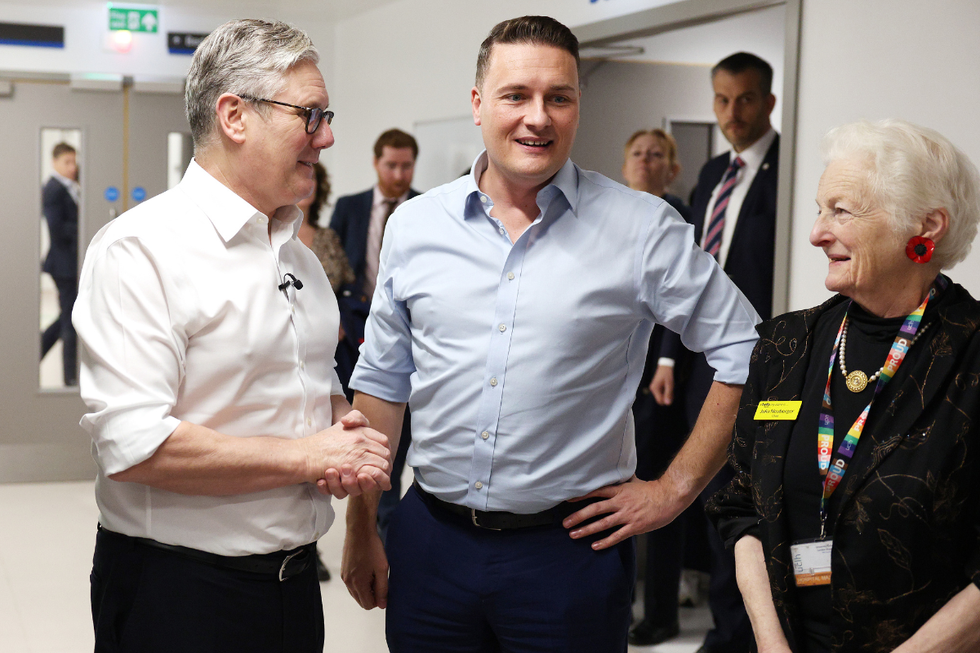
Wes Streeting and Sir Keir Starmer have pledged to end the 'cycle of worklessness'
|PA
The review is being led by clinical psychologist at University College London, Professor Peter Fonagy, with former President of the Royal College of Psychiatry, Sir Simon Wessely, acting as vice-chair.
Professor Fonagy said: “We will examine the evidence with care, from research, from people with lived experience, and from clinicians working at the frontline of mental health, autism and ADHD services, to understand, in a grounded way, what is driving rising demand.
"We owe it to children and families, young people and adults to provide government with advice that is proportionate, evidence-based and capable of improving people’s lives."
Mr Streeting, alongside Chancellor Rachel Reeves and Prime Minister Sir Keir Starmer, want to end the "cycle of worklessness" as the number of 16 to 34-year-olds off work with long-term sickness due to mental health conditions rose by 76 per cent between 2019 and 2024.
LATEST DEVELOPMENTS
- Pakistani drug dealer avoids deportation because he was 'star pupil' in school and it would 'negatively impact his mental health'
- New figures reveal thousands of officers on mental health leave as federation warns number of police off work could be 'far bigger'
- EXPOSED: NHS staff took 625,000 'sick days' for mental health in just one month
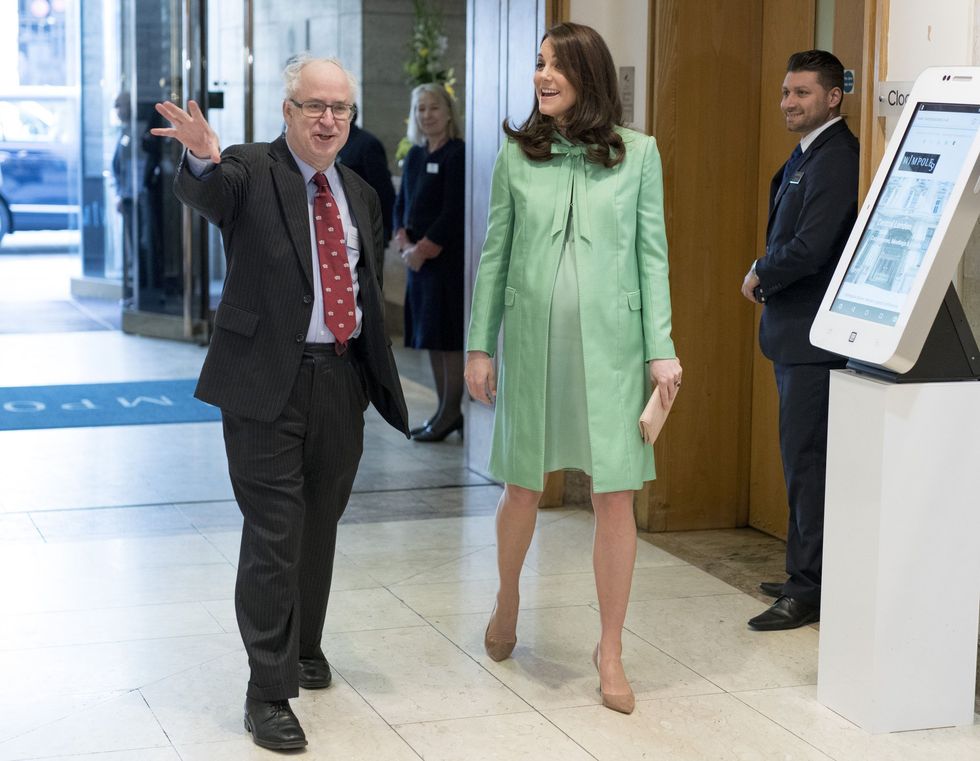
Sir Simon Wessely will act as vice chair for the enquiry
|PA
Meanwhile, MPs have called on the Government to continue funding 24/7 neighbourhood mental health centres to support people before they reach crisis point.
In a new report, the cross-party Health and Social Care Committee said "too many people with severe and enduring mental illness are continuing to fall through the gaps of our community mental health services".
MPs said many people experience unacceptably long waits to access care, are "discharged without ongoing support while they are still in recovery", and are denied care "because they do not meet arbitrary thresholds".
They added: "Too often, support is only available when people reach crisis point."
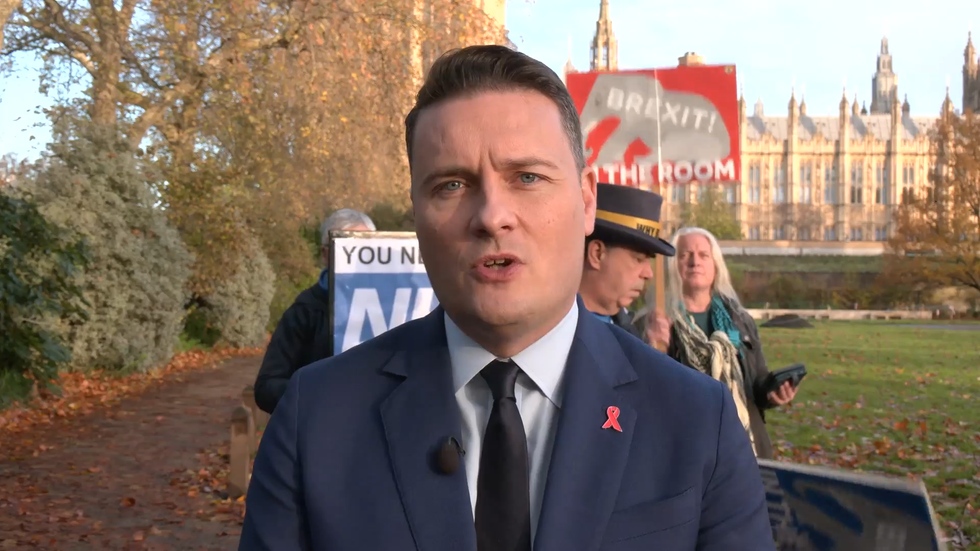
Health Secretary Wes Streeting has announced the inquiry
|GB NEWS
At the end of 2024, there were 664,412 adults with severe mental illnesses, such as bipolar or schizophrenia, who were accessing support from community mental health services in England.
Around 8.9 million people in England are on antidepressants, up from 6.9 million a decade ago.
Welcoming the enquiry, Chief Executive of the Mental Health Foundation Mark Rowland said: "This is a key moment to understand how the social, economic and technological changes of the last decade have affected people’s mental health and how we best respond.Too often people, especially young people, have had to reach crisis before they get support."
Chief Executive of Mind Dr Sarah Hughes added: "This is a huge opportunity to really understand what is driving increasing levels of mental illness, especially among our young people.
"More people need help than services can see, people’s mental health deteriorates while they wait, and when people do get access to support it is not always appropriate to their needs."
Our Standards: The GB News Editorial Charter
More From GB News