





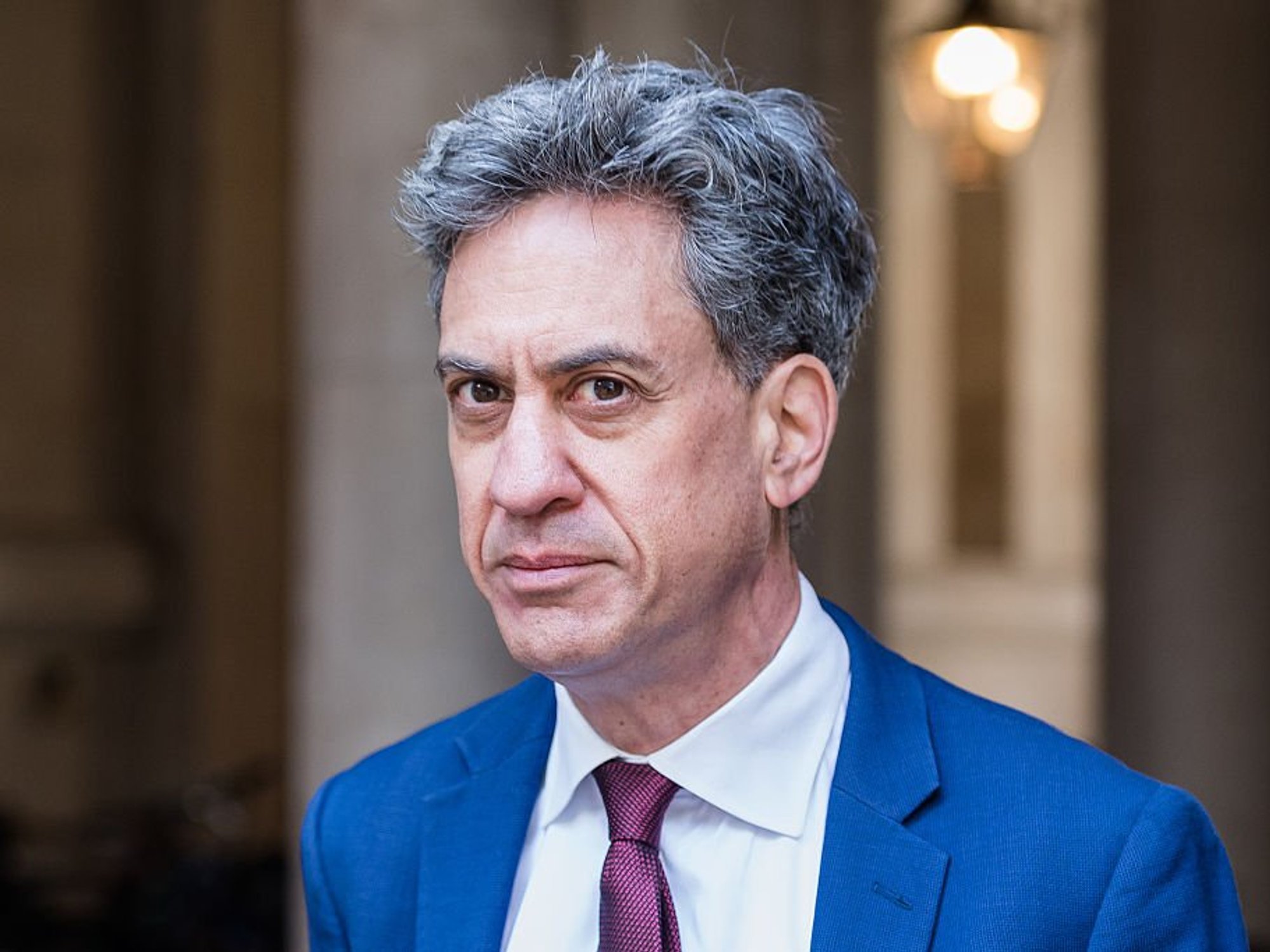
Sir Keir Starmer co-authored a report which found that throwing out jury trials led to wrongful convictions in Northern Ireland during the 1990s.
A 1992 report, co-written by the Prime Minister, concludes that the removal of juries in Northern Ireland during the Troubles increased the risk of wrongful convictions.
The document, produced by the Haldane Society of Socialist Lawyers, warned that the judge-only Diplock court system made it harder to properly test evidence and raise reasonable doubt.
This revelation, uncovered by the Telegraph, poses as threat to the Justice Secretary, David Lammy's proposal to limit jury trials in England and Wales to reduce backlog in the courts.
TRENDING
Stories
Videos
Your Say
This is another blow to Mr Lammy's efforts, as he has already been made to assign a place on the public bill committee to a rebel Labour MP, to prevent opposing members from voting against the reform.
Sir Keir said earlier this year that slashing jury trials was a "fundamental argument of principle" in order serve justice to victims.
This is a change of tune from the early-90s report that the Prime Minister help write, as it concludes the absence of juries collapsed the separation between judging facts and applying the law.
It wrote: "The state of the law is such that it enables wrongful convictions to occur in the absence of any procedural or judicial error."

Sir Keir Starmer was in Ireland on Thursday for a summit in Cork
|PA
It added that the Diplock courts were “failing to secure reliable convictions based on properly tested evidence”.
The system, introduced during the Troubles to deal with terrorism-related offences, allowed serious criminal cases to be heard by a judge alone without a jury.
Sir Keir, who was working as secretary for Haldane Society of Socialist Lawyers at the time, and his fellow authors argued that removing juries marked a major break from a long-standing legal tradition in the UK.
The report said the jury system had long been a cornerstone of trial procedure and an important safeguard in a democratic society, ensuring evidence was scrutinised and contested in open court.
LATEST DEVELOPMENTS
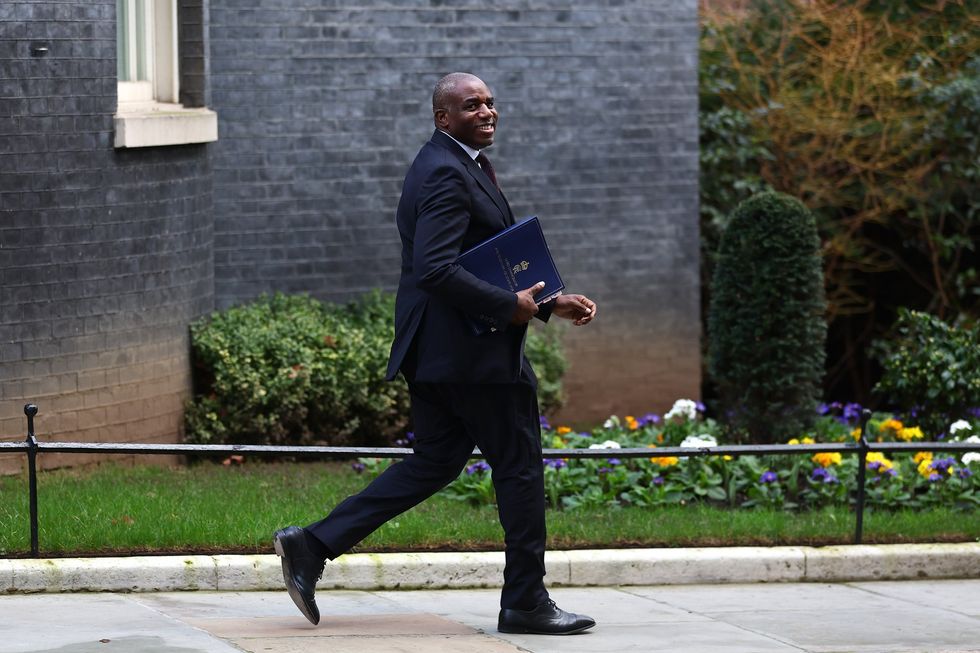
Under proposals spearheaded by David Lammy, juries would be reserved primarily for the most serious offences such as murder, rape and manslaughter
|GETTY
According to the document, the absence of a jury meant the usual separation between the judge and those determining the facts of a case was effectively removed.
This, the authors suggested, made it harder for the defence to challenge evidence in the same way it could in a conventional trial.
They warned that the trial process risked becoming streamlined to the point that key stages of scrutiny were weakened.
The report described what it called a “telescoping” of proceedings, with some cases increasingly being decided on written submissions rather than detailed oral hearings.
Under such circumstances, it argued that cross-examination could be reduced and witnesses might not face the same level of questioning about the reliability of their testimony.
As a result, the authors said the ability of defence teams to raise reasonable doubt could be significantly curtailed.
They also highlighted conviction rates of more than 90 per cent in Diplock courts, raising concerns that the structure of the system made guilty verdicts far more likely.
The report further suggested that judges repeatedly hearing similar cases could become subject to what it described as “case-hardening”, potentially affecting their ability to remain detached when assessing evidence.
Critics of the Government’s proposed reforms say the findings mirror many of the arguments now being raised against plans to restrict jury trials.
Nick Timothy, the shadow justice secretary, said the Prime Minister should revisit the conclusions of the report he helped to produce.
He argued that the document contained many of the same warnings currently being made by legal professionals and MPs who oppose the changes.
Mr Timothy said judge-only trials risked stripping away vital protections for defendants while placing additional pressure and scrutiny on judges tasked with determining both the facts and the law.
The controversy comes as the Government attempts to push through legislation aimed at tackling a record backlog in the criminal courts.
Under proposals being advanced by Mr Lammy, juries would be reserved primarily for the most serious offences such as murder, rape and manslaughter, as well as crimes carrying sentences of more than five years.
Supporters of the plan argue that changes are necessary to speed up trials and prevent delays that leave victims waiting years for justice.
However, the reforms have already sparked unrest within Labour’s own ranks, with dozens of MPs initially signalling they were prepared to vote against the bill.
Karl Turner, the Labour MP leading opposition to the reforms, said the Diplock courts report showed that abandoning jury trials could lead to what he described as a “clear injustice”.
He argued that while ministers may focus on the cost and delays associated with jury trials, the right to be judged by a jury remained a fundamental protection within the justice system.
A Government spokesman defended the proposals, saying the justice system had evolved and that modern cases often involved far larger volumes of digital and forensic evidence.
The spokesman added that prioritising jury trials for the most serious offences would help deliver fairer and faster justice for victims.
More From GB News