









As oil prices soar to their highest level in four years, all eyes are on the North Sea. Its resources powered the UK for decades. They sit in relative safety, hundreds of miles from the war in Iran.
Ought they not to provide a ready-made supply of energy and shield us from the worst of the crisis? President Trump certainly thinks they would help – among the advice he gave Sir Keir Starmer shortly after bombs began falling on Iran was “open up the North Sea”.
Former Prime Minister Tony Blair’s institute has also recently weighed into the argument, calling for the Government to make investment in the North Sea more attractive.
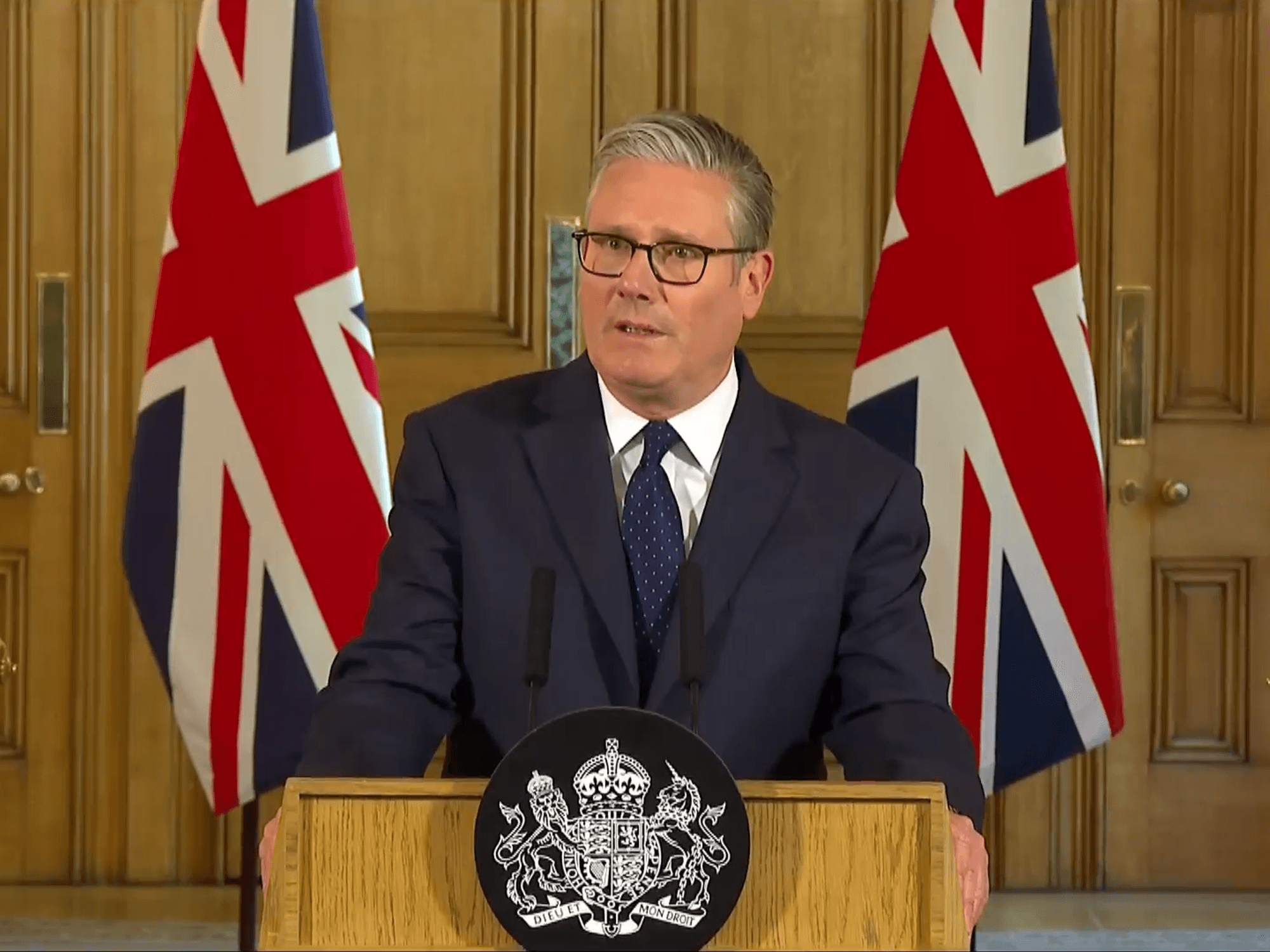
But the Department of Energy Security and Net Zero (DESNZ) insists that its approach - a de facto ban on new North Sea exploration licences - is the correct path.
“Issuing new licences to explore new fields will not take a penny off bills, cannot make us energy secure and will only accelerate the worsening climate crisis,” a spokesman said, shortly after Trump’s comments.
So is the North Sea a relic from a bygone age that threatens to damage the planet, or a panacea for our energy woes? Should we keep the oil in the ground to save the climate, or are we confusing an ethical issue with a strategic one? Experts – including those within the North Sea camp – are in agreement that further exploration would have no effect on UK prices, at least not in the short term.
Licences to drill for oil belong to the companies doing the extraction. Eighty per cent of this oil is exported, and because the North Sea is a small player in global terms – under one per cent of output – its volumes have little effect on global prices.
Further, North Sea production peaked in the 1990s and has since fallen by 68 per cent.
What oil and gas remains is contained in smaller and more technically challenging fields. The costs of extracting it, say critics, would not be attractive in a market where prices are lower elsewhere.
But the objections go beyond the financial and into the world of net zero.
DESNZ says that the ban on new licences “puts the UK at the forefront of global efforts to tackle the climate crisis, reflecting the science of new fossil fuel exploration being incompatible with limiting warming to 1.5C”.

The Iran war exposes Ed Miliband's Achilles heel - but is North Sea oil the answer to our energy conundrum?
|Getty Images
But advocates of North Sea development say this approach is treating a strategic issue as a “moral signal”.
Researchers from the Tony Blair Institute called for a rethink on our approach to the North Sea in a report published just weeks before the war broke out.
They wrote: “Even as UK production declines, the country will continue to consume oil and gas for decades. Allowing domestic production to fall faster than demand simply increases exposure to international markets and geopolitical risk, without reducing global emissions.
“In a world of rising energy demand, tighter public finances and intense geopolitical competition, the UK cannot afford to treat domestic production as a moral signal rather than a strategic asset.”
Even within the environmental argument, it is accepted, under net zero plans, that the UK will still need some gas reserves.
Importing hydrocarbons, researchers say, could be more energy intensive – and climate harming – than harvesting them domestically.
In a report for think tank the Institute of Economic Affairs, Energy analyst Kathryn Porter addressed this point as she called for the Government to drop windfall taxes on North Sea oil producers.
She wrote: “Meeting our oil and gas needs through imports will almost certainly be more environmentally harmful than domestic production, but the prospects for that production are limited by adverse political rhetoric and the highly damaging impact of the windfall tax.”
Energy Secretary Ed Miliband agrees North Sea oil is “an incredibly important resource”, pointing towards Labour’s manifesto commitment “of keeping existing oil and gas fields open for their lifetime”.
But he maintains we should not widen up North Sea exploration. He says it is green energy, not oil, that will solidify the UK’s energy supplies and result in us being less reliant on other countries.
When North Sea oil was discovered in the late 1960s, it promised to herald in an era of plentiful, cheap power. More than half a century on, the country sits at another energy crossroad.
As oil prices soar and the world grows increasingly uncertain, the siren voices urging ‘drill, baby, drill’ show no signs of quietening.
More From GB News