








A former Nato chief has slammed Sir Keir Starmer for "corrosive complacency" after warning Britain's national security is now "in peril".
Lord George Robertson, who served as Nato general-secretary and authored the Government's Strategic Defence Review (SDR), accused the Prime Minister of "not [being] willing to make the necessary investment" to protect the UK.
He is expected to issue a damning verdict on the state of the Armed Forces at a speech in Salisbury today.
"We are underprepared. We are underinsured. We are under attack. We are not safe," the ex-Labour Defence Secretary is expected to say.
TRENDING
Stories
Videos
Your Say
"Britain's national security and safety is in peril."
Having led Nato from 1999 to 2003, Lord Robertson will also say in his speech that "non-military experts in the Treasury" are causing "vandalism".
He will continue: "There is a corrosive complacency today in Britain's political leadership.
"Lip service is paid to the risks, the threats, the bright red signals of danger - but even a promised national conversation about defence can't be started."
Speaking to The Financial Times ahead of his speech, Lord Robertson referenced the "ever-expanding welfare budget" as a reason why we cannot "defend Britain".
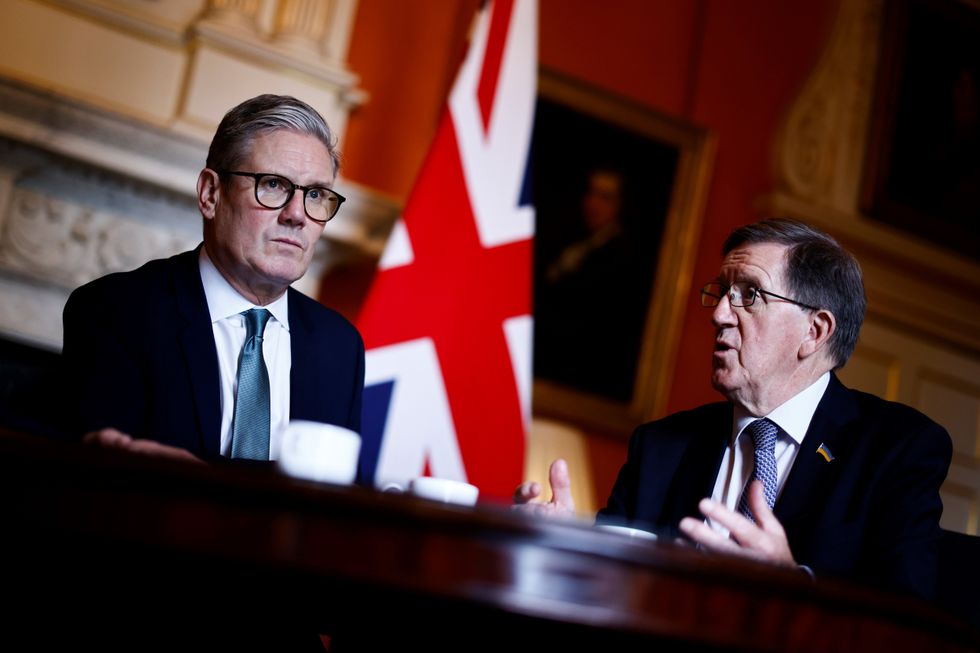
Lord George Robertson and Sir Keir Starmer in 2024
|GETTY
The SDR, delivered in June last year, was "backed by the largest sustained increase in defence spending since the Cold War, with a total of over £270billion being invested across this Parliament", a Government spokesman said.
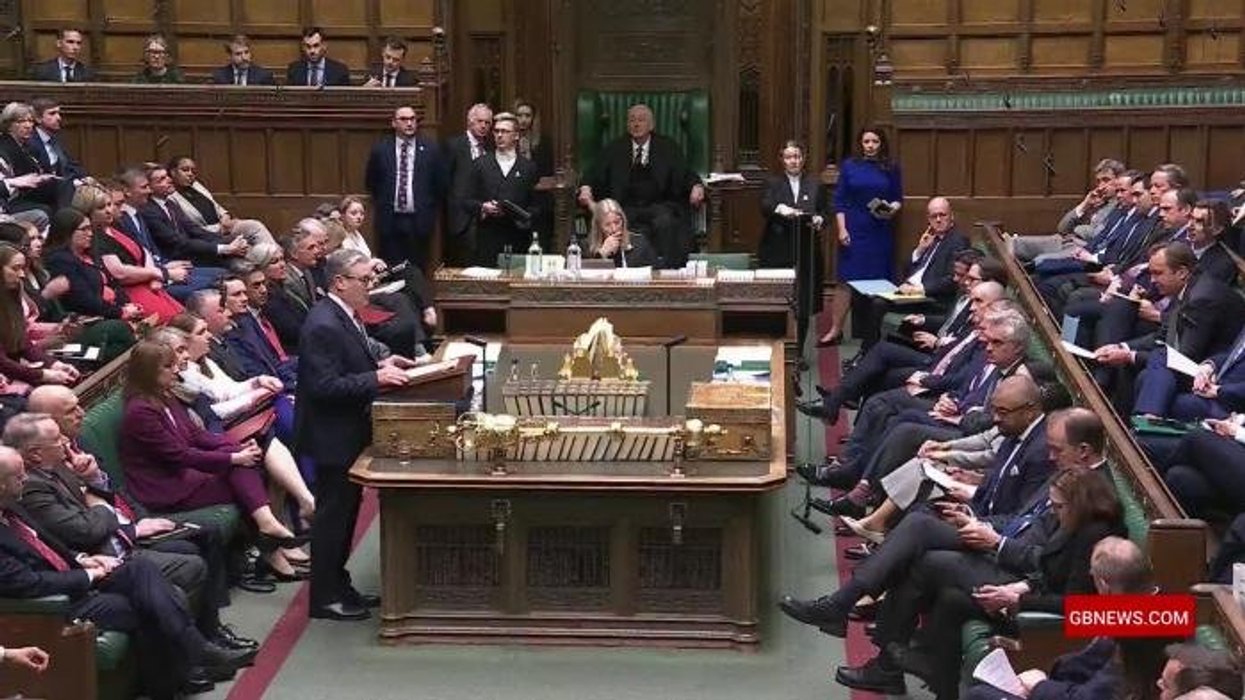
However, the Defence Investment Plan (DIP) is still outstanding, with Tory leader Kemi Badenoch pointing out the issue in the House of Commons on Monday.
She said the DIP was "nowhere to be seen" and called upon Sir Keir to find a way to increase defence spending before the end of the Parliament.
Sir Keir has previously said the DIP was being "finalised".
LATEST DEVELOPMENTS
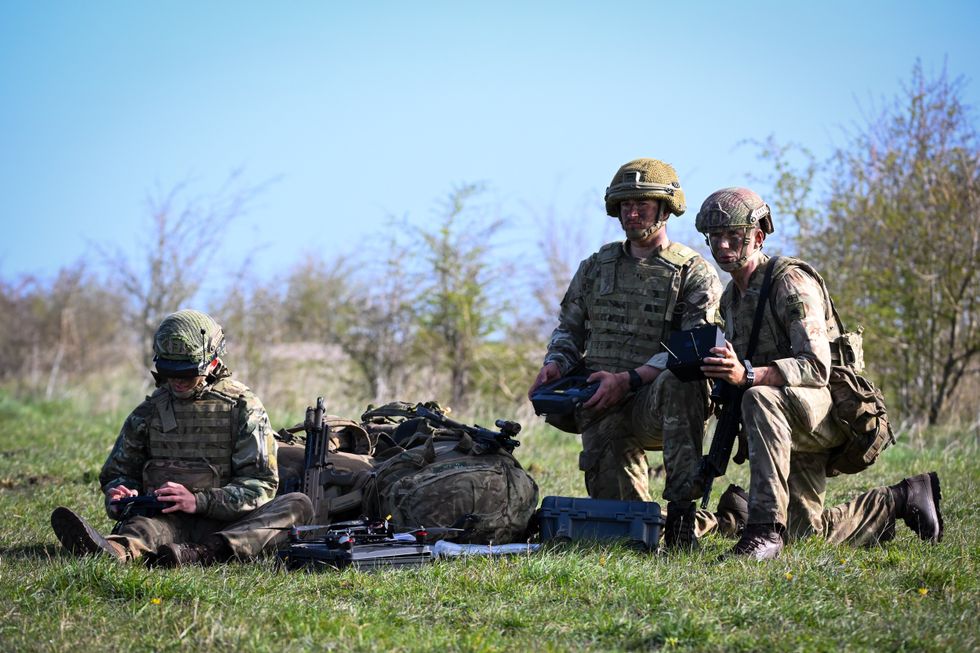
There have been warnings the UK military is facing a £28billion funding gap over the next four years
|GETTY
In the SDR, Lord Robertson, alongside the other authors, General Sir Richard Barrons and Dr Fiona Hill, acknowledged that "words such as 'transformation' have been used before in defence reviews but the intention has seldom been delivered".
They summarised in the review that "'business as usual' is not an option".
The DIP was due to be published last autumn as a follow-up to the SDR.
It was intended to fill the gaps in military investment that the review had uncovered.
However, the DIP has been pushed back on numerous occasions amid growing concerns the military faces a £28billion funding blackhole over the next four years.
This has created a stalemate between the Ministry of Defence, the Treasury and No10, with sources suggesting they cannot agree on how to move forward.
Defence spending last year stood at 2.3 per cent of GDP, roughly £66billion.
The Government is committed to reaching its three per cent target by the end of the next Parliament, moving further to 3.5 per cent by 2035.
Lord Robertson hinted at utilising funds from the UK's "ever-expanding" welfare budget, echoing Tory calls to cut the benefits bill while increasing spending on defence.
However, Sir Keir's previous push to cut welfare spending was dropped last year, following a rebellion from backbench Labour MPs.
Sir Richard, one of the SDR's other authors, agreed with Lord Robertson's sentiments.
He told the BBC: "There's an enormous gap between where we have to be to keep the country safe in the world we now live in and where we actually are."
The SDR said that the UK faces multiple, direct threats for the first time since the Cold War and that a "step change in the threats we face demands a step change in Britain's defence".