







Disability benefits will be slashed, as thousands of people with mental health and mobility problems will be told to work from home.
The plan is part of an attempt to fill gaps in the job market and slash the taxpayer burden for benefits.
The Government said the "huge shift" towards remote working triggered by the Covid pandemic will allow people who struggle to leave their homes to do jobs that previously would have been impossible.
Ministers believe that "safety net rules" - designed for those at risk of suicide - have been used too liberally.
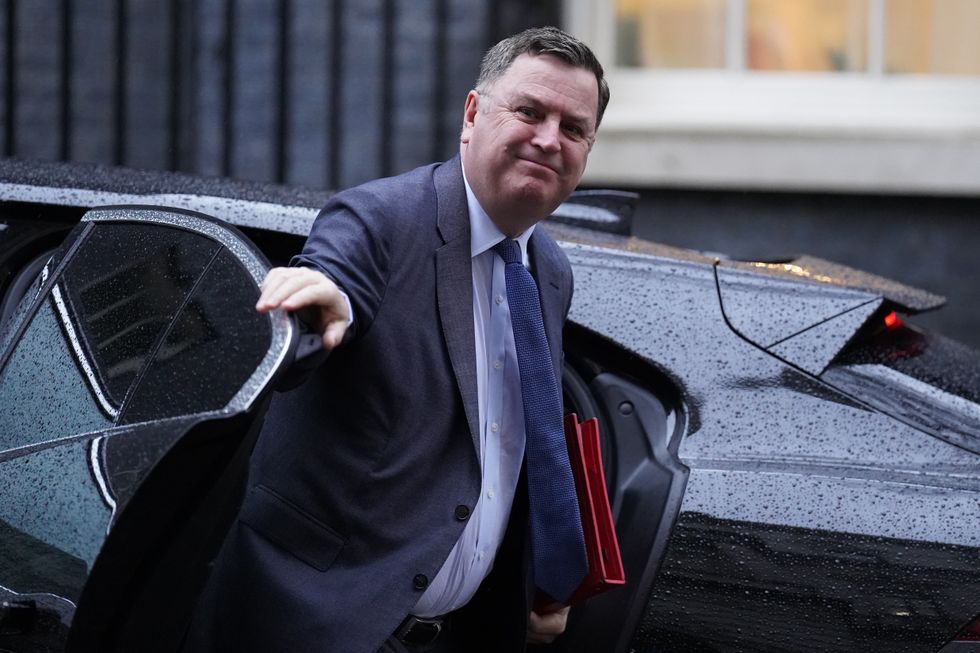
Mel Stride said the reforms will help people 'fulfil their potential' by helping them enter the workforce
|PA
Work and Pensions Secretary Mel Stride said the reforms will help people "fulfil their potential" by helping them enter the workforce, while reducing the burden on the taxpayer.
He also promised to listen to the concerns of those impacted.
The UK is home to 2.4 million poeple recieving incapacity benefits, after the numbers saw a significant rise in the wak of the pandemic.
Meanwhile, there are a million job vacancies in the UK.
However, disability charities have dismissed the changes as a "cynical attempt to reduce benefit payments".
There are 2.4 million people claiming incapacity benefits and a steep rise since the pandemic has alarmed ministers at a time when business has a million vacancies and public finances are so tight, leading to a renewed focus in government on back-to-work initiatives.
Those in reciept of the payment, which judges them too ill to work, are entitled up to £4,680 a year more than those required to look for a job.
Stride has launched a consultation on reforms which would force those with some conditions to look for work in order to recieve benefits payments.
Those targeted by the reforms includes people who cannot move 50 metres without help or are unable to leave the house.
It also includes those who have difficulty with social contact and individuals suffering from incontinence.
The Work and Pensions Secretary promised to provide support to those looking for jobs, rejecting any suggestion that he thought benefits claimants were "on the take".
He said: "I believe that there is essentially a contract between the state and the individual, which is that if people are to be supported and they can work, then it’s right that they should be expected to do so."
Speaking to MPs, he said the changes "will not affect people who are nearing the end of life, or receiving cancer treatment, nor will they affect the majority of activities for those with severe disablement".
He explained that "the rise in flexible and home working has brought new opportunities for disabled people to manage their conditions".
LATEST DEVELOPMENTS:
Stride added: "We’ve seen a huge shift in the world of work in the last few years, a huge change that has accelerated since the pandemic.
"This has opened up more opportunities for disabled people and those with health conditions to start, stay and to succeed in work."