








Justice Secretary David Lammy is examining proposals that would erase childhood criminal records for thousands of individuals across the country.
The Deputy Prime Minister is believed to be eyeing up an overhaul of the existing system to prevent youth convictions from damaging people’s employment opportunities later in life.
Mr Lammy is said to be looking at ways to streamline the process, ensuring background checks remain "proportionate" to the original offence.
"We will consider opportunities to simplify the criminal records regime to ensure it is clear and proportionate, particularly in relation to childhood offences," he said.
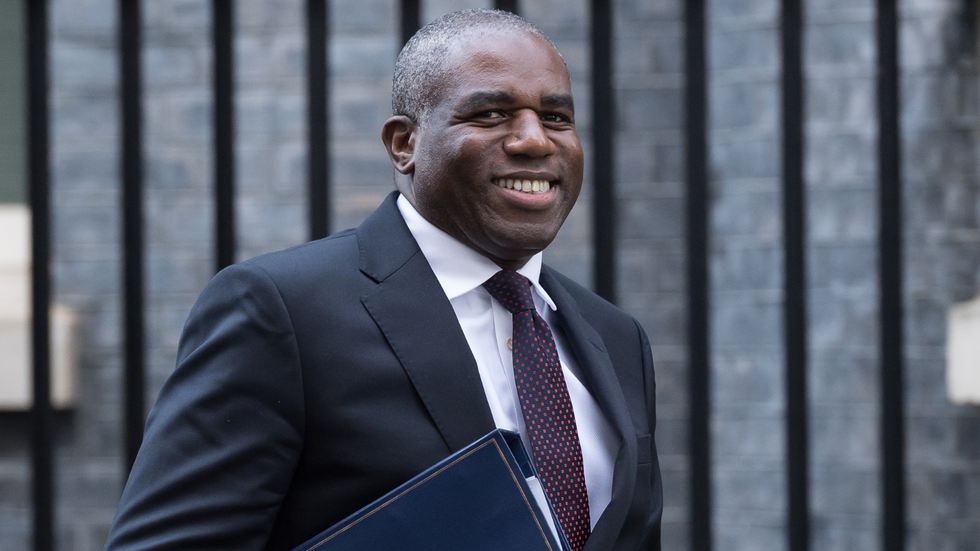
The Deputy Prime Minister is believed to be eyeing up an overhaul of the existing system
|GETTY
The Ministry of Justice said it wants to support young offenders in turning their lives around, adding that the Government is "actively exploring opportunities to simplify the criminal records system, while always putting public safety first".
Freedom of information data reveals approximately 160,000 individuals have had offences committed as children reported to prospective employers through criminal record checks.
Evidence shows people in their 50s, 60s and even 70s are discovering that minor incidents from their youth continue to appear on background checks.
Offences as trivial as travelling on a train without a valid ticket have remained on records for decades, surfacing when employers conduct checks.
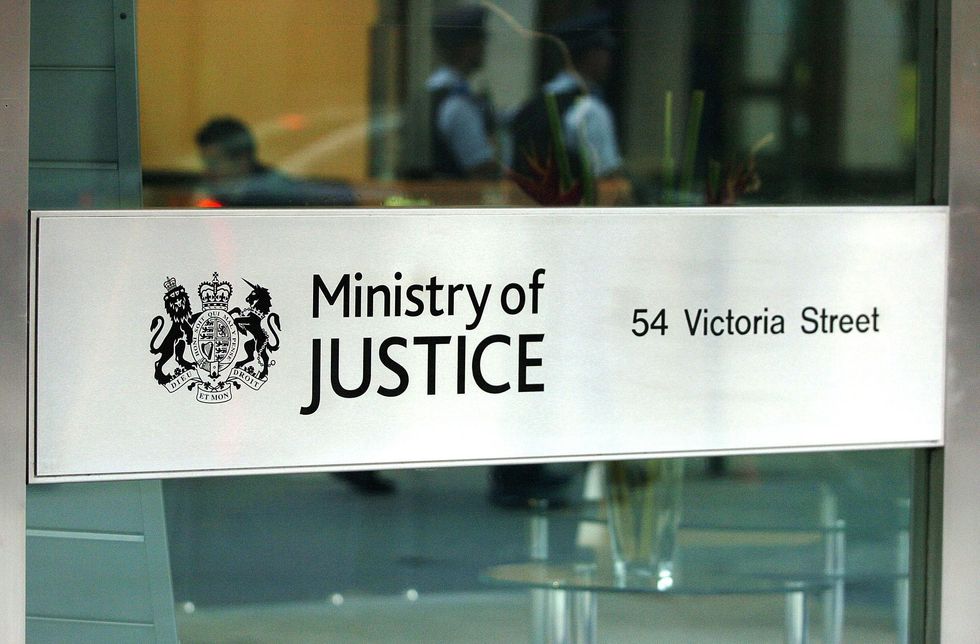
The Ministry of Justice said it wants to support young offenders in turning their lives around
| PAThe Disclosure and Barring Service (DBS) provides these checks for "enhanced" positions involving work with children or vulnerable adults, as well as "standard" professional roles requiring access to sensitive information, spanning sectors from finance and law to taxi driving.
The proposals have attracted criticism regarding where the line should be drawn on more serious childhood offences.
Questions have emerged over whether young people convicted of drug dealing or racially harassing others should eventually have their records cleared.
Under current rules, certain offences including affray, violent disorder, arson and racial harassment must be disclosed to employers indefinitely, regardless of circumstances or age at the time.
LATEST DEVELOPMENTS
Shadow Home Secretary Chris Philp argued that employers deserve access to information about serious past offending by under-18s where relevant.
"There are many crimes so serious that they should always be disclosed," he said.
Penelope Gibbs, director of Transform Justice and part of the FairChecks campaign, described the current system as "unfair" and said it "holds people back from getting work".
"Childhood offences committed decades ago are disclosed on DBS checks even if the person has led a crime-free life for years," she said.

Chris Philp argued that employers deserve access to information about serious past offending
| GETTYChildren's Commissioner Rachel de Souza, following her investigation into youth involvement in last summer's disorder, called for judges to have authority to wipe records clean where young people had "done their time for some very silly things".
Her research found many children involved had ADHD or acted on impulse.
Labour MP and former Royal Marine Fred Thomas said Britain lags behind other nations on the issue.
He said: "The law must acknowledge that people can change, and that past mistakes should not define your future."
Our Standards: The GB News Editorial Charter
More From GB News