

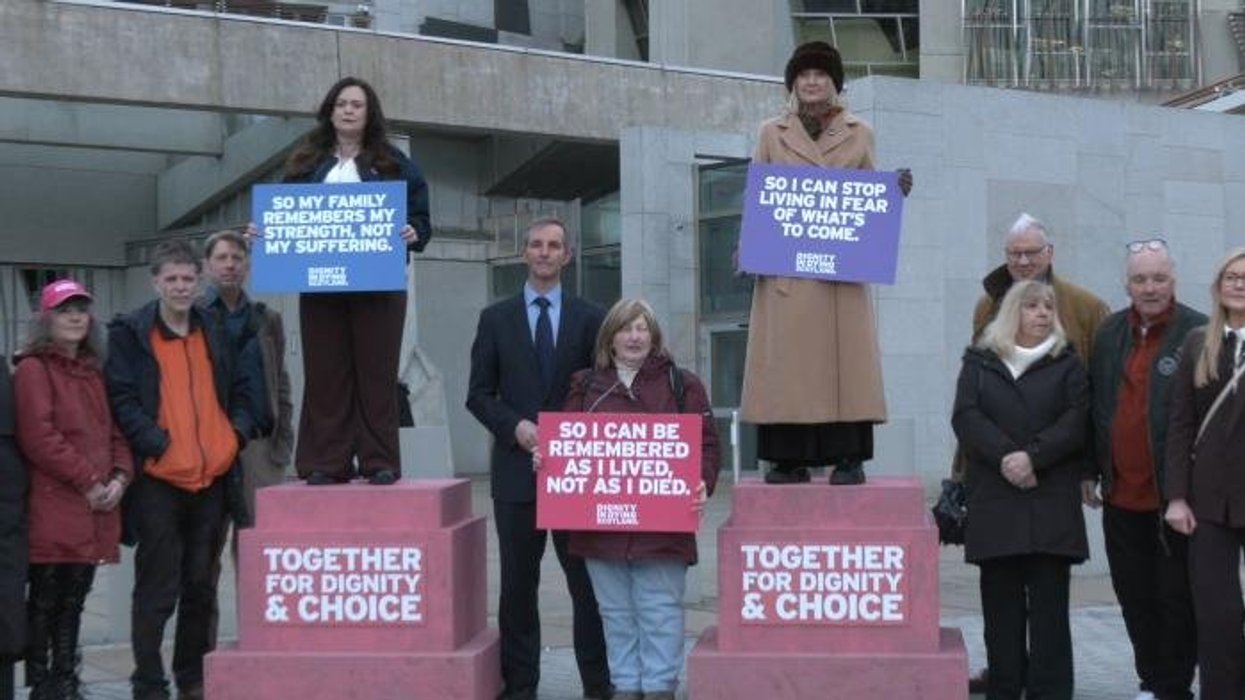








Assisted dying will not become law in England and Wales after the proposed legislation ran out of time in Parliament.
The controversial Terminally Ill Adults (End of Life) Bill, which had been making its way through Parliament for the past year and a half, fell today with peers in the House of Lords speaking passionately on both sides of the argument.
While the Bill had successfully passed two votes in the House of Commons, albeit with a narrower majority on the second occasion, it did not face a vote in the Lords.
The Bill had proposed allowing adults in England and Wales, with fewer than six months to live, to apply for an assisted death subject to the approval of two doctors and an expert panel.
TRENDING
Stories
Videos
Your Say
The Bill had proposed allowing adults in England and Wales, with fewer than six months to live, to apply for an assisted death subject to the approval of two doctors and an expert panel.
More than 1,200 amendments to the Bill had been suggested in the Upper House, with more than 800 of those tabled or sponsored by seven peers.
Lord Charlie Falconer, who had steered it through the upper chamber, saying he felt "despondent" that a piece of legislation which he said was "so important to so many, has not failed on its merits, but failed as a result of procedural wrangling".
The former Justice Secretary under Tony Blair said the Bill had not failed to finish its journey through the Lords due to a lack of time, but rather "because a small minority were not willing to cooperate, as we normally do, to ensure that there can be proportionate debate".
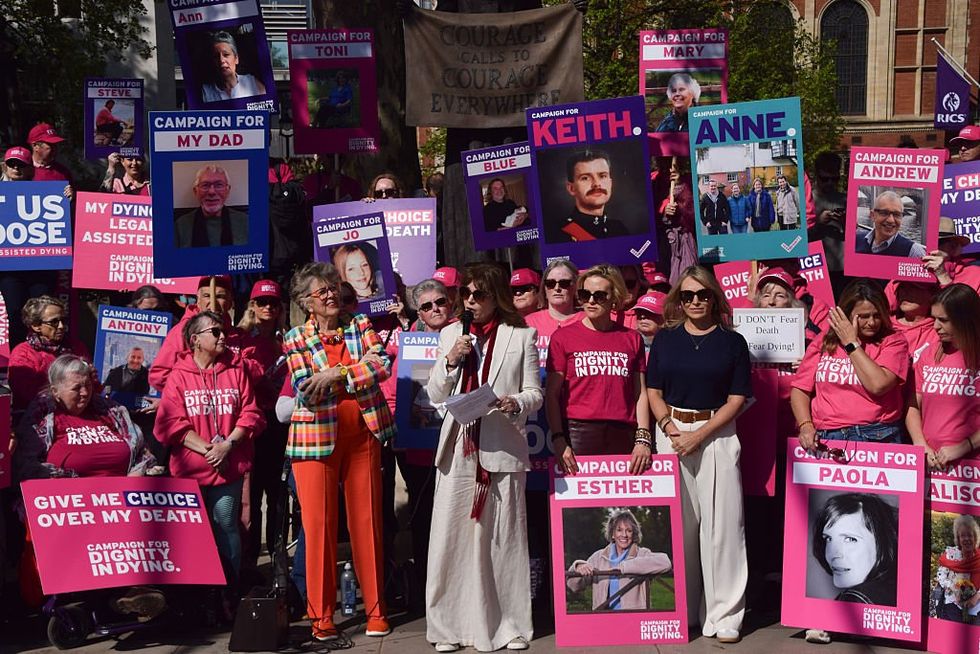
The bill will not become law in England and Wales
|GETTY
Tory former cabinet minister Lord Baker of Dorking accused opponents of the Bill of a "prolonged filibuster", branding the situation a "denial of democracy".
Paralympian Baroness Tanni Grey-Thompson, who had spoken out against the Bill, said it had failed because "there are too many gaps in it" adding that she felt there was "a lot of misunderstanding about what people might get" under a law change.
Those opposed to the Bill have branded it "unsafe and unworkable" and "bad law", citing their concerns around potential coercion of vulnerable people and a lack of safeguards for those with disabilities.
Baroness Campbell of Surbiton, a former commissioner at Britain’s rights watchdog the Equality and Human Rights Commission (EHRC), said disabled people had contacted her to say this "particular Bill frightens them, and they want me to explain to your Lordships why it is dangerous for them".
LATEST DEVELOPMENTS
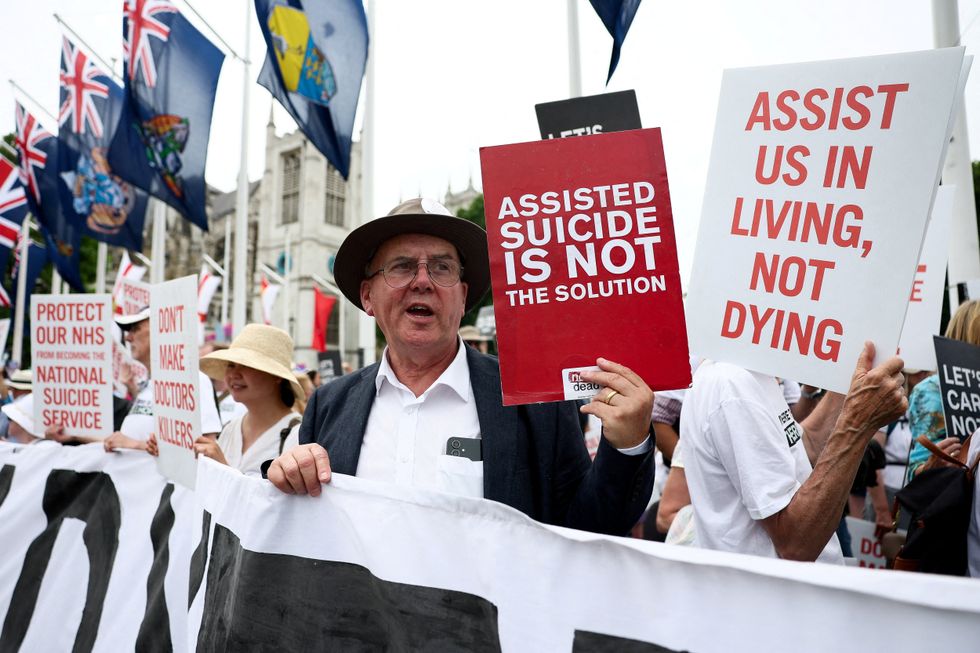
Protests have taken place against the assisted dying law
|REUTERS
The crossbench peer, who has spinal muscular atrophy, and addressed the chamber remotely, said disabled people "fear unequal access to care shaping their choices, they fear subtle coercion that cannot be easily detected".
Former Tory Cabinet minister Baroness Therese Coffey said she feared "that many peers and many MPs are putting choice for some ahead of concern on coercion for others".
Lord Falconer said many terminally ill people and their relatives "who have shown such courage and forbearance" have been "utterly bewildered by the way we (peers) have behaved".
Supporters have vowed to try to bring the Bill back in Parliament’s next session, with its sponsor in the Commons, Labour MP for Spen Valley Kim Leadbeater, who watched proceedings from the gallery on Friday, saying she will again enter her name in the ballot of private members’ bills.
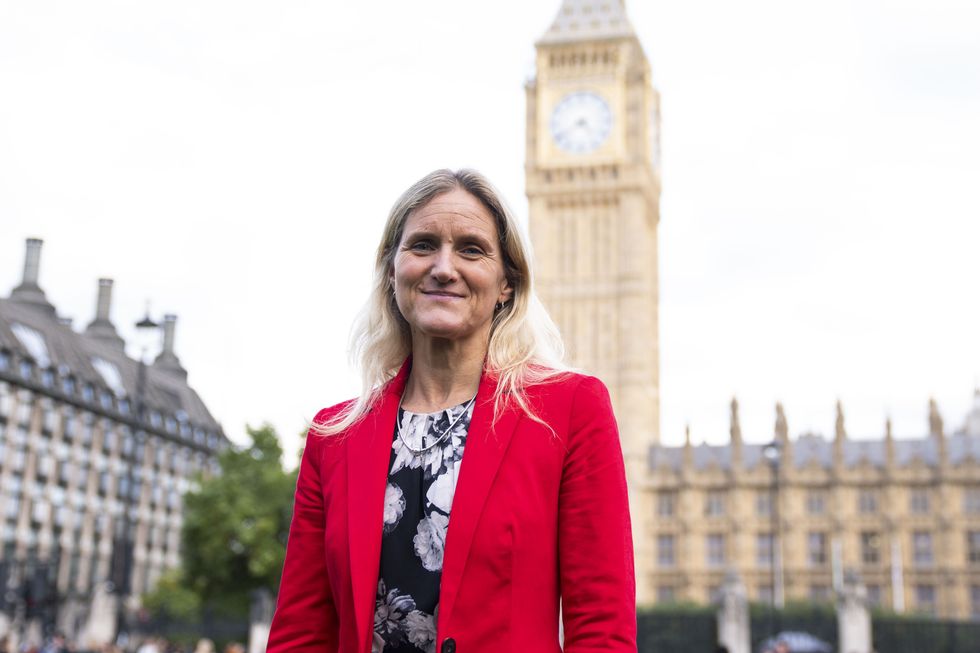
Kim Leadbeater watched the proceedings from the Gallery
| PAAsked by reporters on Friday if the PM was disappointed to see the Bill fall, a Downing Street spokesman said: "He’s spoken about the importance of the Government being neutral on the issue, therefore, explained why he hasn’t spoken on it. As a result, it’s a matter for MPs, it’s a matter for parliamentarians, and that remains the case."
Conservative Leader Kemi Badenoch has said the Bill should not be brought back in the next parliamentary session, describing it as "hopelessly flawed".
Speaking to reporters on a visit to Swindon, she suggested the Government had "used a private members’ Bill to push through its agenda" and said there were "all sorts of problems" with the legislation.
She said "It’s something that Keir Starmer wants to see. He said he made a promise to Esther Rantzen. I think he should focus on the rest of the country."