

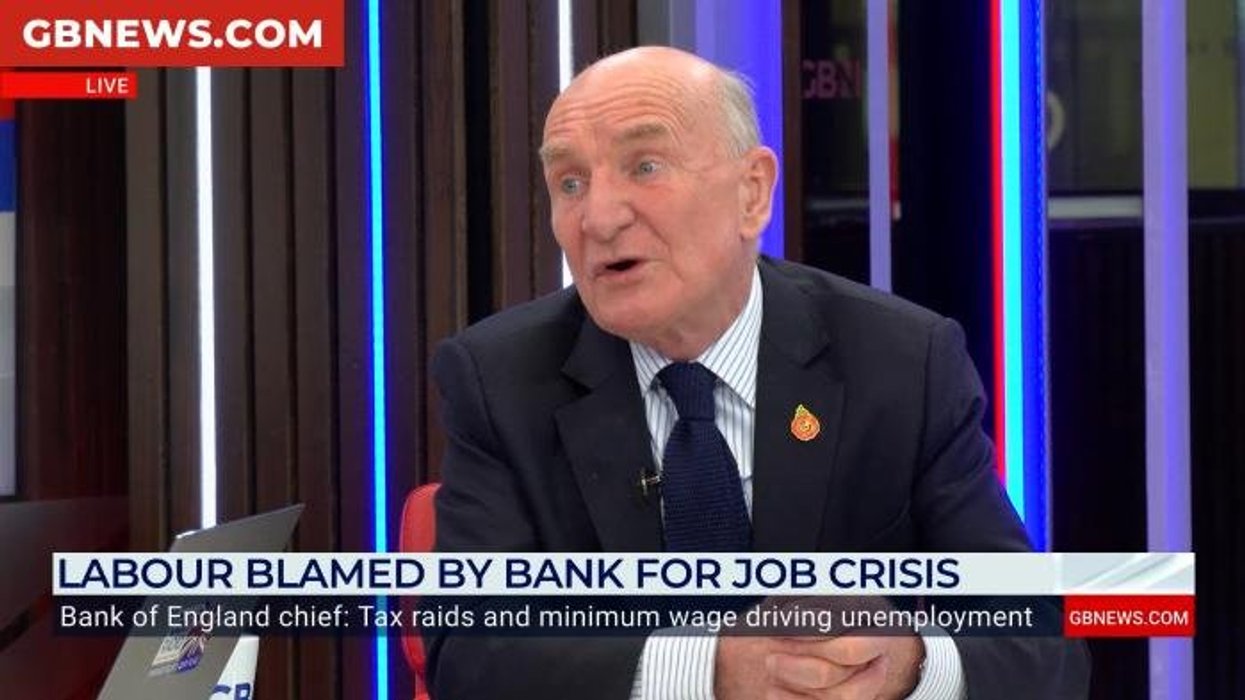









Britain is heading towards a youth employment crisis, and ministers are in danger of causing it. Employment reforms coming into force from 1 April may be well-intentioned, but retailers are warning that they could wipe out exactly the kind of flexible, entry-level work that gives young people their first foothold in the labour market.
This is not alarmism from Business111.com alone. The British Retail Consortium has already urged the government to think again before these measures do serious damage to the younger workforce.
Monsoon’s chief executive has warned that the reforms risk reducing flexibility over working hours and driving up the cost of hiring.
That concern is already being echoed across small and micro businesses, where margins are thin, and every additional employment cost has consequences.
Young people do not all want rigid, fixed-hour contracts. Many need jobs that fit around study, caring responsibilities or other part-time work. Flexibility is not a loophole or an exploitative trick.
For many, it is the only reason they can work at all. The BRC’s own research shows that seven in ten workers aged 18 to 29 value flexibility in the workplace. Remove that flexibility, and you do not create better jobs. You simply create fewer of them.
That should set alarm bells ringing. Around 750,000 young people work in retail, making up more than a quarter of the sector’s workforce.
Retail is one of the country’s most important gateways into employment. Hospitality plays a similarly vital role and is already being battered by higher wage costs, tax pressures and punishing business rates.
These are the sectors that have traditionally absorbed young workers, trained them and given them the basic habits of work. If government policy makes those sectors too expensive or too risky to hire in, the consequences will be profound.

Britain is heading towards a youth employment crisis entirely of ministers' making - Liz Barclay
|Getty Images
And the timing could hardly be worse. Artificial intelligence is already beginning to hollow out entry-level roles that once acted as stepping stones for school leavers and students.
At the same time, the number of young people not in education, employment or training is approaching one million. Against that background, making it harder for businesses to offer flexible first jobs is not social justice. It is economic self-harm.
This is not a temporary blip that will simply correct itself when growth returns. Once businesses restructure around fewer staff, more automation and tighter recruitment, many of those jobs will not come back.
If small employers are forced to cut hours, delay recruitment or avoid taking on inexperienced staff altogether, a whole cohort of young people will lose their route into work. That damage will last long after the political slogans have faded.
The reforms include measures such as guaranteed hours and tighter restrictions on fire-and-rehire practices. No decent employer wants to treat people unfairly.
Most small business owners support the principle of higher standards and better protections.
But they are also frightened by the cost, the complexity and the legal uncertainty. They know that if employing someone becomes unaffordable or inflexible, they will not take the risk. That is the brutal reality ministers seem unwilling to face.
The Government is right to want fairer work. But fairness cannot mean destroying the local, flexible jobs that so many young people depend on.
And it cannot mean pushing small and micro businesses, the very firms that create those opportunities, towards fewer hires, fewer hours and more caution.
If ministers do not rethink the practical impact of these reforms, they will not be expanding opportunity. They will be shutting the door on a generation.
Our Standards: The GB News Editorial Charter